



Preparing for extended air travel requires smart planning and comfort-focused choices to ensure a highly pleasant journey. Travelers should prioritize hydration, movement, and rest to arrive feeling refreshed rather than completely exhausted upon landing. Selecting the right seat and packing essential items can transform a tiring ordeal into a much more manageable experience. These specific strategies help you endure long distances with minimal discomfort and maximum relaxation throughout your entire trip.
Choose the right seat
Choosing the right seat significantly impacts your comfort during extended air travel and directly affects your ability to rest well. Aisle seats offer easy access to walk around and stretch your legs frequently without disturbing other passengers nearby. Window seats provide a stable surface to lean against and minimize disturbances from passing travelers walking in the aisle. Avoiding middle seats prevents feeling trapped between strangers for many hours during the long journey across the ocean.
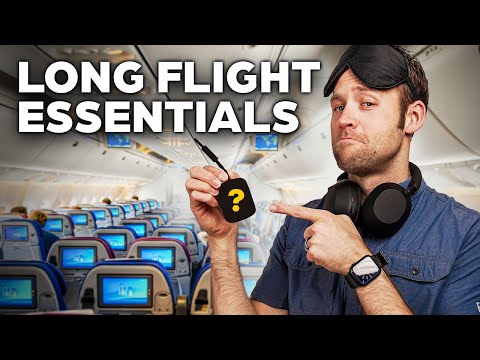
Reclining space matters greatly when you need to sleep or rest comfortably during the overnight flight. Bulkhead seats usually offer extra legroom, making them ideal for tall travelers seeking additional room to stretch out. However, these positions often lack under-seat storage for your carry-on luggage and personal belongings throughout the trip. Checking seat maps before booking ensures you secure the best available position for your specific physical needs and preferences.

Proximity to lavatories affects your sleep quality and overall peace during the nighttime hours on the aircraft. Seats near galleys might experience noise and light disturbances throughout the night when the cabin lights remain dim. Front rows typically avoid engine sounds, providing a quieter environment for relaxation and uninterrupted sleep during the flight. Evaluating these factors before departure guarantees a much better travel experience from takeoff to landing without unnecessary stress.
Pack smart clothing and essentials
Packing appropriate clothing makes a substantial difference in how you feel after hours in a confined cabin space. Loose-fitting layers allow your body to adjust to changing cabin temperatures without feeling restricted or uncomfortable during the trip. Breathable fabrics like cotton or merino wool prevent overheating and excessive sweating during the flight across different climates. Avoid tight waistbands or restrictive socks that could cause swelling in your extremities and reduce circulation during the journey.
Essential travel items deserve a dedicated place in your carry-on bag
Compression socks improve blood circulation and reduce the risk of deep vein thrombosis during long trips across the world. Earplugs or noise-canceling headphones block out disruptive engine hums and crying infants effectively throughout the entire flight duration. An eye mask creates darkness for sleep even when cabin lights remain bright throughout the overnight journey on the plane. These small additions significantly enhance your overall comfort and rest quality while you are flying at high altitudes.
Hydration is critical because cabin air holds very little moisture compared to ground level and dry desert climates. Drinking plenty of water before and during the flight combats dehydration and dry skin that often causes irritation. Avoid alcohol and caffeine since they accelerate fluid loss and disrupt sleep patterns while you are resting on the plane. Carrying a reusable water bottle lets you refill easily after security checks and maintain optimal hydration throughout the trip.
Manage nutrition and movement
Managing nutrition and movement prevents stiffness and digestive issues during extended air travel across multiple time zones today. Eating light meals reduces feelings of sluggishness and bloating while flying at high altitudes during the long journey. Walking down the aisle periodically stimulates blood flow and relieves pressure on your lower back and joints. Stretching your calves and ankles while seated maintains flexibility and prevents painful cramping during long hours of sitting.
- Drink water consistently instead of sugary drinks or alcohol.
- Walk the aisle every hour to stretch your legs.
- Eat light snacks like nuts or fruits rather than heavy meals.
- Perform seated neck rolls and shoulder shrugs frequently.
- Avoid crossing your legs to maintain proper circulation.
- Use moisturizer to combat dry cabin air on your skin.
Selecting the right snacks keeps your energy stable without causing discomfort or heavy feelings during the flight. Heavy, greasy foods often lead to heartburn and indigestion in the pressurized cabins at high altitudes on the plane. Fresh fruits and vegetables provide natural vitamins without excessive sodium or sugar that drains your energy quickly. Packing your own meals ensures you have healthy options available when airline food fails to satisfy your hunger completely.

Regular movement is essential for maintaining physical comfort over many hours while sitting in a confined cabin space. Simple exercises like ankle circles and knee lifts can be done easily in your seat during the flight. These minor actions help prevent blood clots and reduce swelling in your feet throughout the entire long overnight flight. Staying active throughout the journey makes arriving at your destination feel much easier and significantly less physically exhausting.
Entertain yourself for hours
Keeping entertained prevents boredom and restlessness during lengthy flights across multiple time zones without needing internet access. Downloading movies, podcasts, or books onto your device ensures access without relying on spotty Wi-Fi during the trip. Charging all electronics fully before departure avoids unexpected power loss during critical moments of your long travel journey. Carrying a portable power bank provides a reliable backup source for extended travel days and long overnight flights.
Offline entertainment saves data and guarantees continuous enjoyment
Playing games or reading physical books offers a welcome break from screen fatigue and eye strain during travel. Puzzle apps challenge your mind without requiring an internet connection or cellular data usage while you are flying overseas. Listening to calming music or audiobooks helps relax your nervous system before sleep during the long overnight flight. Variety in your entertainment choices prevents mental exhaustion from consuming the same type of content throughout the journey.
Creating a personalized playlist sets the tone for relaxation or focus as needed during the long overnight flight. Upbeat tracks boost your mood during daytime takeoffs and early arrivals at your final destination across the ocean. Soothing melodies encourage deeper sleep when the cabin lights dim for the night during the long overnight flight. Having diverse options readily available transforms tedious hours into a pleasant part of the overall travel experience.
Compare seat comfort options
Comparing seat comfort options helps you choose the best arrangement for your specific body type and travel preferences. Different cabin classes offer varying levels of space and recline for resting during the trip across the ocean. Economy seats often lack padding and legroom compared to premium alternatives available for an extra fee during the flight. Understanding these differences allows you to select a position that supports your spine and posture throughout the long journey.
| Seat Type | Legroom | Recline | Best For |
|---|---|---|---|
| Economy | Limited | Minimal | Short trips |
| Premium Economy | Extra | Moderate | Comfort seekers |
| Business | Generous | Full | Sleeping |
| First Class | Maximum | Flat | Luxury travel |
Investing in an aisle seat provides freedom to move without disturbing fellow passengers during the long overnight flight. Window seats offer a view and a solid backrest for leaning against during sleep throughout the entire journey. Middle seats should be avoided whenever possible due to restricted access and shared armrests that limit your comfort. Selecting the right spot makes a significant difference in your overall physical well-being and ability to rest properly.
Cushions and neck pillows add instant comfort to otherwise hard and unyielding surfaces during the long overnight flight. Memory foam options conform to your neck shape and provide superior support for resting during the long flight. Bringing your own blanket ensures warmth and hygiene compared to airline-provided fabrics that may feel unclean and uncomfortable. These small additions create a personal sanctuary within the crowded cabin environment and improve your overall sleep quality.
Sleep well during the journey
Sleeping well during the journey requires adjusting your internal clock to the destination time zone before you board. Avoiding screens before bed reduces blue light exposure that disrupts natural melatonin production and your normal sleep cycles. Using earplugs and an eye mask blocks out cabin noise and harsh lighting effectively during the overnight flight. Choosing a comfortable outfit helps your body relax and prepare for restorative sleep throughout the entire journey.
Adjusting your sleep schedule before departure improves overnight rest quality
Shifting your bedtime gradually helps your body adapt to the new time zone ahead of the long flight. Melatonin supplements can assist with resetting your circadian rhythm when traveling across continents during the long overnight journey. Avoiding heavy meals right before sleep prevents digestive discomfort that interrupts deep rest cycles and your overall relaxation. Keeping the window shade open during daytime flights signals your brain to stay awake and alert throughout the trip.
Waking up periodically to stretch prevents stiffness and promotes better blood circulation throughout the entire long overnight flight. Setting an alarm ensures you do not miss important announcements or meal services during the long overnight flight. Drinking herbal tea like chamomile encourages relaxation without the dehydrating effects of caffeine during the long flight. Prioritizing sleep transforms a long flight into a chance to arrive fully refreshed and ready for the trip.
Frequently asked questions
How can I reduce jet lag after landing?
Adjusting your watch to the destination time immediately upon boarding helps align your mindset with the new schedule. Exposing yourself to natural sunlight upon arrival resets your internal body clock quickly and effectively during the daytime. Avoiding long naps upon landing ensures your body stays awake until the local bedtime arrives in the evening. Drinking plenty of water throughout the flight combats fatigue and supports your energy levels during the entire journey.
What should I eat before a long flight?
Eating a balanced meal with lean protein and complex carbohydrates provides sustained energy throughout the entire long flight. Avoiding greasy or spicy foods prevents stomach upset during the pressurized cabin environment at high altitudes on the plane. Fresh fruits and vegetables offer hydration and essential vitamins without causing heaviness or discomfort in your stomach. Consuming a light snack before boarding keeps hunger at bay without feeling overly full or sluggish during the flight.
Is it safe to wear compression socks during the flight?
Compression socks are generally safe and highly recommended for improving blood circulation in your legs during the flight. They apply gentle pressure to your lower limbs, reducing swelling and discomfort throughout the entire long overnight journey. People with existing circulatory issues should consult a doctor before wearing them during the long flight across oceans. Ensuring the correct fit prevents any restriction of blood flow and maintains proper circulation during the entire flight.
How often should I walk around the cabin?
Walking around the cabin every one to two hours promotes healthy blood flow and circulation in your legs. Regular movement reduces the risk of developing blood clots in your legs during the entire long overnight flight. Even small stretches at your seat help maintain flexibility and prevent stiffness throughout the entire long flight ahead. Setting a reminder on your phone ensures you stay active throughout the flight and arrive feeling completely refreshed.
What documents do I need for international travel?
A valid passport with at least six months of remaining validity is usually required for international air travel. Checking visa requirements for your destination country prevents unexpected issues at immigration and border control during the trip. Keeping digital copies of your travel documents adds a layer of security in case of loss or theft. Verifying entry rules well in advance saves time and avoids last-minute travel complications before you board the plane.
Following these strategies ensures a much more pleasant experience when traveling across the globe and visiting new places. Prioritizing comfort and health allows you to arrive ready to enjoy your trip and explore the local area. Taking care of your body during the journey makes every hour in the air manageable and significantly less stressful. Safe travels and enjoy your upcoming adventure without worrying about discomfort or exhaustion during the long flight ahead.