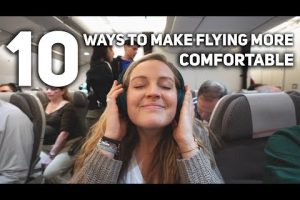



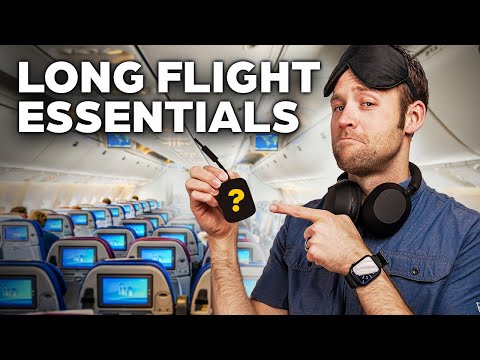
Long flights test your patience and body in equal measure. Staying comfortable requires planning ahead and bringing the right items. You need strategies that work for both day and night travel. These methods help you arrive refreshed and ready for your destination.
Pack smart carry-on essentials
Packing light starts with choosing versatile clothing items that layer well in varying cabin temperatures throughout your journey, following the best tips for long flights that experienced travelers recommend. A comfortable hoodie, stretch pants, and slip-on shoes make sitting for hours much more bearable and enjoyable. Remember to include a supportive neck pillow and a soft eye mask for extra comfort during sleep. These basics transform any airplane seat into a restful space where you can relax.
Toiletries and wellness products deserve priority space in your carry-on bag for long journeys and extended travel. Moisturizing face wipes, lip balm, and hand sanitizer keep you feeling fresh when dry cabin air affects your skin significantly during the trip. Earplugs or noise-canceling headphones block engine noise and crying babies quite effectively without disturbing nearby passengers. A small toiletry kit saves time and prevents forgotten essentials at security checkpoints every traveler should know before departure.
Organization makes a huge difference when you need items quickly during the flight without unpacking everything at once. Use packing cubes or zippered pouches to separate electronics, documents, and snacks into accessible categories for easy retrieval during travel. Keep your passport and boarding pass in an easy-reach pocket for smooth transitions between security checkpoints and boarding gates. A well-organized bag reduces stress and lets you focus on enjoying the trip rather than searching for belongings.

Choose the right seat
Choosing the right seat affects your comfort and ability to sleep or stretch during the journey. Window seats offer wall support for resting your head and less foot traffic from passing passengers. Aisle seats provide easier bathroom access and more legroom when the passenger in front reclines. Exit rows and bulkhead seats give extra legroom but may limit under-seat storage space.
Seat preferences depend on your personal needs and the aircraft type you will board for long travel. Families with small children often prefer bulkhead seats for extra space and proximity to lavatories during overnight journeys. Tall travelers should consider exit rows, while those wanting to sleep may choose window seats away from high-traffic areas. Booking early usually secures better seat options before the plane fills up completely and availability diminishes.

Avoiding middle seats
Middle seats offer the least desirable experience for most travelers on extended journeys and overnight trips. You get armrest access on both sides but lose the freedom to lean against a wall or aisle. Window and aisle seats generally provide better sleep positions and easier bathroom trips without disturbing neighbors. Always check seat maps before booking to secure your preferred location.
Entertainment and hydration
Staying entertained prevents boredom from setting in during hours of sitting in a confined cabin space. Download movies, series, and podcasts before departure since Wi-Fi connections often fail or charge extra fees. Books, magazines, and games provide offline distraction without relying on battery-draining streaming services. Variety keeps your mind engaged and makes time pass much faster than watching the same scenery.
- Download content before you leave home for offline viewing
- Bring a portable charger to keep devices powered all day
- Pack headphones with good noise isolation for clear audio
- Choose a mix of genres to avoid monotony mid-flight
- Save one movie for the overnight portion of travel
- Include crossword puzzles or games that work without internet
Hydration matters more than most travelers realize because cabin humidity stays extremely low at high altitudes during the flight. Drink water regularly instead of relying on coffee or alcohol that dehydrate your body further and cause fatigue. Moisturized skin feels more comfortable and reduces the risk of dryness or irritation during long hours of sitting. Carry an empty bottle through security and fill it after passing checkpoints for easy access throughout the journey.
Movement and stretching complement entertainment by keeping your blood flowing properly throughout the entire flight duration and journey. Stand up and walk the aisle every few hours to prevent stiffness and deep vein concerns effectively while seated. Simple ankle rolls and shoulder shrugs help maintain circulation while seated comfortably in your chair for long periods. Regular motion reduces swelling in your legs and keeps you feeling alert upon arrival at your destination.
Sleep strategies for overnight journeys
Sleep strategies for overnight journeys begin with adjusting your watch to the destination time zone immediately. Avoid heavy meals and excessive caffeine several hours before you plan to rest your body. Use a supportive neck pillow and loose clothing that does not restrict movement or blood flow. Dimming screens and lowering overhead lights signal your brain that it is time to sleep.
Creating a bedtime routine in the air helps your mind recognize when rest should begin naturally. Warm socks, earplugs, and an eye mask block sensory distractions that keep you awake during turbulence. Avoid checking work emails or news updates that increase stress hormones and delay sleep onset. A consistent pre-sleep ritual trains your body to rest even in unfamiliar surroundings.
Managing sleep disruptions
Managing sleep disruptions requires accepting that noise and movement will interrupt your rest at various points throughout the night. Do not stress over waking periods because brief interruptions are normal during overnight travel on long flights. Use deep breathing or meditation techniques to fall back asleep quickly after disturbances pass and settle down. Keep water nearby to sip instead of fully waking for drinks that require getting up and moving around.
Health and movement tips
Health and movement tips focus on preventing stiffness and circulation problems during extended periods of sitting in your seat. Flex your ankles, rotate your wrists, and stretch your neck every thirty minutes while remaining seated. Walking the cabin every two hours reduces swelling in your feet and lowers clot risks significantly during travel. These small actions protect your body from the negative effects of prolonged immobility on long journeys.
| Activity | Frequency | Benefit | Duration |
|---|---|---|---|
| Walk cabin | Every 2 hours | Improves circulation | 5 minutes |
| Ankle circles | Every 30 min | Prevents stiffness | 1 minute |
| Neck stretches | Every hour | Reduces tension | 2 minutes |
Hydration supports every health strategy by keeping your mucous membranes moist and your energy stable throughout the entire journey. Avoid salty snacks that cause water retention and bloating during the flight experience at high altitudes and low humidity. Fresh fruit and nuts provide better nutrition than processed airline meals high in sodium content and preservatives. Eating light meals prevents lethargy and helps you maintain comfort throughout the long journey without feeling heavy.
Breathing exercises offer another simple method to support your body during long hours spent in the air at high altitude. Deep inhales through your nose followed by slow exhales reduce anxiety and improve oxygen flow naturally throughout the journey. Practice this technique during takeoff and landing to ease pressure changes in your ears safely and comfortably. Calm breathing lowers heart rate and prepares you for arrival at your destination feeling refreshed and ready.
Arrival and recovery
Arrival and recovery begin before you land by setting your phone to the local time zone ahead. Avoid long naps upon reaching your destination if you arrived during daylight hours at your location. Walk around the terminal and stretch your legs before collecting bags from the carousel area. Fresh air and gentle movement reset your internal clock faster than staying indoors.
Eating light meals aligned with local meal times helps your body adjust to the new schedule quickly. Skip heavy restaurant dinners on your first night and choose something simple that digests easily. Stay awake until a reasonable local bedtime even if you feel tired from the journey. Sunlight exposure during the day reinforces your circadian rhythm and promotes better sleep that night.
Resetting your rhythm

Resetting your rhythm takes patience because your body needs time to fully adapt to the new time zone. Avoid alcohol and caffeine during the first twenty-four hours as they disrupt sleep patterns further and delay adjustment. Short walks outside in natural light help your brain understand when to be alert and when to rest properly. Consistent routines over several days establish your new schedule and reduce jet lag effects effectively during travel.
Frequently asked questions
What should I wear on a long flight?
Wear loose, breathable layers that you can easily remove or add as cabin temperatures change throughout the journey. Soft fabrics like cotton or modal prevent skin irritation during hours of sitting in one position without discomfort. Comfortable shoes without tight seams reduce swelling in your feet and ankles during the long flight. Avoid heavy denim or restrictive clothing that limits circulation and causes discomfort over time during travel.
How often should I walk during a flight?
Walk through the cabin every two hours to maintain healthy circulation and prevent stiffness in your legs effectively. Even short stretches at your seat help blood flow when aisle access is limited by turbulence or seatmates nearby. Set a timer on your phone to remind yourself to move instead of staying seated for the entire trip. Regular movement reduces the risk of blood clots and keeps you feeling more alert throughout the journey.
Can I bring my own food on board?
Most airlines allow solid foods in your carry-on bag through security checkpoints without any special restrictions or rules. Avoid smelly items like sandwiches with strong sauces that may disturb nearby passengers during the flight experience. Fresh fruit, nuts, and protein bars provide energy without relying on expensive airport or airline meal options. Check your specific carrier rules for liquids if you want to bring soup or yogurt on board.
What helps you sleep on an airplane?
A supportive neck pillow and an eye mask create a dark quiet space that signals your brain to rest. Noise-canceling headphones or earplugs block engine hum and passenger conversations that disrupt sleep cycles during the flight. Avoid screens for at least thirty minutes before trying to sleep to let your mind wind down naturally. Keep your seatbelt visible above blankets in case crew members need to check it during turbulence.
How do I fight jet lag effectively?
Adjust your watch to the destination time zone immediately upon boarding the plane for your long journey. Seek sunlight exposure during daytime hours at your destination to reset your internal clock naturally. Avoid long naps exceeding two hours if you arrive during the morning or afternoon at your location. Drink plenty of water and eat light meals aligned with local schedules to support your body adjustment.
Following these strategies turns a long flight from a miserable ordeal into a manageable part of your travel experience overall. Rest, movement, and preparation work together to keep you comfortable from departure to arrival at your destination. Small changes to your routine make a significant difference in how you feel when you reach your final stop. Safe travels and enjoy the journey ahead with confidence and comfort.