


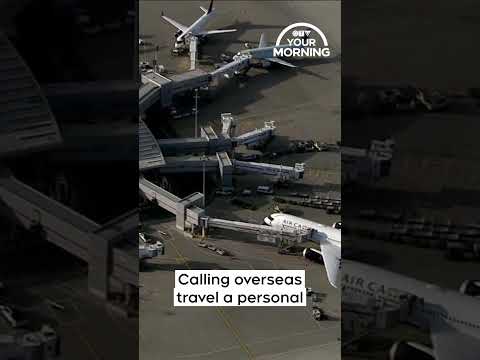
Individuals planning trips between the two nations need to check current rules before departure today. Border officials review documentation and health criteria regularly to ensure public safety across both regions. Staying informed prevents delays and denied entry at ports of entry for international travelers. Always verify requirements shortly before traveling to avoid unexpected complications and delays.
Current border crossing rules
Current border crossing rules require travelers to present valid passports and proof of citizenship before arriving at the checkpoint. Officers may ask about your visit purpose and duration at the port of entry without any exception or delay. COVID restrictions have largely ended, but health screenings still occur occasionally at major international airports across the region. You must declare all goods and currency exceeding strict limits. Always carry supporting documents to expedite the process.
Travelers from both countries should review entry requirements well in advance of their planned departure date. Visa policies depend heavily on your nationality and the specific reason for crossing the border between the two nations. Some individuals may qualify for visa-free travel under existing agreements between the governments. Checking official government websites provides the most accurate and up-to-date information for your specific situation and travel plans.
Documentation requirements vary depending on whether you are driving, flying, or taking a train across the international boundary. Minors often need additional paperwork, such as consent letters from both parents or guardians before crossing. Keep digital copies of all important records in case you lose the physical versions during your journey. Proper preparation reduces stress and helps ensure a smooth journey through customs without unnecessary delays.
Entry document requirements
Entry document requirements dictate exactly what papers you must carry when crossing the international border between the two nations. Passports remain the primary identification for air travel, while land crossings accept various approved documents for entry. NEXUS cards offer trusted travelers faster processing at dedicated lanes during peak hours. You should verify expiration dates well before your scheduled trip.
Required travel documents
Required travel documents include a valid passport, NEXUS card, or enhanced driver’s license for land travel between the two countries. Diplomatic and official passport holders follow different procedures based on bilateral agreements between the governments. Some nationalities require temporary resident visas even for short visits to either nation. Always check the specific requirements for your passport type before packing for the trip. Having the correct documents prevents delays at the border crossing and ensures smooth entry.
Health and vaccination records are no longer mandatory for most travelers entering either country by air or land. However, you should check for any temporary changes before your departure date. Airlines sometimes request additional paperwork even if it is not officially required by the authorities. Keeping your medical records accessible provides peace of mind during your journey. Always review the latest guidelines from official government sources for accurate information.
Border wait times
Border wait times fluctuate significantly depending on the season, location, and time of day you arrive at the crossing point. Major crossings often experience heavy traffic during holiday weekends and summer vacations for travelers from both nations. Checking real-time updates helps you choose the best route and avoid long delays at the border. Early morning or late evening usually offers shorter queues for vehicles.
Several factors influence how long you will wait at the border inspection area for processing vehicles and travelers. Vehicle type, traveler age, and declared goods all impact processing speed for officials at the checkpoint. Officers must verify identities and check for prohibited items before granting entry into either country. High-risk alerts or prior violations may trigger additional secondary inspections. Being honest and prepared speeds up the entire customs clearance process significantly.
Knowing the busiest crossing points allows you to select alternative routes when primary borders are heavily congested. Remote crossings often have shorter wait times but may lack services or facilities for travelers. Weather conditions can also cause unexpected delays, especially during winter months along the northern border. Planning your route with backup options ensures a more predictable travel experience. Adjust your schedule if you notice unusually long queues ahead of time.
- Check real-time border wait apps before leaving
- Avoid crossing during major holiday weekends
- Use remote crossings for shorter queues
- Prepare your documents before reaching the booth
- Declare all goods honestly to avoid delays
- Travel during off-peak hours for faster processing
Visa and entry rules
Visa and entry rules determine whether you need prior authorization before arriving at the border between the two nations. Citizens of certain countries must obtain an Electronic System for Travel Authorization or visitor visa for entry. The application process requires personal information and a valid passport from the applicant. Officials assess eligibility based on security and immigration history and prior violations.
Authorization and visa types
Authorization and visa types vary based on your nationality and the purpose of your visit to the other country. Tourist visits typically allow stays of up to six months without a formal visa for eligible nationals. Business travelers may need different documentation depending on their planned activities at the destination. Students require acceptance letters from designated learning institutions. Always confirm your specific category with the embassy before departure.
Overstaying your permitted duration can lead to serious consequences for future border crossings between the two nations. Immigration officers track your entry and exit dates through official records without exception. If you remain beyond your authorized period, you may face removal orders from the authorities. Re-entering the country becomes much more difficult after a violation. Always depart before your allowed stay expires to maintain good standing.

Travel restrictions comparison
Travel restrictions comparison helps you understand the differences between crossing from Canada to the United States by air or land. Both nations have lifted most pandemic-era entry bans for travelers entering the country. However, specific rules still apply to certain goods and agricultural products at the border. You must declare items like fruits, meat, and alcohol. Ignoring these rules can result in fines or confiscation by officers.

Understanding currency regulations prevents issues when moving money across the international boundary between the two nations. You must declare cash amounts exceeding ten thousand dollars to customs officials without exception. Failure to report large sums can lead to seizure or legal trouble from authorities. Banks offer better exchange rates than airport kiosks for travelers. Notify your financial institution about your travel plans to avoid card blocks.
Prohibited and restricted items vary slightly between the two countries regarding food and plants crossing the border. Fresh fruits, vegetables, and meat products often require inspection or are banned entirely by officials. Firearms and weapons face strict regulations and require proper permits for transport between the nations. Alcohol and tobacco have personal use limits that you must not exceed. Familiarize yourself with both sets of rules before packing your luggage.
| Category | Canada to US | US to Canada | Notes |
|---|---|---|---|
| Passport | Required | Required | Must be valid |
| Visa | Depends on nationality | Depends on nationality | Check official sites |
| Goods | Declare all | Declare all | Fines for undeclared |
Driving and transportation rules
Driving and transportation rules dictate how you can move between Canada and the United States by car safely. Vehicle insurance must cover you in both countries before you cross the border without any exception. Rental agreements often require additional permissions for cross-border travel between the two nations. Speed limits and traffic laws differ between provinces and states across the region. Always carry proof of insurance and vehicle registration.
Vehicle preparation tips
Vehicle preparation tips include checking tire pressure and fluid levels before a long drive across the border. Ensure your registration and insurance documents are easily accessible for inspection by officials. Winter tires are mandatory in some provinces during cold months of the year. Pack an emergency kit with blankets, water, and a flashlight for safety. A well-maintained vehicle reduces the risk of breakdowns in remote areas.
Drunk driving laws are strictly enforced on both sides of the international boundary without exception. Blood alcohol limits are set at zero for novice drivers in many jurisdictions across the region. Regular drivers must stay below the legal limit to avoid arrest by police. Penalties for violations include heavy fines, license suspension, and possible jail time. Designate a sober driver or use ride services after drinking.
Frequently asked questions
Do I need a passport to cross the border?
Yes, all travelers need a valid passport or equivalent approved document to cross the international border between the two nations. Passport books are required for air travel, while land crossings accept cards for entry. Make sure your document is valid for your entire planned stay without any issues. Expired documents will cause delays or denial of entry at the checkpoint. Always verify your passport status before departing to avoid complications.
Can I bring food across the border?
Yes, you can bring food across the border but must declare all items to customs officers without exception. Fresh fruits, vegetables, and meat products face strict import regulations between the two nations. Failure to declare can result in fines or confiscation of the items by officials. Packaged snacks and commercially prepared foods are usually allowed without issues at the checkpoint. Always check the specific rules for the products you intend to bring.
How long can I stay in the other country?
Most visitors can stay for up to six months in the other country for tourism or business purposes. Border officers determine the exact length of your permitted stay upon arrival without exception. You must leave before your authorized period expires to avoid legal problems with immigration authorities. Overstaying can lead to bans on future travel to the region. Always confirm your allowed duration with the officer at the port of entry.
What happens if I am denied entry?
If you are denied entry, you will be sent back to your country of origin immediately by the officers. Officers will explain the reason for the denial during the inspection process at the border. You may face a ban on future travel to the specific country for a set period. Consulting an immigration lawyer can help you understand your options and rights. Always carry accurate documents to minimize the risk of denial.
Is travel insurance necessary for cross-border trips?
Travel insurance is not mandatory but is highly recommended for cross-border trips between Canada and the United States. Medical costs can be extremely high if you require treatment abroad without proper coverage. Your existing health plan may not apply outside your home province or state during an emergency situation. Compare policies to find one that covers emergency medical evacuation and hospital stays. Protect yourself financially against unexpected incidents during your journey.
Staying informed about the current regulations ensures a smooth and stress-free journey across the international border between the two nations. Always verify the latest requirements before you travel to avoid any unexpected issues at the checkpoint. Proper preparation and accurate documentation make your cross-border experience much easier and more enjoyable for everyone involved. Safe travels and enjoy your trip between the two countries.