


Traveling long distances by air requires preparation and smart habits to feel your best upon arrival. These strategies help you manage discomfort, boredom, and fatigue during hours spent cruising at high altitude. Small adjustments to seating, packing, and timing make a substantial difference in your overall experience. Following these guidelines ensures you arrive feeling refreshed rather than exhausted after the flight.
Choose the right seat for comfort
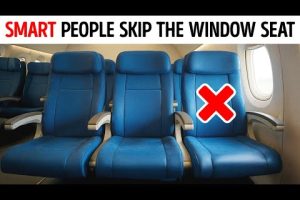
Your seat choice affects comfort more than any other factor during long flights. Window seats offer a solid wall to lean against and less disturbance from passing passengers moving through the cabin. Aisle seats provide easier bathroom access and extra legroom when you stretch your legs regularly throughout the journey. Middle seats should be avoided whenever possible on multi-hour flights for maximum comfort and relaxation.
Reclining space matters greatly when the cabin lights dim for rest periods during overnight flights. Check detailed seat maps before booking to avoid proximity to noisy lavatories and busy galleys near the front. Exit rows grant extra legroom but restrict under-seat storage during takeoff and landing procedures for safety reasons. Bulkhead seats often feature wider armrests and enhanced privacy for travelers seeking comfort and uninterrupted sleep.
Legroom measurements vary significantly across different aircraft models and seating configurations in modern commercial aviation today. Tall passengers should always prioritize pitch over width when selecting their preferred cabin position for long flights lasting many hours. Airlines sometimes charge extra fees for premium seating options located near emergency exits and bulkhead areas with more available space. Book early to secure preferred locations before they sell out completely during peak travel seasons worldwide.
Pack smart for long journeys
Smart packing reduces stress and keeps essentials within reach throughout the entire journey ahead of you. A carry-on should include medication, chargers, a change of clothes, and basic toiletries for unexpected emergencies at altitude. Compression socks help circulation during hours spent sitting in a confined airplane cabin space with limited movement. Pack layers because cabin temperatures fluctuate dramatically during overnight flights and long hauls.
Dressing for comfort
Comfortable clothing makes a significant difference during extended time in your seat on a plane. Choose loose-fitting garments made from breathable fabrics like cotton or linen for maximum airflow. Avoid restrictive waistbands that can cause discomfort after several hours of sitting without moving much. Dress in layers to adjust to changing cabin temperatures easily and stay comfortable.
Organization saves precious minutes when you need items quickly at security checkpoints and busy boarding gates. Use packing cubes to separate clean clothes from worn items during the long trip ahead of departure. Keep documents and electronics in an accessible pocket for quick retrieval during random inspections. A well-packed bag reduces anxiety and helps you stay relaxed throughout every phase of travel.
Stay healthy during travel
Staying healthy on long flights requires proactive habits and mindful choices throughout the journey. Drink water regularly because cabin humidity drops significantly during high altitude cruising at elevation. Avoid excessive alcohol since it dehydrates you and disrupts sleep patterns severely during overnight trips. Move around the cabin every few hours to promote healthy blood flow and circulation.
Deep vein thrombosis remains a serious risk during prolonged periods of immobility while seated for hours. Perform seated exercises like ankle circles and knee lifts every thirty minutes to stay active and alert. Walk the aisle when safe to do so and stretch your legs frequently to prevent stiffness. Compression garments provide gentle pressure that supports circulation during long seated periods on commercial aircraft.
Healthy snacks prevent energy crashes better than relying on unpredictable airline meal timing and schedules. Pack nuts, dried fruit, or granola bars from home for reliable nourishment during unexpected delays and cancellations. Wash hands frequently and use sanitizer after touching shared surfaces in the crowded cabin environment. Good hygiene practices reduce your exposure to germs circulating in recycled air systems throughout the flight.
- Drink eight ounces of water every hour while awake during the flight
- Stand and stretch during bathroom breaks to reset your posture regularly
- Choose light meals rich in vegetables and lean proteins for energy
- Avoid salty foods that increase bloating and discomfort during long flights
- Use moisturizer to combat dry cabin skin conditions at altitude
- Bring herbal tea bags for warm soothing beverages while traveling
Keep entertained mid-flight
Entertainment choices make or break your experience during long hours aloft at cruising altitude. Download movies, podcasts, and audiobooks before departure since WiFi is unreliable on most commercial flights today. Carry a physical book as backup when devices run out of battery mid-flight unexpectedly without warning. Variety prevents boredom from setting in during monotonous hours spent at high altitude.
Noise cancelling headphones
Quality headphones block engine noise and create your personal cinema atmosphere for immersive listening during flights. Over-ear models provide better sound isolation than in-ear buds for extended wear during long journeys aloft. Wireless options eliminate tangled cords but remember to pack charging cables too for reliability and convenience. Test your gear before departure to avoid frustration when you settle into your seat comfortably.
Games and puzzles help pass time without straining your eyes in dim light during flights. Crossword apps and mobile strategy games work well for mental stimulation and engagement throughout the journey. Plan your entertainment schedule to match your natural sleep and wake cycles while traveling at altitude. Mix active watching with passive listening to give your eyes regular breaks from bright screens.
Sleep better at cruising altitude
Quality sleep at altitude depends on preparation and the right accessories for comfort during flights. Use a neck pillow to support your head during unexpected turbulence and altitude drops. Eye masks block harsh cabin lighting that disrupts natural sleep patterns during overnight journeys. Earplugs or white noise apps mask snoring passengers and engine sounds effectively for deeper rest.
Timing your rest aligns with your destination timezone to reduce jet lag symptoms significantly during travel. Avoid caffeine after noon and limit alcohol which fragments sleep architecture badly during overnight flights. Set your watch to destination time immediately upon boarding the aircraft cabin for better adaptation to new zones. Follow local meal schedules once airborne to help your body clock adjust naturally and comfortably.
| Item | Purpose | Benefit | Best For |
|---|---|---|---|
| Neck pillow | Head support | Prevents stiffness | Side sleepers |
| Eye mask | Light blocking | Better melatonin | Light sensitive |
| Earplugs | Noise reduction | Deeper rest | Noisy cabins |
Create a bedtime routine even while flying to signal your body it is time to rest and recover. Avoid screens for thirty minutes before sleep to reduce blue light exposure during long flights at altitude. Keep your seatbelt visible above blankets in case of unexpected turbulence and drops during the night. Small comfort items from home make unfamiliar surroundings feel more familiar and welcoming throughout the journey.
Arrive refreshed and ready

Arriving refreshed requires planning from the moment you board the aircraft for departure. Set alarms for hydration reminders and movement breaks throughout the long flight ahead of landing. Avoid heavy meals close to landing to prevent sluggishness and discomfort upon arrival at your destination. Light stretching during the final hour keeps your body from stiffening completely during the descent.
Adjusting to new time zones
Resetting your internal clock starts with light exposure upon reaching your final destination after landing. Seek natural sunlight during daytime hours to anchor your circadian rhythm quickly and effectively every day. Avoid napping longer than twenty minutes if you arrive during local daylight hours abroad. Stay awake until evening to ensure deep sleep comes naturally that night and restores energy.
Moving around the cabin during descent reduces ankle swelling and promotes healthy circulation throughout your body. Pack a fresh face wipe and toothbrush for arrival refreshment at the airport gate before exiting. Change into comfortable clothes if your travel outfit restricted movement all day long on the flight. A positive mindset transforms fatigue into excitement for your new surroundings and fresh experiences.
FAQ about long haul flight tips
How early should I arrive at the airport
Arrive at least two hours before domestic flights and three hours for international departures. Early arrival reduces stress and allows time for unexpected delays at security checkpoints and passport control. Check your airline specific requirements since some airports have longer processing times than others. Being early gives you buffer time to handle issues calmly and comfortably.
What should I eat before a flight
Choose light meals with lean proteins, vegetables, and complex carbohydrates before boarding the aircraft. Avoid heavy greasy foods that cause discomfort during hours of sitting in your cramped seat. Fresh fruits and yogurt provide sustained energy without weighing you down during long flights. Stay hydrated with water instead of relying on caffeinated beverages that dehydrate you.
Can I bring my own food on board
Most airlines allow solid foods in carry-on bags through security checkpoints without any issues. Liquids and gels must follow standard regulations regarding container sizes and secure packaging. Pack snacks in accessible containers for easy retrieval during the flight without unnecessary hassle or delays. Check specific airline policies since rules vary by carrier and international destination.
How do I handle jet lag effectively
Gradually shift your sleep schedule days before departure to match destination time zones accurately. Stay hydrated and avoid alcohol during the flight to reduce fatigue upon arrival at your destination. Seek natural sunlight immediately after landing to reset your internal body clock and rhythm. Short naps under twenty minutes can help without disrupting nighttime sleep patterns.
What are the best seats for sleeping
Window seats provide a wall to lean against and fewer disturbances from passing passenger traffic. Avoid middle seats and locations near lavatories or galleys for uninterrupted rest during the flight. Bulkhead and exit row seats often offer more space for stretching out comfortably at altitude. Reclining options with extra legroom support better sleep during overnight flights.
These strategies combine to create a more pleasant experience during extended time in the air. Preparation and mindful choices transform challenging journeys into manageable travel experiences. Small adjustments to your routine yield significant improvements in comfort and recovery. Remember that consistency with these habits makes long distance flying more enjoyable over time.