



Extended journeys require careful planning to ensure comfort and enjoyment throughout travel experience. Passengers often face fatigue and physical discomfort during lengthy airborne trips across multiple time zones. Smart preparation makes a significant difference in how travelers feel upon arrival at their destination. You can implement simple strategies to transform a tedious flight into a manageable and pleasant experience.
Choose the right seat for comfort
Selecting the best seat is essential for maximizing comfort during lengthy journeys across the globe. Window seats offer a solid surface to lean against and minimize disturbances from passing passengers walking by. Aisle seats provide easier access to restrooms and extra legroom when you need to stretch your legs. Bulkhead seating often grants more space but restricts movement under the seat directly in front of you.
Middle seats are generally less desirable because they limit your ability to move freely around the cabin. Proximity to the wings reduces turbulence, which helps passengers prone to motion sickness feel much steadier during the flight. Avoiding areas near lavatories prevents disruptions from travelers waiting in line or flushing toilets during the night. Checking seat maps before booking allows you to secure the perfect spot for your specific needs.
Legroom matters significantly for taller individuals who cannot bend their knees comfortably for many hours. Reclining space behind your seat determines how much you can stretch out without annoying the person seated directly behind you. Exit row seating provides extra legroom but comes with strict safety responsibilities that some travelers prefer to avoid entirely. Reading reviews about seat dimensions helps you make an informed decision before purchasing your ticket.
Pack smart items for the journey
Packing the right items ensures you have everything needed to stay comfortable during the entire flight experience. A neck pillow provides essential support for your head when sleeping upright in a cramped airplane position. Noise cancelling headphones block out engine sounds and crying infants effectively throughout the whole journey. Moisturizing lotion prevents dry skin caused by low cabin humidity levels at high altitudes.
Essential clothing choices for long hauls
Wearing loose, breathable fabrics allows your skin to breathe and reduces irritation during extended travel. Layering is wise because airplane temperatures fluctuate greatly between freezing air conditioning and warm cabin drafts. Compression socks improve circulation and help prevent swollen ankles after sitting for many hours without moving your legs. Comfortable slip on shoes make security checks faster and give your feet room to expand naturally.
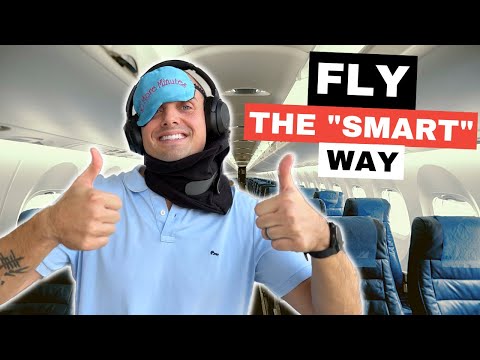
Bringing a refillable water bottle keeps you hydrated without relying on limited flight attendant service. Snacks like nuts or dried fruit provide energy when meal service delays occur unexpectedly during the trip. A lightweight blanket or scarf serves double duty as a pillow cover or extra warmth against chilly cabin air. Organizing your carry on in an accessible manner saves time and reduces stress while boarding the aircraft.
Manage hydration and nutrition wisely
Drinking plenty of water before and during the flight combats dehydration caused by dry cabin air at high altitudes. Alcohol and caffeine worsen dehydration and disrupt sleep patterns, making you feel much worse upon landing at your destination. Eating light meals prevents sluggishness and reduces the chances of deep vein thrombosis during prolonged sitting in a confined space. Fresh fruits and vegetables provide natural energy without causing digestive discomfort mid flight.
Avoiding heavy, greasy foods minimizes the risk of heartburn and indigestion while you are confined to a seat. Light snacks like crackers or yogurt settle easily in your stomach and keep nausea at bay. Bringing your own meals saves money and guarantees you have options that align with your dietary preferences and restrictions. Staying mindful of what you consume directly impacts your overall comfort and energy levels throughout the journey.
- Drink water consistently throughout the journey.
- Limit alcoholic beverages to one glass.
- Eat light, balanced meals before flying.
- Pack healthy snacks like nuts and fruit.
- Avoid overly salty foods that cause bloating.
- Chew gum to help equalize ear pressure.
Herbal teas like chamomile or peppermint soothe the stomach and promote relaxation during stressful travel periods. Carbonated drinks create gas and bloating, which is uncomfortable when your mobility is restricted for hours. Staying conscious of your food intake helps maintain steady blood sugar levels and prevents fatigue from setting in too early. Small, frequent eating habits work better than large meals during extended time in the air.
Entertain yourself for hours ahead
Downloading movies, books, and podcasts before departure ensures you have entertainment even without Wi-Fi access. A diverse selection of content prevents boredom from setting in during monotonous hours spent at thirty thousand feet. Creating a playlist of calming music helps lower anxiety and prepares your mind for restful sleep. Portable chargers keep your devices powered throughout the entire flight duration without interruption.
Games and activities to pass the time
Engaging in puzzle games or reading a captivating novel distracts your mind from the enclosed environment. Solitaire and crossword apps work well on tablets and do not require an internet connection to function properly. Writing in a journal allows you to reflect on your trip and document memories as they unfold above the clouds. Craft projects like knitting provide a soothing rhythm that eases travel stress naturally.
Watching television series in marathon sessions is a popular way to lose track of time while flying. Learning a new language through audio lessons stimulates your brain and makes the journey feel productive. Coloring books designed for adults offer a creative outlet that requires minimal space and supplies to enjoy comfortably. Mixing different activities keeps your mind engaged and prevents the monotony of staring at the same screen for too long.
Promote movement and physical well being
Getting up to walk every few hours stimulates blood circulation and reduces the risk of dangerous blood clots forming. Simple stretches in your seat relieve muscle tension and stiffness that builds up from sitting in one position for too long. Ankle circles and toe raises can be done discreetly without disturbing neighboring passengers seated nearby. Staying active during the flight helps you arrive feeling refreshed rather than exhausted and sore from the journey.
| Activity | Frequency | Benefit | Location |
|---|---|---|---|
| Walking | Every 2 hours | Improves circulation | Aisle |
| Stretching | Every 1 hour | Reduces stiffness | Seat |
| Hydration | Every 30 mins | Prevents dehydration | Anywhere |
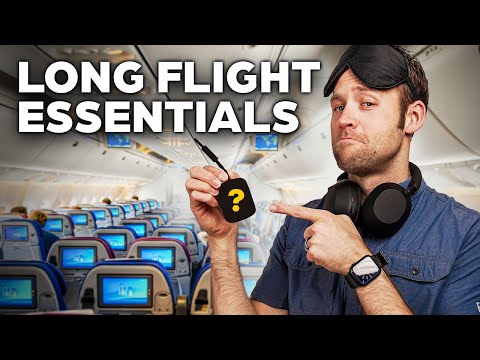
Wearing compression stockings provides gentle pressure that encourages blood flow back up from your lower extremities. These garments are especially helpful for passengers with a history of circulation issues or those prone to swelling. Removing shoes periodically allows your feet to breathe and prevents cramping caused by tight footwear during the trip. Regular movement breaks combined with proper attire significantly enhance your physical comfort throughout the entire flight.
Deep breathing exercises calm the nervous system and supply your body with oxygen during the flight. Inhaling slowly through the nose and exhaling through the mouth reduces stress and lowers your heart rate. Practicing these techniques before sleep helps you fall asleep faster despite the noise and lighting in the cabin. Maintaining physical well being requires attention to both movement and relaxation throughout the long journey ahead.
Prepare your mind for restful sleep
Establishing a sleep routine on board helps your body recognize when it is time to rest. Using an eye mask blocks out harsh cabin lights that interfere with your natural circadian rhythm. Earplugs or white noise apps drown out disruptive sounds from other passengers and nearby galley carts. Keeping your sleeping area cool by removing a layer of clothing prevents overheating during the night.
Sleep aids and relaxation techniques
Avoiding screens an hour before you plan to sleep reduces blue light exposure that disrupts melatonin production. Gentle stretching or meditation calms the mind and prepares your body for deep, uninterrupted rest during the flight. A small pillow supporting your lower back maintains spinal alignment and prevents waking up with a stiff neck in the morning. Creating a dark, quiet environment signals your brain that it is safe to drift off peacefully.
Setting your watch to the destination time zone helps your mind adjust to the new schedule early. Limiting caffeine intake several hours before your intended sleep time ensures your body is naturally ready to wind down. Waking up gradually with natural light exposure helps reset your internal clock upon arrival at your final destination. Consistency with these habits trains your body to sleep well even in the unfamiliar setting of an airplane cabin.
Frequently asked questions about long flights
How can I prevent leg cramps on a plane?
Moving your ankles and stretching your calves every hour promotes blood flow and prevents painful cramps. Drinking water consistently keeps your muscles hydrated and less prone to sudden spasms during the flight. Avoiding crossing your legs reduces pressure on nerves and veins that contribute to cramping in the lower extremities. Wearing loose clothing around the waist and knees allows for better circulation throughout the journey.
What should I eat before a long flight?
Consuming a balanced meal with lean protein and complex carbohydrates provides sustained energy without causing drowsiness. Heavy, greasy foods are difficult to digest and may lead to discomfort during the flight. Fresh fruits and vegetables supply essential vitamins that support your immune system in the dry cabin environment. Eating a moderate portion ensures you feel satisfied without experiencing sluggishness or bloating while seated for hours.
How do I deal with jet lag effectively?
Adjusting your sleep schedule a few days before departure helps your body adapt to the new time zone. Exposing yourself to natural sunlight upon arrival resets your internal clock and promotes alertness during daytime hours. Avoiding long naps on the plane ensures you will be tired enough to sleep well at night locally. Staying hydrated throughout the journey minimizes the fatigue associated with crossing multiple time zones.
Can I bring my own food on board?
Most airlines allow solid foods in your carry on bag, though liquids face stricter security restrictions. Packing sandwiches, fruits, and snacks saves money and guarantees you have options that meet your dietary needs. Check the specific rules of your airline before traveling to avoid having items confiscated at the security checkpoint. Bringing your own meals ensures you stay nourished and comfortable during delays or meal service gaps.
How often should I walk around the cabin?
Walking around the cabin every one to two hours is recommended to maintain healthy blood circulation. Prolonged sitting increases the risk of deep vein thrombosis, especially on flights longer than four hours. Even standing in place or doing seat exercises provides some relief for your legs and lower back. Regular movement prevents stiffness and helps you feel more energized upon arrival at your destination.
Implementing these strategies will significantly improve your overall experience during lengthy airborne journeys across the world. Comfort and health should always remain top priorities when planning your next international or domestic trip. Small adjustments to your daily routine make a substantial difference in how you feel upon landing safely at your destination. Safe travels and enjoy the journey ahead with confidence and ease.