


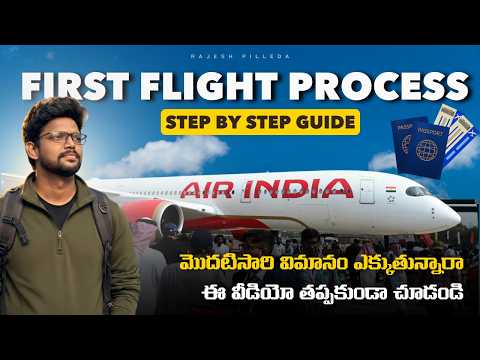
Flying for the first time can feel overwhelming for travelers who have never flown before. You need to know what to expect before boarding the plane and moving through the busy airport. This guide covers essential steps to make your journey smooth and stress free from start to finish. Follow these simple tips to reduce anxiety and travel with confidence.
How to Book Your First Flight
Booking a flight for the first time requires research and patience from careful travelers who compare prices across different airlines to find the best deal for your specific travel budget and needs. Check baggage policies before you commit to a purchase to avoid hidden fees and unexpected charges later. Read passenger reviews to understand service quality and overall reliability ratings before making your final decision. Choose a direct flight when possible to reduce travel stress and save time during your journey.
Set fare alerts on travel websites to monitor price changes and find the lowest available fares. Book your tickets at least two to three weeks in advance for better pricing options and availability. Avoid flying during peak holiday periods if you want lower fares and less crowded flights overall. Select a seat near the wing for a smoother ride with less turbulence and motion.
Consider travel insurance to protect your investment against unexpected cancellations and other unforeseen travel disruptions. Double check passport expiration dates before finalizing your reservation to avoid last minute complications or issues. Print or download digital copies of all travel documents and save them in multiple secure locations. Contact the airline directly if you need special assistance services for your specific travel requirements.
What to Pack in Your Carry On
Packing a carry on bag requires strategic planning and organization to maximize limited space efficiently. Include essential documents like your passport and boarding pass in an accessible pocket for quick retrieval. Pack a change of clothes and basic toiletries in a clear bag for security screening. Bring chargers, snacks, and a book for the long journey ahead during your flight.
Essential Items for Comfort
Bring a neck pillow and noise cancelling headphones for comfort during long flights and busy airports. Wear layers since cabin temperatures vary significantly during long flights and overnight journeys. Pack wet wipes and hand sanitizer for cleanliness on board when restroom access is limited. Include medications and valuables in your carry on bag to keep them secure and accessible.
Use packing cubes to maximize space and keep items organized throughout your travel experience. Avoid prohibited items like sharp objects and large liquids that violate TSA security regulations. Check airline size restrictions before arriving at the gate area to prevent last minute issues. Pack a reusable water bottle to stay hydrated throughout travel and avoid expensive airport purchases.
Steps to Prepare Before Airport Arrival
Preparing before airport arrival saves time and reduces travel stress for first time flyers and veterans alike. Check in online twenty four hours before your scheduled departure time to secure your seat assignment. Print boarding passes or save them on your mobile device for easy access at the terminal. Verify your flight status and gate number the morning of travel to avoid any confusion.
Arrive at the airport at least two hours before domestic flights to allow time for check in. Wear comfortable shoes and easy to remove clothing for security checks and passenger screening procedures. Keep your travel documents organized in a dedicated folder or pouch for quick verification. Download offline maps of the airport layout before you arrive to find gates efficiently.
Charge all electronic devices fully before leaving home for the airport to avoid battery issues. Bring a small snack to avoid expensive airport restaurant prices and long food lines. Notify your bank of travel plans to prevent card declines during international transactions abroad. Check weather conditions at both departure and arrival locations ahead of time for safety.
- Confirm your flight status the morning of departure
- Arrive at the airport at least two hours early
- Keep travel documents in an easily accessible bag
- Wear comfortable clothing and slip on shoes
- Charge all electronic devices fully before leaving home
- Notify your bank about upcoming travel plans
Understanding Airport Security Procedures

Airport security procedures can seem intimidating for first time travelers but they follow standard protocols. Remove shoes, belts, and jackets before walking through the scanner for efficient passenger screening. Place laptops and liquids in separate bins for X-ray screening and clear visual inspection. Follow officer instructions carefully to move through checkpoints efficiently without causing delays for others.
What to Expect at Screening
Security officers may pat down passengers randomly or select them for extra screening during the process. Keep boarding pass and ID ready for verification at the checkpoint to speed up the process. Empty pockets into bins before placing items on the conveyor belt for smooth X-ray screening. Stay calm and follow instructions from TSA agents throughout the process to move through quickly.
Sign up for TSA PreCheck if you travel frequently within the United States to save time. Wear slip on shoes to speed up the shoe removal process during routine security screening. Keep medication and baby formula accessible for separate inspection if requested by security officers. Arrive early enough to handle unexpected delays without missing your flight or gate announcement.

Comparing Ticket Types for Beginners
Choosing the right ticket type affects your overall travel experience significantly and shapes your journey. Basic economy offers the lowest price but with strict restrictions on baggage and changes. Standard economy provides more flexibility for baggage and seat selection compared to basic options. Premium economy adds extra comfort with larger seats and priority service for a better experience.
| Ticket Type | Price Range | Best For | Flexibility |
|---|---|---|---|
| Basic Economy | Lowest fares | Budget travelers | Limited changes |
| Standard Economy | Mid range | Most passengers | Moderate changes |
| Premium Economy | Higher fares | Comfort seekers | More changes |
Read the fine print before purchasing any airline ticket online to understand all terms. Check baggage allowance fees since they vary by airline and route significantly. Look for hidden charges like seat selection and onboard meals that add to costs. Consider loyalty programs that offer points on future travel purchases for regular flyers.
Book directly through airline websites for better customer service access and direct support. Compare prices across multiple platforms before committing to a purchase to find the best deal. Watch for promotional codes that reduce ticket prices significantly if you book early. Review cancellation policies thoroughly before entering payment information to protect your investment.
Handling Turbulence and In Flight Anxiety
Managing anxiety during a flight requires practical coping strategies and preparation for nervous travelers. Understand that turbulence is normal and rarely dangerous for passengers on commercial aircraft flights. Focus on breathing exercises to calm your nervous system effectively during unexpected rough air. Keep your seatbelt fastened while seated to stay safe always during the entire flight.
Techniques for Staying Calm
Practice deep breathing techniques before and during the flight experience to manage anxiety effectively. Visualize a peaceful scene to redirect anxious thoughts away from flying and toward relaxation. Talk to flight attendants if you feel overwhelmed during the journey for reassurance and support. Keep busy with movies, books, or games to pass time and distract your mind.
Choose an aisle seat if you feel claustrophobic during long flights and need easy access. Stay hydrated and avoid excess caffeine before and during travel to maintain calmness throughout. Walk the aisle periodically to stretch your legs and reduce tension during long flights. Inform a flight attendant if you feel genuinely unwell at any point during travel.
Frequently Asked Questions
How early should I arrive at the airport?
Arrive at least two hours before domestic flights and three hours before international departures for safety. Early arrival gives you time for check in, security, and unexpected delays without rushing. Being early reduces stress and ensures a smooth start to your journey and travel day. Follow airline specific recommendations for your particular flight type and destination requirements.
What documents do I need for domestic travel?
A government issued photo ID such as a driver license or passport works for domestic flights within the United States. Check your ID expiration date before traveling to avoid last minute issues or denial at the gate. Airlines may deny boarding if your identification is expired or damaged beyond recognition for security. Keep digital copies of all documents stored securely on your phone for backup purposes.
Can I bring food through security?
Solid foods like sandwiches and fruits pass through security checkpoints without problems for most travelers. Liquid foods such as soups and sauces must follow the three point four ounce rule strictly. Pack snacks in your carry on to avoid expensive airport restaurant prices and long food lines. Check destination country rules if bringing fresh fruits or vegetables internationally for customs compliance.

What happens if my flight gets canceled?
Contact the airline immediately to rebook on the next available flight to your destination and onward travel. Most airlines offer rebooking options or refunds for canceled flights due to weather or mechanical issues. Travel insurance may cover additional expenses like hotel stays and meal costs during unexpected delays. Monitor flight status apps for real time updates on schedule changes and gate announcements.
How do I choose the best seat?
Window seats offer views and a wall to lean against during sleep for comfortable rest. Aisle seats provide easy access to restrooms and more legroom for taller passengers on flights. Exit row seats offer extra legroom but have restricted storage during takeoff and landing phases. Use seat maps on airline websites to compare locations before booking your preferred seat.
Your first flight experience becomes easier with proper preparation and realistic expectations for nervous travelers. Stay patient with yourself as you learn the rhythms of air travel and airport procedures. Each journey builds confidence and makes future trips feel much more comfortable and less stressful. Safe travels and enjoy the experience of flying through the skies above the clouds.