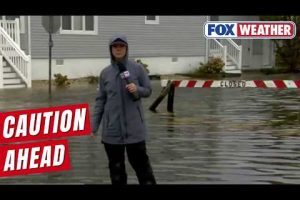



Breaking news rapid city sd keeps residents informed about local emergencies, weather alerts, and community events that affect daily life across Pennington County. When incidents happen in Rapid City or surrounding areas, sources publish updates immediately through multiple channels and platforms. Local authorities share critical information via official websites and social media platforms for public safety. Staying current helps citizens make safe decisions during unfolding situations that require immediate attention and careful planning.
Latest Breaking News In Rapid City South Dakota
Latest breaking news in Rapid City South Dakota covers wildfires, floods, road closures, and severe weather warnings that affect daily life across Pennington County and surrounding areas. Local news stations and official channels broadcast urgent updates as situations develop throughout the region without delay. Residents rely on these reports to understand current threats and plan their routes accordingly during emergencies that require immediate action. Staying informed helps communities respond quickly when emergencies unfold near home and disrupt normal routines.
Events in the Black Hills region often prompt immediate coverage from regional media outlets and government agencies responding to active incidents. Social media platforms amplify information quickly but users must verify claims before sharing unconfirmed reports with friends and family. Official statements from fire departments and law enforcement provide the most reliable details during chaotic and unpredictable moments. Community members should always cross-check facts with multiple trusted sources before taking any action. Local reporters work around the clock to deliver accurate updates as conditions change rapidly.
Understanding the scope of local events helps residents prepare for potential disruptions to daily routines and travel plans throughout the area. Emergency managers coordinate closely with meteorologists and public safety teams to issue timely warnings for rapidly changing conditions. Everyone benefits from knowing which neighborhoods face immediate risks and which areas remain safe for normal outdoor activities. That knowledge empowers families to protect their property and loved ones during unpredictable weather or disaster scenarios.
How To Find Real Time Updates
To find real time updates residents should bookmark the official city website and enable notifications from trusted news applications installed on their phones. Wireless emergency alerts reach mobile devices automatically when authorities issue urgent warnings about severe weather or public safety threats in the region. Local television and radio stations provide continuous coverage during major incidents affecting the Rapid City metropolitan area and surrounding communities.

These systems ensure that critical messages reach residents without delay during fast moving emergencies across the entire region. Users can customize alert preferences to receive notifications for specific zones and hazard types that matter most to their daily routines. Regular testing helps maintain system reliability and public awareness of warning procedures throughout the entire year. Citizens should review their phone settings to confirm alerts are enabled and functioning properly at all times.
Official sources remain the most dependable option for accurate information during unfolding situations that require immediate public attention. Rumors spread quickly online but confirmation from authorities prevents unnecessary panic among residents in affected areas. Following established protocols ensures that everyone receives consistent guidance when minutes matter most for critical safety decisions. Trusted outlets prioritize factual reporting over speculation during high stress events that unfold rapidly.
Top Local Sources To Follow
Top local sources to follow include the Rapid City Journal, NOAA weather radios, and official police department channels serving Pennington County and nearby communities. These outlets provide timely coverage of traffic accidents, weather warnings, and community announcements that affect daily life in the region and surrounding areas. Residents should verify each source through independent research before relying on it for urgent updates during emergency situations. Cross-referencing multiple outlets helps build a complete picture of ongoing events affecting the surrounding area.
Digital platforms offer instant access to developing stories and visual evidence from the ground in real time during incidents. Citizen journalism apps allow witnesses to upload photos and videos directly to public feeds for wider distribution and community awareness. However, users must exercise caution since unverified content can contain errors or outdated images that mislead readers. Checking publication dates and source credentials helps ensure that shared information reflects current conditions accurately.
Radio broadcasts remain essential when power outages disrupt internet connectivity during severe storms or wildfires in the region. Emergency broadcast systems interrupt regular programming to deliver vital instructions from local officials to listeners in affected areas. Having a battery powered receiver ensures continuous access to critical updates even when modern infrastructure fails completely. Families should maintain emergency supplies including flashlights and portable charging devices for extended power outages that last many hours.
- Official city website alerts
- Local television news stations
- NOAA weather radio channels
- Police department social media accounts
- Community notification phone systems
- Trusted regional news applications
Common Emergency Scenarios Covered
Common emergency scenarios covered by local media include severe thunderstorms, winter blizzards, and flash flooding in mountain terrain near Rapid City and surrounding areas. Wildfire smoke from controlled burns or distant fires can reduce air quality across the Rapid City area during dry summer months and create health concerns. Road closures from accidents or rock slides on major highways require constant monitoring by transportation authorities throughout the region.
Severe weather alerts demand immediate attention because tornado warnings and hail storms can develop with little advance notice. Residents living in flood prone zones should maintain emergency kits containing water, medications, and important documents ready for quick departure. Local shelters open when conditions threaten lives and property across vulnerable neighborhoods in and around the city. Schools and businesses may close early to protect staff and students during dangerous weather events.
Law enforcement incidents such as active shooter situations or hazardous material spills require precise information from trained responders on the scene. Media partners work with public safety officials to share accurate details while protecting ongoing investigations and victim privacy during sensitive events. Community awareness campaigns teach residents how to react appropriately during various crisis situations that may arise unexpectedly. Preparedness training helps individuals make sound decisions when emergencies occur in their immediate vicinity.
Best Apps For Local Alerts
Best apps for local alerts include options that deliver push notifications for weather emergencies and traffic disruptions in real time during incidents. Users can select applications that focus on specific counties or provide statewide coverage across South Dakota for comprehensive protection during emergencies. Free versions often include basic features while premium tiers offer advanced customization for power users seeking detailed information about local events. Reading user reviews helps identify reliable tools that perform well during actual emergencies.
Mobile applications must balance speed with accuracy to remain useful when seconds count during urgent situations in the field. Developers update their software frequently to fix bugs and improve the user experience for everyday consumers using various platforms. Compatibility with older devices ensures that more residents can access critical information regardless of their phone model. Regular maintenance keeps applications running smoothly when communities need them most during crisis events.
Battery life considerations matter significantly since constant notifications drain power during extended outages or travel periods away from home. Users should adjust settings to receive only the most relevant alerts for their specific location and daily routines. Backup power banks provide extra charge when access to electrical outlets becomes limited during prolonged emergencies in remote areas. Testing applications regularly ensures they function correctly when real incidents require immediate attention from residents during crisis situations.
| App Type | Key Feature | Cost | Best For |
|---|---|---|---|
| Weather focused | Radar and alerts | Free | Storm tracking |
| Traffic updates | Road conditions | Free | Commuters |
| General news | Local headlines | Subscription | All users |
What Residents Should Do Next
Residents should create family communication plans that outline meeting points and emergency contacts before disasters strike nearby communities in the region. Preparing go bags with essential supplies ensures that households can evacuate quickly when officials issue mandatory departure orders for affected areas in the region. Practicing these plans regularly helps everyone remember their roles during high stress situations that require swift and decisive action from all family members. Documenting important property information simplifies insurance claims and recovery efforts after emergencies conclude successfully.
Staying informed through multiple channels reduces reliance on any single source that may experience outages during major events in the area. Neighbors helping neighbors strengthens community resilience when professional responders face high call volumes and extended response times for urgent requests. Volunteering with local groups provides opportunities to support vulnerable populations who need extra assistance during prolonged emergencies. Sharing resources and information builds stronger neighborhoods that recover more quickly from disruptive incidents.
Reviewing insurance policies annually guarantees adequate coverage for property damage caused by storms or other covered events in Rapid City. Homeowners should photograph valuable belongings and store copies in secure cloud locations away from physical premises for safekeeping. Financial preparedness includes maintaining emergency funds that cover living expenses if displacement lasts several days or weeks. Consulting insurance agents clarifies policy details and ensures families understand their rights during claims processes.
Frequently Asked Questions

Where can I get breaking news rapid city sd updates?
Residents can access breaking news rapid city sd updates through the official city website and trusted local news stations that broadcast continuously. Mobile applications deliver push notifications for urgent alerts that require immediate attention from the public during emergencies. Social media accounts from police and fire departments share verified information during developing situations that affect daily life. NOAA weather radios provide continuous coverage of severe weather warnings affecting the region throughout the year. Checking multiple sources ensures that families receive accurate details about current emergencies and potential threats.
What types of events trigger emergency alerts?
Severe weather events like tornadoes, flash floods, and winter storms trigger most emergency alerts issued by local authorities. Hazardous material spills and industrial accidents may also prompt warnings to protect public health and safety in affected neighborhoods. Law enforcement incidents including active shooter situations generate immediate notifications for nearby residents. Officials evaluate each situation carefully before activating warning systems to avoid unnecessary panic.
How often do alerts sound in Rapid City?
Alert frequency varies based on weather patterns and seasonal risks that affect the Rapid City metropolitan area throughout the year. Summer months bring wildfire smoke advisories and severe thunderstorm warnings more frequently than other seasons in the region. Winter conditions produce blizzard warnings and ice storm alerts that disrupt transportation networks regularly across Pennington County. Residents should check their alert settings monthly to ensure proper configuration for their specific location and needs.
Are emergency alerts free to receive?
Most emergency alerts reach mobile devices at no cost through federal wireless emergency alert systems that operate nationwide. Local government websites and news applications provide free access to current information without requiring subscriptions or payments. Some specialized apps offer premium features for advanced customization but basic emergency notifications remain available without fees. Residents should verify that their phones have alert permissions enabled in settings for full coverage.
What should I do when alerts sound?
When alerts sound residents should immediately seek reliable information from official sources rather than relying on rumors or social media posts. Following evacuation orders promptly saves lives and reduces risks for emergency responders navigating blocked roads during disasters. Families should gather their emergency kits and pets before leaving homes if authorities recommend departure. Staying indoors with emergency supplies remains the safest option when warnings indicate severe weather approaching the area.
Maintaining awareness of local conditions requires ongoing effort and attention from every resident living in the Rapid City area. Regular practice of emergency plans ensures that families remain prepared when unexpected events disrupt normal daily routines. Building connections with neighbors creates support networks that strengthen community resilience during challenging times for everyone involved. Staying informed through reliable sources protects lives and property when crises develop without warning in the region.