


The federal travel advisory system provides essential safety information for international travelers. You should always check these official warnings before booking any flight to ensure a secure journey. The alerts help you avoid dangerous regions and potential security threats overseas. Understanding current risk levels ensures a safer and more predictable journey for everyone involved.
Understanding travel advisory levels
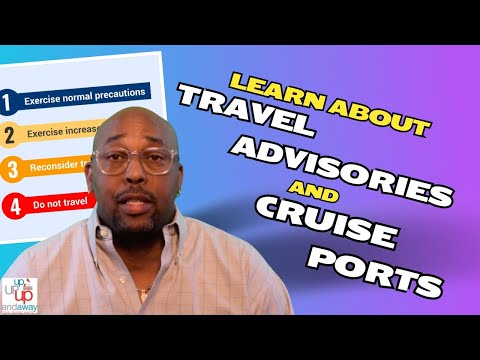
The travel advisory system uses specific color codes and threat classifications to inform the public about global risks around the world today. Level one means exercise normal precautions while level four requires you to avoid all travel to that specific destination country. These rankings reflect current political instability or health crises affecting specific countries across the globe. Travelers need to review these categories carefully before planning any international trips to ensure safety.
The federal government updates these threat levels based on intelligence gathered from embassies and consular officials abroad. You must monitor the official website regularly because conditions can change rapidly without much prior warning to travelers. A previously safe country might suddenly face a violent outbreak or severe natural disaster that escalates the risk rating. Checking the latest updates prevents you from entering an area that has become unexpectedly dangerous for tourists.
Different nations experience varying degrees of danger, so a single standard applies universally to all foreign destinations. Your personal safety depends heavily on how well you understand the specific risks associated with your chosen location. Ignoring these official warnings can lead to serious legal trouble or physical harm while you are far from home. Always prioritize your wellbeing by staying informed about the latest threat assessments for your planned travel destinations.
How to check the latest alerts
You can easily access the latest alerts by visiting the official government website dedicated to international safety and security. The site updates daily with new warnings and detailed information about specific regions around the world that travelers frequently visit. Enter your destination country into the search tool to view the current status immediately. This resource provides clear guidance for anyone planning a trip to a foreign location.
Using the search tool
Enter your desired destination into the search bar to retrieve the most recent advisory details quickly. The system will display the current threat level alongside any specific safety instructions for that particular region. You should save this page for future reference to track any changes that occur before your departure date. This feature simplifies the process of gathering vital safety information for multiple countries at once.
Mobile applications often mirror the official database, allowing you to check alerts while you are on the go. These tools send push notifications when a new warning is issued for a country you have previously researched. Having instant access to this data ensures you remain aware of sudden changes that could impact your safety abroad. Relying on digital resources keeps you informed even when you are far from a computer.
Key steps before traveling abroad
Preparation is essential for any international trip because unexpected events can disrupt your plans at any moment. You should review the official warnings for your destination and register with the embassy to receive important updates. Packing a copy of your travel documents ensures you have backup identification if your primary documents get lost or stolen during the journey. Taking these proactive measures significantly reduces the risks associated with traveling to unfamiliar foreign locations.
- Verify the current threat level for your specific destination before finalizing your flight tickets.
- Register your trip with the local embassy so officials can contact you during emergencies.
- Make photocopies of your passport and keep them separate from the original documents.
- Research local laws and customs to avoid accidental legal violations while abroad.
- Purchase comprehensive travel insurance that covers medical evacuations and unexpected trip cancellations.
- Share your itinerary with family members so they know your whereabouts at all times.
Creating a detailed itinerary helps you stay organized and reduces the chances of missing important flights or connections. You should also inform your bank about your travel dates to prevent your cards from being blocked abroad. Researching emergency contact numbers for the local police and hospital is a smart precaution to take beforehand. Following this checklist ensures a smoother and more secure travel experience for everyone involved.
Having a contingency plan is vital if your original schedule changes due to severe weather or political unrest abroad. You should identify the nearest embassy or consulate in your destination city and save their address on your phone. This information proves invaluable if you need urgent assistance or must evacuate quickly from the area. You should also pack a basic emergency kit with medications and copies of your insurance policy.
What to do during an emergency
Remaining calm is the most important action you can take when a crisis occurs in a foreign country. You should immediately contact your embassy or consulate for guidance on how to proceed safely. Keep your phone charged and store emergency numbers in your device for quick access during a dangerous situation. Following these steps ensures you receive the necessary support from diplomatic representatives abroad.
Contacting your embassy
Embassies provide critical support to citizens facing emergencies in foreign territories and can assist with various urgent needs. They can help you locate legal representation or medical facilities if you encounter serious trouble abroad. You should carry the contact details of your nearest diplomatic mission at all times during your travels. This information ensures you receive timely help when facing unexpected challenges in an unfamiliar environment.
Keeping a low profile in public spaces reduces your risk of becoming a target during civil unrest or protests. You should avoid large gatherings and stick to well-lit, populated areas whenever you leave your accommodation. Blending in with local dress and behavior helps you avoid drawing unnecessary attention from potential threats. Maintaining a discreet presence keeps you safer while navigating unfamiliar urban environments.
Comparing advisory levels across regions
Different regions around the world face unique challenges that influence the assigned threat levels for travelers. Comparing these levels helps you understand the relative risks between neighboring countries or distant continents. You should examine the specific criteria used by officials to determine the severity of each warning. This comparison allows you to choose safer destinations for your upcoming international vacation or business trip.

| Region | Level | Common Risk | Recommended Action |
|---|---|---|---|
| North America | Level One | Low Crime | Exercise Normal Precautions |
| South America | Level Three | High Crime | Reconsider Travel |
| Asia | Level Two | Political Unrest | Exercise Increased Caution |
Government agencies assess each region based on factors like crime rates, political stability, and health infrastructure. These assessments determine whether a location is safe for casual tourism or requires significant precautions from visitors. You should never ignore the specific warnings issued for a region that has recently experienced violent conflict. Understanding these nuances protects you from entering zones with elevated threats to personal safety.
Some regions fluctuate between warning levels due to seasonal weather patterns or sudden political changes in leadership. You must monitor these shifts closely because a stable country can quickly become hazardous for unprepared tourists. Checking the regional advisories before departure ensures you are aware of any new threats that might affect your safety. Staying alert to these changes prevents you from encountering unexpected dangers during your travels abroad.
After returning home safety tips
Returning home does not mean the risks have completely disappeared from your travel experience. You should monitor your health for any symptoms that appeared during your time abroad in a foreign country. Continuing to check the official alerts helps you stay informed about conditions at your destination. Sharing your experiences with friends raises awareness about potential dangers they might face.
Monitoring health upon return
If you visited a region with known health risks, you should consult a doctor even if you feel fine. Certain illnesses have incubation periods that can last for days or weeks after exposure to contaminated environments. Early detection of symptoms allows for prompt treatment and prevents the spread of disease to others. Your physician can provide specific guidance based on the locations you visited during your trip.
Reviewing your travel insurance policy is a smart step to handle any medical expenses incurred during your journey. You should file any necessary claims quickly while you still have documentation of your treatments and purchases. Keeping records of your medical visits abroad simplifies the reimbursement process with your insurance provider. This administrative work protects your finances when dealing with unexpected healthcare costs after returning home.
Frequently asked questions
How often are the alerts updated?
The alerts are updated regularly based on the latest intelligence gathered from embassies and consular officials abroad. You should check the official website daily to ensure you have the most current information before traveling. Conditions can change rapidly without much prior warning to travelers visiting specific regions. Staying informed helps you avoid entering areas that have become suddenly dangerous for tourists.
Do these warnings apply to all citizens?
Yes, the warnings apply to all citizens traveling to the specified regions regardless of their nationality or residency status. Dual nationals must also adhere to these guidelines when visiting countries that pose elevated security or health risks. The advice is designed to protect everyone from potential threats and unforeseen emergencies abroad. Ignoring these official warnings can lead to serious legal trouble or physical harm while you are far from home.
Can I travel if my destination is level four?
Level four advisories strongly recommend avoiding all travel to that specific destination due to extreme dangers and threats. You should reconsider your plans and choose an alternative location if possible to ensure your personal safety abroad. Traveling to a level four zone puts you at significant risk of encountering violent crime or political unrest. Always prioritize your wellbeing by heeding these official warnings and selecting safer destinations for your upcoming trips.
What does level one mean exactly?
Level one means exercise normal precautions while visiting that specific country or region because the overall risk remains low. You should still practice standard safety measures like securing your belongings and staying aware of your surroundings at all times. Even low-risk areas can present minor dangers that require basic vigilance from travelers exploring new places. Following these simple guidelines ensures a safer and more predictable journey for everyone involved in the trip.
Where can I find historical advisory data?
You can find historical data on the official government website by using the archive or past alerts section. These records show how threat levels have changed over time for various countries and regions around the world. Reviewing past trends helps you understand the stability of a destination before making a final booking decision. This research provides valuable context for evaluating the long-term safety of your chosen travel location abroad.
Staying informed about the official warnings is your best defense against unexpected dangers during international travel to foreign countries. You should always verify the current status of your destination before departing and throughout your entire trip abroad. Taking proactive steps to prepare for potential risks ensures a much safer and more enjoyable experience overseas for everyone involved. Your careful planning will ultimately protect you and your loved ones from harm while exploring new destinations around the world.