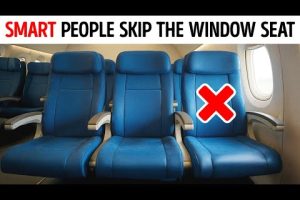



Preparing for extended air travel requires smart planning and comfort-focused strategies to ensure a pleasant journey. You can transform a tiring experience into a restful escape by following these practical guidelines consistently throughout your trip. Staying hydrated and moving regularly prevents stiffness and fatigue during the long hours spent sitting in a confined space. A little preparation goes a long way toward arriving at your destination feeling completely refreshed and ready to explore.
Preparing your body before departure

Getting adequate sleep the night before your flight helps regulate your internal clock and significantly reduce travel exhaustion throughout the journey. Drinking plenty of water in the days leading up to your trip keeps your body hydrated and ready for the dry cabin air you will encounter. Avoiding alcohol and heavy meals prevents bloating and discomfort during takeoff and the initial ascent phase. These simple habits set a strong foundation for a comfortable and enjoyable journey ahead.
Packing essential items like a neck pillow and earplugs ensures you have everything needed at your seat for the long journey. Wearing loose, breathable clothing allows for better circulation and prevents restriction during long periods of sitting in a cramped airplane seat. Carrying a refillable water bottle reminds you to drink frequently throughout the flight to maintain optimal hydration levels. Small preparations make a significant difference in how you feel when you finally reach your destination.
Arriving early at the airport reduces stress and gives you ample time to find your gate without rushing or panicking. Checking in online saves valuable time at the counter and lets you choose your preferred seat in advance before the crowds arrive. Reviewing your boarding pass and passport requirements prevents last-minute surprises and delays at the security checkpoint area. A calm start to your airport experience contributes to a peaceful and relaxed flight from takeoff to landing.
Choosing the right seat for comfort
Selecting an aisle seat gives you easy access to the restroom and more legroom to stretch your legs freely. Window seats offer a wall to lean against and better views during the journey across the vast sky. Bulkhead rows provide extra legroom but might lack under-seat storage for your carry-on bag during the flight. Choosing your seat wisely enhances your physical comfort significantly over the long hours spent in the air.
Consider the proximity to the wings when picking your spot to minimize engine noise and turbulence during the long flight. Middle seats often feel cramped, so they are usually the last choice for most travelers seeking personal space. Exit rows offer excellent space but require you to assist in emergencies, which may not suit everyone’s physical capabilities. Weigh these factors carefully before finalizing your reservation to ensure the best possible travel experience on board.
Upgrading your seat class
Upgrading to premium economy or business class can dramatically improve your sleep quality and overall satisfaction during the long flight. Extra recline and wider seats make a long journey feel much shorter and more bearable for tired travelers. If upgrading is not possible, using a premium travel blanket adds a layer of luxury and warmth to your seat. Investing in comfort pays off significantly when you finally reach your destination feeling rested.
Entertaining yourself during the flight
Downloading movies, books, and music to your device ensures you have entertainment even without Wi-Fi access during the flight. A charged portable power bank keeps your electronics running throughout the entire journey without searching for available outlets nearby. Noise-canceling headphones block out cabin noise and help you focus on your chosen media without any distractions. These preparations prevent boredom from ruining your travel experience and making the hours drag.
- Watch downloaded movies or series to pass the hours quickly and enjoyably.
- Read an engaging book or listen to an immersive podcast for relaxation.
- Play offline mobile games to keep your mind active and engaged.
- Write in a journal to reflect on your travel goals and memories.
- Learn a new language using audio lessons on your phone daily.
- Sketch or color in a small notebook for relaxation and mindfulness.
Solving puzzles or crosswords provides a relaxing mental exercise that distracts from flight anxiety and keeps your mind sharp. Listening to curated playlists matches your mood and helps you unwind during the long journey ahead. Watching television shows you have been meaning to catch makes the time fly by effortlessly. Engaging your mind actively keeps restlessness at bay effectively throughout the flight.
Staying healthy and hydrated
Drinking water consistently throughout the flight combats the dry cabin air that dehydrates your body rapidly and continuously. Avoiding excessive caffeine and alcohol prevents further fluid loss and reduces jet lag symptoms that disrupt your sleep cycle. Eating light meals with fruits and vegetables supports your energy levels without causing sluggishness or discomfort during the journey. Moving your legs periodically promotes healthy blood circulation and prevents stiffness in your lower extremities.
Stretching your calves and rotating your ankles helps prevent deep vein thrombosis during long flights and promotes healthy blood flow. Walking up and down the aisle every few hours keeps your muscles from stiffening up excessively during the journey. Wearing compression socks improves blood flow and reduces swelling in your lower extremities after sitting for hours. These small movements make a huge difference in your physical well-being and comfort.
Managing sleep on board
Using an eye mask and earplugs creates a dark quiet environment for better sleep quality during the flight. Setting your watch to the destination time helps your mind adjust to the new schedule gradually over the course of the trip. Avoiding screens before sleeping reduces blue light exposure that disrupts your natural rest cycle significantly. Prioritizing sleep ensures you arrive feeling rested and ready to enjoy your activities.
Organizing your carry-on essentials
Packing smart reduces stress and ensures you have everything you need within arm’s reach during the long flight. Keeping important documents in an easily accessible pocket saves time during security checks and boarding without any hassle. Including personal comfort items like lip balm and hand cream fights the dry cabin environment that affects your skin. An organized bag makes the travel experience much more pleasant and efficient for everyone involved.
| Item | Category | Purpose | Placement |
|---|---|---|---|
| Neck pillow | Comfort | Support head | Under seat |
| Water bottle | Hydration | Stay hydrated | Overhead bin |
| Charger | Electronics | Power devices | Personal bag |
Packing versatile clothing layers helps you adjust to changing cabin temperatures without overpacking your luggage for the trip. Keeping essential medications in your personal item guarantees access during turbulence or unexpected delays that might occur during the flight. Using packing cubes maximizes space and keeps your belongings neatly separated for easy retrieval when needed. Smart organization prevents frantic searching when you need items quickly and efficiently.
Remembering to pack snacks like nuts or granola bars saves money and satisfies hunger between meals during the journey. Including a spare pair of socks adds warmth and comfort during the long flight when the cabin gets cold. A small first aid kit addresses minor issues without disturbing fellow passengers around you. Thoughtful packing demonstrates preparation and contributes to a smoother and more enjoyable travel experience.
Managing jet lag upon arrival

Adjusting your sleep schedule a few days before departure helps your body adapt to the new time zone faster. Seeking natural sunlight upon arrival resets your internal clock and promotes alertness during daylight hours in the new location. Avoiding long naps on the plane preserves your sleep drive for the nighttime in your destination city. These strategies minimize the disruption to your daily routine and help you feel normal sooner.
Staying awake until the local evening hour allows your body to sync with the new environment naturally and effectively. Drinking herbal tea instead of coffee in the afternoon supports relaxation without disrupting your nighttime rest during the journey. Light stretching or walking around your accommodation eases physical stiffness from the long flight and promotes better sleep. Gentle movement prepares your body for a full night of restful sleep ahead.
Resetting your internal clock
Melatonin supplements can aid sleep when crossing multiple time zones, but consult a doctor before using them regularly. Avoiding heavy meals close to bedtime prevents digestive discomfort that might interrupt your rest during the first night. Keeping your room dark and cool creates ideal conditions for falling asleep quickly and staying asleep. Patience is key as your body fully adjusts to the new schedule over several days.
Frequently asked questions
How can I sleep better on a plane?
Bringing a supportive neck pillow and using an eye mask creates a dark quiet environment for rest during the flight. Listening to calming music or white noise helps block out engine sounds and distractions that disrupt your sleep. Wearing comfortable clothing and adjusting your seat position improves physical relaxation significantly over the long journey. Avoiding caffeine before the flight prevents restlessness and helps you fall asleep faster.
What should I eat during a long flight?
Choosing light meals with fruits and vegetables prevents bloating and sluggishness during the journey across multiple time zones. Staying hydrated with water is essential because cabin air causes rapid dehydration in travelers who are not careful. Avoiding alcohol and excessive salt reduces swelling and fatigue upon arrival at your destination. Packing healthy snacks like nuts ensures you have nutritious options available when hunger strikes.

How do I prevent leg cramps on flights?
Moving your legs and rotating your ankles every hour promotes healthy blood circulation during the long flight and prevents cramps. Walking up and down the aisle periodically keeps your muscles from stiffening up excessively during the journey. Wearing compression socks provides gentle pressure that supports vein function in your lower extremities over time. Stretching your calves while seated offers immediate relief from tension and discomfort.
What entertainment works without Wi-Fi?
Downloading movies, books, and music to your device ensures you have entertainment without internet access during the flight. A charged portable power bank keeps your electronics running throughout the entire journey without searching for available outlets nearby. Noise-canceling headphones block out cabin noise and help you focus on your chosen media without distractions. These preparations prevent boredom from ruining your travel experience and making the hours drag.
How can I reduce flight anxiety naturally?
Practicing deep breathing exercises calms your nervous system and reduces panic during takeoff and turbulence during the flight. Focusing on a book or movie distracts your mind from anxious thoughts about flying and the journey ahead. Listening to calming playlists matches your mood and helps you relax during the long hours in the air. Engaging your mind actively keeps restlessness at bay effectively throughout the entire trip.
Following these practical steps transforms your next journey into a comfortable and enjoyable experience from takeoff to landing. Prioritizing hydration, movement, and rest ensures you arrive feeling refreshed rather than exhausted after the long flight. Smart preparation before takeoff sets the tone for the entire trip and boosts your overall mood. Embrace these habits to make every flight something you can look forward to instead of dreading.