


Surviving a long trip requires careful preparation and smart choices to stay comfortable and well-rested. You can transform a tiring experience into a relaxing one by focusing on sleep and proper hydration. Packing the right essentials makes a significant difference when you are stuck at high altitudes. Follow these steps to arrive refreshed, energized, and ready for your destination.
Prepare your body and mind
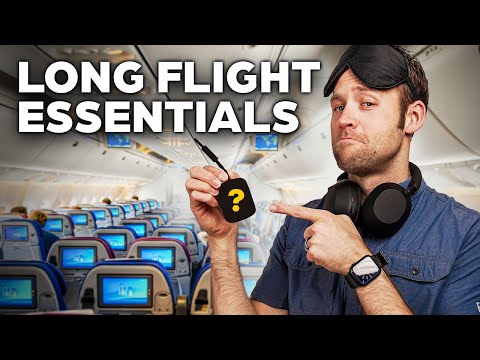
Preparing your body and mind before departure sets the foundation for a smooth and comfortable journey ahead. You should adjust your sleep schedule a few days ahead to match your destination time zone precisely. Staying well hydrated and avoiding heavy meals prevents fatigue during the long flight and keeps you energized. A calm mental state helps you handle unexpected delays with ease and reduces travel anxiety significantly.
Wear loose clothing made from breathable fabrics to ensure maximum comfort throughout the entire long trip. Compression socks improve circulation and prevent swelling in your legs during long periods of sitting. Bringing a small travel pillow supports your neck and helps you rest better on the plane. These simple adjustments make a huge difference in how you feel upon landing at your final destination.
Establishing a routine for the flight helps maintain a sense of normalcy while traveling far away from home. Listen to calming music or practice deep breathing exercises to manage stress effectively during the trip. Avoid consuming alcohol because it dehydrates you and disrupts sleep patterns at high altitude. Taking short walks down the aisle keeps your muscles active and prevents stiffness from building up.
Optimize your seating comfort
Choose the right seat for your needs
Choosing the right seat for your needs greatly impacts your overall comfort on a long journey. Window seats offer a wall to lean against for sleeping, while aisle seats provide easy access to restrooms and more legroom. Bulkhead rows usually have extra space, but they may lack underseat storage for your belongings. Checking seat maps online before booking helps you secure the best spot for your travel.
Bring a lightweight blanket and an eye mask to block out light and stay warm. Earplugs or noise-canceling headphones shield you from engine noise and crying babies during the flight. Adjusting the air vent to blow gently on your face prevents overheating while you sleep. Small comfort items transform a cramped cabin into a much more restful environment for the traveler.
Reclining your seat slightly improves your posture and reduces back pain over several hours of travel. Keeping your feet flat on the floor or using a footrest prevents leg cramps and stiffness. Removing your shoes allows your feet to breathe and reduces swelling during the long journey. These minor tweaks ensure you arrive at your destination without experiencing severe physical discomfort or pain.
Entertainment and time passing
Keeping yourself entertained makes a long journey feel shorter and more enjoyable throughout the flight. Download movies, books, or podcasts before you leave home to avoid relying on spotty Wi-Fi. Creating a playlist of your favorite songs sets a pleasant mood throughout the entire trip. Planning activities ahead ensures you never run out of things to do, and a fully charged portable power bank keeps your devices running smoothly without interruption.

- Downloaded movies and series
- Audiobooks and podcasts
- Portable gaming devices
- Language learning apps
- Travel journals and sketchbooks
- Puzzle books or crosswords
Solving puzzles or playing mobile games engages your brain and distracts you from unexpected turbulence. Learning a few phrases in the local language can be a fun and productive use of time. Writing in a journal helps you reflect on your travel goals and document precious memories. These mental exercises keep your mind sharp and occupied during the long flight without feeling bored.
Stretching your legs and doing simple in-seat exercises prevents stiffness and promotes healthy blood flow. Watching a captivating series can transport you to another world and make hours disappear quickly. Taking photos of the clouds from the window adds a unique perspective to your journey. Variety in your activities ensures you remain fully engaged from takeoff to landing at your destination.
Eating and drinking right
Fuel your body with smart choices
Fuel your body with smart choices to maintain energy and avoid sluggishness during the long trip. Eating light meals rich in protein and vegetables prevents the heavy feeling that comes with greasy airline food. Avoiding excessive salt reduces bloating and keeps you comfortable throughout the flight. Staying hydrated with water is absolutely essential because cabin air is extremely dry and dehydrating.
Bring your own snacks like nuts, fruits, or granola bars to avoid expensive airport prices. Crispy vegetables such as carrots and celery provide a refreshing crunch without adding unnecessary calories. Limiting caffeine intake after noon helps you sleep better when it is time to rest. Avoiding alcohol prevents dehydration and improves the overall quality of your sleep at high altitude.
Scheduling your meals according to the destination time zone helps reset your internal body clock. Eating small portions frequently instead of one large meal keeps your digestion smooth and comfortable. Chewing sugar-free gum during ascent and descent relieves pressure in your ears effectively. These dietary adjustments contribute significantly to your overall well-being upon arrival at your final destination.
Health and wellness strategies
Maintaining your health during a long flight requires specific strategies to combat the dry cabin environment. Moving your body regularly prevents blood clots and reduces the risk of deep vein thrombosis. Washing your hands frequently and using hand sanitizer protects you from germs shared in tight spaces. Moisturizing your skin and using lip balm combats the dry air effectively and prevents painful cracking.
Performing simple stretches while seated keeps your muscles active and improves circulation in your legs. Flexing your ankles and rotating your wrists relieves tension built up from sitting in one position. Standing up and walking down the aisle every hour or so promotes better blood flow. These small movements make a noticeable difference in how your body feels after landing safely and comfortably.
Managing your sleep schedule is vital for arriving well-rested and ready to explore your destination. Using natural sleep aids like melatonin or lavender spray can help you fall asleep faster. Wearing comfortable clothing and keeping your seatbelt visible ensures you can sleep safely without interruptions. Prioritizing rest during the flight sets a positive tone for the entire trip ahead and beyond.
| Strategy | Benefit | Frequency | Purpose |
|---|---|---|---|
| Walking | Improved circulation | Every hour | Prevent stiffness |
| Hydration | Moisturized skin | Constant | Combat dry air |
| Stretching | Reduced tension | Every 30 mins | Relax muscles |
Arrival preparation
Ease into your new time zone
Ease into your new time zone by adjusting your watch and mindset as soon as you board. Avoiding long naps during the flight helps your body sync with the destination schedule effectively. Exposing yourself to natural sunlight upon arrival resets your circadian rhythm quickly and naturally. Planning your first day lightly gives you room to recover from the long journey ahead, and staying awake until the local evening ensures you sleep well that night.
Changing into fresh clothes after landing makes you feel rejuvenated and ready for new experiences. Drinking plenty of water continues the hydration process started during the flight and keeps you alert. Eating a light, healthy meal replenishes your energy without causing a food coma or sluggishness. Taking a short walk helps your legs recover from prolonged sitting and promotes healthy blood flow.
Organizing your belongings before deplaning saves time and reduces stress at the baggage claim area. Checking your travel documents ensures you have everything needed for customs or ground transportation. Reflecting on the journey allows you to appreciate the effort it took to arrive safely. A positive mindset going forward makes the entire travel experience worthwhile and deeply rewarding to yourself.
Frequently asked questions
What should I wear on a long flight?
Wearing comfortable, loose-fitting clothes made from breathable fabrics is essential for a long journey. Layers are ideal because cabin temperatures can fluctuate significantly throughout the entire trip. Compression socks help improve circulation and prevent swollen ankles during the flight. Avoid tight waistbands or restrictive shoes that might dig into your skin after several hours of sitting.
How can I sleep better on a plane?
Sleeping better on a plane requires creating a dark and quiet environment around you. Using an eye mask and earplugs blocks out light and engine noise effectively. Bringing your own neck pillow provides much better support than the standard airline cushion. Avoiding caffeine before the flight and taking a light meal helps your body relax naturally.
Should I take medication for flight anxiety?
Consulting a doctor before taking any medication for flight anxiety is always the safest approach. Natural remedies like deep breathing exercises or herbal teas can calm your nerves without side effects. Focusing on steady breathing patterns helps regulate your heart rate during unexpected turbulence. Distracting yourself with movies or music shifts your mind away from stressful thoughts and feelings.
How often should I walk during the flight?
Walking every one to two hours is recommended to maintain good circulation and prevent stiffness. Even small stretches at your seat can alleviate pressure on your lower back. Staying hydrated encourages you to get up and use the restroom regularly. Moving your legs and feet while seated also promotes healthy blood flow throughout the entire journey.
What snacks are best for a long flight?
Nuts, dried fruits, and whole grain crackers make excellent snacks for a long flight. These options provide sustained energy without causing a sugar crash later on during the trip. Avoiding salty chips helps prevent dehydration and bloating while you are sitting for hours. Packing your own food ensures you have healthy choices available when airline meals are limited.
Following these guidelines ensures your next long journey is significantly more pleasant and productive overall. Prioritizing comfort and planning ahead transforms a tedious flight into a manageable part of your travel experience. Safe travels and enjoy your destination while making wonderful memories along the way. Taking care of yourself during the flight makes every single mile worth the effort.