


Enduring a long journey requires careful preparation and smart choices to stay comfortable throughout the entire trip. You need the right gear, clothing, and mindset to survive sixteen hours in the air without feeling exhausted. Rest well by planning your sleep schedule and booking the best seat possible for maximum comfort and relaxation. Follow these strategies to make your time in the sky much more bearable and enjoyable for everyone.
20 hour flight tips for packing

Packing for a long trip requires smart organization to avoid excess baggage fees and stress at the airport. You should roll your clothes tightly to save space and minimize wrinkles during the long journey without any hassle. Choose versatile clothing items that can be mixed and matched to create multiple outfits without overpacking your heavy luggage. Always place heavier items near the wheels of your suitcase to maintain balance while moving through crowded terminals today.
Compression socks help improve blood circulation in your legs during extended periods of sitting comfortably. Stay hydrated by drinking plenty of water instead of relying on caffeinated beverages that dehydrate your body quickly. Pack noise-canceling headphones to block out engine noise and create a peaceful environment for resting during the flight. Bring a reusable water bottle and fill it after passing through security checkpoints before your boarding time.
Consider bringing a small neck pillow that provides proper support for your cervical spine while sleeping upright. Keep essential documents like passports and boarding passes easily accessible in a designated pocket for security. Pack snacks like nuts or dried fruit to avoid expensive airport food options during the long journey. A lightweight blanket can offer warmth if the cabin temperature drops unexpectedly during the night flight.
Packing for long journeys
Preparing your carry-on bag properly ensures you have everything you need during the flight without checking expensive luggage. Focus on bringing items that serve multiple purposes to save space and weight in your personal bag easily. Include a change of clothes in your carry-on in case your checked bag gets delayed or lost today. Essentials like medications, chargers, and travel pillows must always stay with you for safety and comfort.
Managing carry-on essentials
Keep your valuables and electronics in an easily accessible compartment for quick retrieval during security screening today. A toiletry bag with travel-sized liquids prevents spills and keeps your belongings organized throughout the long flight. Remember to pack lip balm and hand cream because cabin air tends to dry out your skin very quickly. A small first aid kit can address minor health issues and provide peace of mind.
Ziplock bags are excellent for storing wet swimsuits or containing messy snacks during the long trip today. Label your luggage clearly with your name and contact information to avoid confusion at the baggage carousel. Rolling your shirts and pants instead of folding them reduces wrinkles and maximizes available space in your bag. This method keeps your clothes looking neat and presentable while traveling across different time zones easily.
Seat selection strategies
Choosing the right seat can dramatically improve your overall comfort during a sixteen hour flight experience. Window seats offer a place to rest your head against the wall and enjoy the view without being disturbed by passing passengers. Aisle seats provide easy access to the restroom and more legroom when standing up to stretch your legs frequently. Exit rows often provide extra space but may have restrictions on storing bulky belongings during takeoff and landing.
Book your seat as early as possible since the best options disappear quickly once reservations open. Families with small children should avoid the rear of the plane where noise levels tend to be higher throughout the journey. Consider paying extra for premium seating if your budget allows for a significantly more comfortable travel experience. Checking seat maps online helps you compare legroom and proximity to lavatories.
Avoid seats near the galley because crew members frequently walk through and create loud noise during the night. Reclining seats can cause significant discomfort for passengers behind you, so always be mindful of your surroundings. Sitting over the wings generally provides a smoother ride with less turbulence felt during the entire flight. Always double check the seat configuration before finalizing your booking to ensure complete accuracy and safety. Booking an aisle seat gives you much more freedom to move around without disturbing other travelers nearby.
- Bring a portable charger to keep your devices powered throughout the trip.
- Wear loose fitting clothing to maintain comfort during extended periods of sitting.
- Use earplugs to block out disruptive sounds from other passengers and engines.
- Pack a lightweight blanket for warmth when the cabin temperature drops.
- Stay active by walking down the aisle every few hours.
- Bring a book or download movies to pass the time easily.
In-flight comfort methods
Maintaining comfort during a long flight requires active effort and proper preparation before you takeoff. Adjust your seat position immediately after boarding to find the most ergonomic angle for your back and neck. Wear layers of clothing because cabin temperatures fluctuate throughout the day and night cycle. Stay hydrated by drinking water regularly since the dry cabin air dehydrates your body quickly. Bring a travel pillow to support your head and prevent stiffness during extended periods of rest.
Optimizing sleep environment

Use a hydrating facial mist to keep your skin moisturized and prevent dryness during the long flight. Avoid consuming alcohol because it exacerbates dehydration and disrupts your sleep cycle at high altitudes significantly. A small personal humidifier can add moisture to the dry air around your immediate seating area today. Keep your feet warm with socks to improve circulation in the confined space of the airplane cabin.
Perform gentle stretches in your seat to alleviate tension and reduce the risk of deep vein thrombosis. Walk up and down the aisle every two hours to keep your blood flowing properly through your legs. Avoid crossing your legs for extended periods as it restricts blood flow to your lower extremities significantly. Deep breathing exercises help oxygenate your blood and reduce anxiety during the long journey across the sky.
Comparing travel essentials
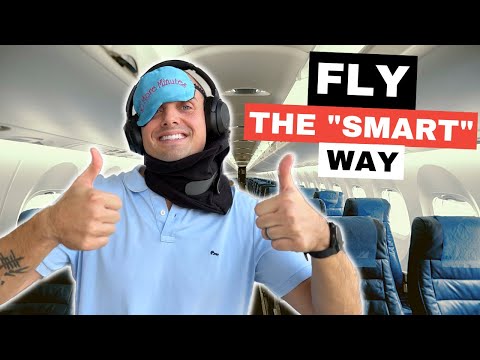
Selecting the right travel essentials can make the difference between an exhausting trip and a comfortable journey. You must compare various items to determine which ones genuinely improve your experience during those sixteen hours in the air. A good travel pillow supports your neck and prevents painful stiffness from sleeping in awkward positions throughout the flight. Noise cancelling headphones block out engine sounds and create a peaceful environment for resting without constant interruptions.
Packing a versatile scarf can serve as a blanket, neck support, or fashion accessory during your travels. Compression garments help maintain healthy circulation when you sit still for many hours without moving your legs frequently. A high quality eye mask blocks out light and signals your brain that it is time to sleep. Packing cubes keep your belongings organized and save space in your luggage.
Bring an empty water bottle to fill after security checks and stay hydrated throughout the entire flight. Earplugs are a simple yet effective way to reduce noise and improve your sleep quality during the trip. A small toiletry bag with essentials prevents leaks and keeps your items easily accessible at all times. Always check airline regulations before packing liquids to avoid confiscation at the gate.
| Item | Purpose | Benefit | Drawback |
|---|---|---|---|
| Travel Pillow | Neck support | Prevents stiffness | Bulky to carry |
| Noise Cancelling Headphones | Sound isolation | Blocks engine noise | Expensive price |
| Compression Socks | Circulation | Reduces swelling | Tight fit |
| Eye Mask | Light blockage | Improves sleep | Limited visibility |
Sleep and rest techniques
Getting quality sleep on a plane is challenging but achievable with the right approach and preparation. Establish a bedtime routine that signals your body it is time to rest despite the unusual environment. Avoid screens for at least one hour before you try to sleep because blue light disrupts your natural melatonin production. Use a neck pillow to keep your head stable and prevent painful neck strain during the long journey.
Optimizing sleep environment
Wear comfortable clothing that does not restrict blood flow or cause overheating during the long flight. Consider taking a natural sleep aid after consulting with your doctor about potential interactions with other medications. Keep the window shade open slightly to align your circadian rhythm with the destination time zone. Avoid caffeine in the hours leading up to your planned sleep period on the aircraft.
Set an alarm to ensure you do not sleep through your destination or important meal services. Practice deep breathing exercises to calm your mind and relax your muscles before attempting to fall asleep. Use earplugs and an eye mask to block out distractions from surrounding passengers and cabin lighting. A short nap earlier in the flight can help you sleep better later.
Frequently asked questions
How do I survive a twenty hour flight?
Surviving a twenty hour flight requires careful planning and the right mindset before your actual departure today. Bring essential items like a neck pillow, snacks, and entertainment to keep yourself occupied during the flight. Stay hydrated by drinking plenty of water and avoid alcohol or caffeine that dehydrate your body very quickly. Move around the cabin regularly to stretch your legs and improve blood circulation during the long flight safely. Following these steps makes the long journey much more manageable and significantly less stressful for you today.
What should I wear on a long flight?
Wear loose, breathable clothing made from soft materials that do not restrict your movement during the long trip. Layering is essential because cabin temperatures change frequently throughout the flight from cold to warm conditions outside. Choose comfortable shoes that are easy to remove during security checks and while sitting for extended periods of time. Avoid tight jeans or restrictive garments that can cause discomfort and swelling in your legs significantly over the entire trip.
How can I sleep better on a plane?
Sleep better on a plane by using a supportive neck pillow that keeps your spine aligned properly during the flight. Block out light with a comfortable eye mask and reduce noise with soft earplugs or noise cancelling headphones for better rest. Avoid heavy meals right before bedtime and stick to your normal sleep schedule as much as possible every night. A short warm shower before boarding can relax your muscles and prepare you for rest and sleep very well.
What items are not allowed in carry on luggage?
Liquids in containers larger than three point four ounces are generally prohibited in carry on luggage today without exception. Sharp objects like knives, scissors, and tools must be placed in your checked baggage instead of your hand luggage safely. Most aerosol sprays and gels are restricted unless they fit within a clear quart sized bag for travel purposes. Always check your specific airline regulations before packing liquids to avoid confiscation at the security checkpoint immediately today.
How often should I walk around during a flight?
You should walk around the cabin every two hours to promote healthy blood circulation in your legs regularly and safely. Sitting still for too long increases the risk of developing blood clots or deep vein thrombosis significantly over the entire trip. Simple ankle rotations and calf stretches at your seat can also help prevent stiffness and swelling effectively during the long flight. Staying active during the flight reduces fatigue and improves your overall comfort and well-being throughout the entire journey across the globe.
Implementing these strategies will help you arrive at your destination feeling refreshed and ready for your adventures today without stress. Proper preparation transforms a grueling journey into a manageable experience that you can actually survive with minimal stress and anxiety. Always prioritize your comfort and health above saving a few dollars on seat selection or baggage fees during the trip safely. Safe travels and enjoy your upcoming trip across the globe while creating wonderful memories for yourself and your family always.