


Planning a journey abroad requires careful thought and thorough preparation for any unexpected situations that might arise. You must thoroughly research your destination to understand local customs and cultural norms before you finally arrive. Booking flights early saves money and gives you more options for choosing the best available seats on planes.
preparing for overseas trips
Preparing for overseas trips starts with checking your passport validity and ensuring you have enough blank pages for stamps. You should also research visa requirements early because processing times vary significantly across different countries and regions worldwide. Getting necessary vaccinations is another important step to protect your health while exploring foreign destinations around the globe. Checking entry rules helps you avoid unexpected delays at immigration checkpoints when you reach your final destination abroad.
Always double check your passport expiration date because many countries require at least six months of validity before allowing entry. Making copies of your passport and storing them separately provides a backup if the original document gets lost or stolen during transit.
packing smart for trips abroad
Packing smart for trips abroad means selecting versatile clothing that works for multiple climates and diverse cultural settings. Choosing moisture-wicking fabrics keeps you comfortable during long walks through crowded city streets and outdoor markets today. Rolling your clothes saves space and reduces wrinkles inside your luggage during long journeys across various time zones. Always include a basic first aid kit with essential medications to handle minor health issues while traveling safely.
Staying hydrated and eating balanced meals helps your body adjust to new environments and unfamiliar foods abroad daily. Carrying a basic first aid kit allows you to handle minor injuries without seeking immediate medical care abroad. Getting plenty of rest prevents fatigue which can weaken your immune system during long flights and trips abroad. Wearing comfortable shoes prevents blisters and ensures you can walk for hours without experiencing foot pain abroad.
budgeting for foreign journeys
Budgeting for foreign journeys requires tracking your daily expenses and setting aside extra funds for unexpected emergencies abroad. You should create a detailed spreadsheet to monitor your spending habits and adjust your travel plans accordingly today. Having a clear financial plan prevents stress and allows you to enjoy your time without constant worry abroad. Keeping some cash on hand is wise in case cards are not accepted in certain remote areas abroad.
Exchange rates fluctuate constantly so converting currency at the right moment can save you substantial amounts of money. Using local ATMs often provides better rates than airport kiosks or hotel exchange desks for foreign currency exchange. Avoiding dynamic currency conversion protects you from unfavorable fees during transactions overseas every single day abroad today. Learning the local exchange rate before you arrive prevents you from accepting poor conversion offers from vendors abroad.
Avoiding tourist traps helps preserve your budget while allowing you to experience authentic local cuisine and rich culture. Street food markets offer delicious meals at a fraction of the cost found in nearby restaurants downtown today. Walking instead of taking taxis provides exercise and lets you discover hidden gems along the way during your trip. Free museum days allow you to enjoy art and history without spending money on expensive entrance tickets abroad.
- Research free walking tours to explore cities without spending much money on guided excursions.
- Cook meals in hostels instead of dining out every single night to cut food costs.
- Use public transportation rather than taxis to move around town efficiently and affordably.
- Book accommodations early to secure lower nightly rates during peak vacation seasons.
- Carry a reusable water bottle to avoid buying expensive drinks throughout the day.
- Track spending with a mobile app to stay within your daily financial limits.
managing health and safety
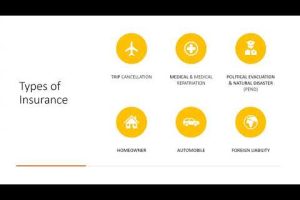
Managing health and safety starts with purchasing comprehensive travel insurance before you leave your home country today. You must also pack prescription medications in your carry-on luggage to avoid losing them during international transit. Checking destination health advisories ensures you are aware of any required vaccinations or prevalent diseases there today abroad. Bringing hand sanitizer and wipes helps you maintain cleanliness when soap and water are unavailable abroad today.
Staying hydrated and eating balanced meals helps your body adjust to new environments and unfamiliar foods abroad daily. Carrying a basic first aid kit allows you to handle minor injuries without seeking immediate medical care abroad. Getting plenty of rest prevents fatigue which can weaken your immune system during long flights and trips abroad. Wearing comfortable shoes prevents blisters and ensures you can walk for hours without experiencing foot pain abroad.
Researching local emergency numbers and locating the nearest embassy provides important support if problems arise unexpectedly abroad. Learning basic phrases in the local language can help you communicate your needs to medical professionals quickly abroad. Keeping digital copies of your documents ensures you can recover vital information if originals are lost or stolen. Avoiding risky activities and following local safety guidelines protects you from accidents during your stay abroad today.
understanding cultural differences
Understanding cultural differences is essential for showing respect and building positive connections with local communities abroad today. Observing how locals greet each other reveals important social norms that you should follow during your visit abroad. Dressing modestly at religious sites demonstrates cultural sensitivity and helps you avoid offending local residents abroad today. Learning basic gestures prevents misunderstandings that could inadvertently cause offense during your stay in foreign countries today.
Food customs vary greatly across regions so always ask before taking photos of meals or local dishes abroad. Tipping practices differ worldwide and researching them beforehand prevents awkward situations at restaurants and cafes abroad today. Respecting quiet zones in temples and libraries shows consideration for local traditions and peaceful environments abroad today. Embracing local etiquette enriches your travel experience and fosters mutual respect between you and the community abroad.
Gift giving customs require attention to color and wrapping paper choices in many Asian and European cultures abroad. Punctuality is highly valued in some countries while others embrace a more relaxed approach to time abroad. Removing shoes before entering homes is a common practice in numerous cultures across the Asian continent abroad. Showing genuine curiosity about local traditions opens doors to authentic experiences and deep cultural friendships abroad today.
| Country | Greeting | Dress Code | Dining Etiquette |
|---|---|---|---|
| Japan | Bow | Modest | Chopsticks |
| France | La Bise | Smart | Bread on table |
| India | Namaste | Cover shoulders | Eat with right hand |
planning your itinerary

Planning your itinerary involves balancing popular attractions with free time to explore spontaneously and freely abroad today. Researching opening hours prevents wasted trips to closed museums and tourist sites during your vacation abroad today. Prioritizing must-see landmarks ensures you see the most famous places without rushing through your entire trip abroad today. Consulting local guides provides insider knowledge about hidden gems that standard travel guides often overlook completely abroad.
Booking accommodations near major sights reduces transit time and lets you maximize your daily sightseeing hours abroad. Reading reviews from past guests helps you choose safe and comfortable places to rest each night abroad today. Checking proximity to public transport saves you time and money when moving between different neighborhoods daily abroad. Flexible booking policies allow you to change plans easily if weather or personal schedules shift unexpectedly abroad.
Leaving gaps in your schedule allows for relaxation and unexpected discoveries that enrich the overall journey abroad. Using public transportation offers an authentic view of daily life that tours cannot always provide abroad today. Mapping out walking routes helps you stay active while discovering charming streets and local landmarks abroad today. Balancing structured plans with spontaneous exploration creates the perfect mix of efficiency and adventure during your trip.
frequently asked questions
Is overseas travel safe for solo travelers?

Yes, overseas travel can be very safe for solo travelers if you take proper precautions and stay aware. Researching your destination beforehand helps you avoid dangerous neighborhoods and understand local laws that protect visitors abroad. Sharing your itinerary with family ensures someone knows your whereabouts during your journey across different countries abroad today. Keeping emergency contacts saved on your phone provides immediate help if unexpected situations arise while traveling abroad.
How much money should I budget for global trips?
Budgeting for global trips depends heavily on your destination and preferred style of accommodation and dining abroad. Backpackers often spend less than luxury travelers because they choose hostels and street food over expensive hotels abroad. Tracking daily expenses with an app helps you maintain control over your finances while exploring new places abroad. Setting aside extra funds for emergencies ensures you can handle unexpected costs without cutting your trip short.
What documents do I need for traveling abroad?
Traveling abroad requires a valid passport with at least six months of remaining validity before your departure date. Many countries also require visas which you must obtain from embassies or consulates prior to your arrival abroad. Keeping digital and physical copies of these documents protects you if originals are lost or stolen during transit. Checking visa requirements early prevents last-minute stress and ensures smooth entry into your chosen destination abroad.
When is the best time to book flights for trips abroad?
Booking flights for trips abroad early usually secures better prices and gives you more seat options abroad. Avoiding peak holiday seasons helps you skip crowds and reduces the cost of airfare significantly every year abroad. Using fare comparison websites lets you track price drops and book at the perfect moment for your needs abroad. Setting fare alerts notifies you when prices drop so you can purchase tickets at the lowest possible cost.
How can I avoid getting sick while traveling overseas?
Avoiding illness while traveling overseas requires careful attention to food safety and personal hygiene practices daily abroad. Drinking bottled water and washing fruits thoroughly prevents stomach issues caused by unfamiliar bacteria in foreign destinations abroad. Getting travel vaccinations before departure builds your immunity against diseases common in the regions you plan to visit abroad. Carrying basic medications like anti-diarrheal pills helps you manage minor health issues without seeking immediate medical care.
Embracing new cultures and landscapes broadens your perspective and creates lasting memories for years to come abroad. Every journey teaches you something valuable about yourself and the wonderful diversity of our shared world abroad today. Start planning your next adventure now and discover the incredible experiences waiting for you across the globe today. Safe travels and enjoy every moment of your upcoming journey to exciting destinations around the world abroad today.