



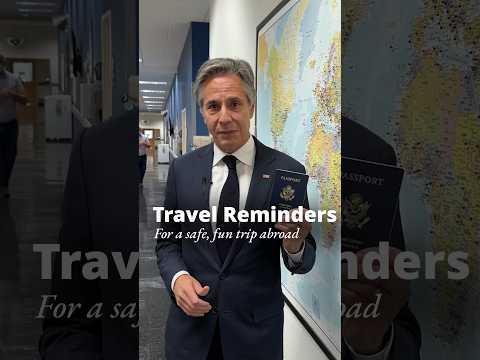
The department of state travel office provides essential services for Americans planning international trips abroad. Citizens can access passport information, visa requirements, and safety alerts through official government channels online. Travelers should register with the Smart Traveler Enrollment Program before departing on international journeys overseas. This program helps embassies locate and assist citizens during emergencies in foreign countries.
Passport and visa requirements
Passport and visa requirements vary significantly depending on your destination country and your specific citizenship status. The federal travel office publishes updated validity rules for every destination worldwide that American citizens visit frequently. Most countries require several months of validity remaining on your passport before you arrive at their border. Some nations also demand blank pages for entry and exit stamps during your international journey. Visas may be required depending on your trip purpose and the length of your planned stay abroad.

Processing times differ significantly based on your location and the current volume of applications at regional agencies. Standard service typically takes several weeks for first-time applicants submitting documents in person at acceptance facilities. Expedited options may reduce wait times to a shorter timeframe for an additional government fee. Always verify current processing estimates before making nonrefundable flight reservations or hotel bookings abroad.
Passport photos must meet specific dimensions and background requirements set by federal authorities for all adult applicants. Digital submissions often require neutral facial expressions and no hats or sunglasses appearing anywhere in the image file. Children under sixteen need written consent from parents or legal guardians when applying together at the same time. Renewals may be possible by mail if your previous passport is undamaged and issued within the last several years.
Department of state travel enrollment programs
Department of state travel enrollment programs help citizens register their trips with federal authorities before departure. The Smart Traveler Enrollment Program allows travelers to share their detailed itinerary with nearest embassy officials. Registration creates a permanent record that assists consular staff during natural disasters or civil unrest in host countries. Participants receive important safety updates and contact information for local diplomatic offices through email notifications.
Smart traveler program
This program enables the federal government to locate and assist you during emergencies abroad. Registration takes only a few minutes through the official online portal system available to all citizens. Travelers receive real-time alerts about security situations and health advisories in their destination country. The service is completely free and available for all types of international travel itineraries.
Additional enrollment options exist for specific groups like students, volunteers, and long-term expatriates living overseas permanently. Family members can register together under one primary account with separate profiles created for each individual traveler. Corporate travel coordinators may use specialized channels to track employees on business trips abroad frequently. Regular updates keep registrants informed about changing conditions and new safety recommendations issued regularly.
Pre-departure checklist
Preparing for international travel requires careful attention to documentation and health prerequisites before your departure day arrives. Travelers must verify passport validity and obtain necessary visas for their specific destination country in advance. Prescription medications should be packed in original containers with copies of prescriptions from your treating physician. Travel insurance covering medical evacuation and trip cancellation provides essential financial protection abroad during emergencies.
- Check passport expiration dates well before departure
- Register with the Smart Traveler Enrollment Program online
- Obtain required visas and vaccination certificates for entry
- Copy important documents and store them separately from originals
- Research local laws and customs for your destination country
- Pack prescription medications in original containers with labels
Safety and alerts
Safety and alerts vary widely across different regions and change frequently throughout the year. The federal travel office issues travel advisories that rank countries by risk level for American visitors. Travelers should monitor official websites for updates on political unrest, natural disasters, and health emergencies abroad. Registering with embassy programs ensures you receive timely notifications about dangerous conditions in your destination.
Emergency resources
Emergency resources include round-the-clock consular hotlines available for citizens facing crises overseas without delay. Embassies can assist with lost passports, medical emergencies, and victimization by crime while traveling abroad. Local police and hospital contacts vary by country and should be researched thoroughly before departure. The federal government maintains comprehensive databases with emergency contact information for every diplomatic post worldwide.
Travelers should register their trip details with local authorities upon arrival in high-risk destinations abroad. Emergency evacuation insurance covers extraction costs during natural disasters or political instability in host countries. Families should establish communication plans and share itinerary details with trusted contacts at home regularly. Regular check-ins with embassy staff help maintain awareness of your safety status during extended stays.
Country comparison table
Different countries present unique requirements for entry, documentation, and health precautions that travelers must understand thoroughly. Entry rules change frequently based on diplomatic relations and public health conditions in each destination nation. Some destinations demand proof of vaccination while others require quarantine upon arrival for certain travelers. Researching specific country requirements prevents delays and potential denial of entry at border crossings.
| Country | Visa Required | Vaccination Proof | Entry Duration |
|---|---|---|---|
| Japan | No | Not Required | Extended Stays |
| Brazil | Yes | Yellow Fever | Extended Stays |
| India | Yes | Multiple | Shorter Visits |
Returning home
Returning home after international travel involves customs declarations and adherence to agricultural restrictions at ports of entry. Travelers must declare goods purchased abroad and pay applicable duties on items exceeding personal exemption limits. Federal authorities inspect luggage for prohibited items including certain foods and animal products from foreign countries. Understanding reentry rules prevents confiscation of property and potential fines upon arrival at home.
Reentry procedures
Reentry procedures require travelers to present their passport and customs declaration forms to border officials promptly. Duty-free allowances vary by destination and length of absence from the United States for returning residents. Declaring items accurately avoids legal penalties and delays during the inspection process at ports. Officers may ask about the purpose of travel and items acquired during your international trip.
Passports should be checked for remaining validity before returning to ensure smooth entry back home safely. Travelers with expired documents may face delays or be denied boarding for return flights to the United States. Keeping copies of entry stamps helps verify legal status during future international departures abroad. Planning ahead for reentry simplifies the process after extended stays in foreign countries overseas.
Frequently asked questions
How do I apply for a passport?
You apply at acceptance facilities like post offices and clerks of court with form DS-11 completed. First-time applicants must appear in person with proof of citizenship and a recent passport photo. Processing times vary by agency and current application volume across regional acceptance offices. Fees depend on your age and whether you select standard or expedited service options.
What documents are needed for international travel?
Valid passport, visa if required, and proof of vaccination may be needed depending on your specific destination. Return flight tickets and hotel reservations sometimes serve as evidence of intent to depart from foreign countries. Travelers should carry insurance documents and emergency contact information during their journey abroad. Copies of all documents stored separately help if originals are lost or stolen overseas.
How long does passport processing take?
Standard processing typically requires several weeks for routine applications submitted at acceptance facilities nationwide. Expedited service reduces wait times to a shorter timeframe for an additional government fee required. Some agencies offer even faster options for life-or-death emergencies with proper documentation and identification. Check current processing times on official websites before submitting your application materials in person.
Can I travel with an expired passport?
Most countries reject entry with expired passports regardless of the reason for expiration or delay. Some nations allow entry with expired passports if they were issued within the last several years. Renewing an expired document usually takes several weeks so plan ahead before departure. Emergency passport services exist for urgent travel but require additional documentation and fees paid.
What is the Smart Traveler Enrollment Program?
STEP is a free service that helps the government locate and assist you during emergencies abroad. Registration provides embassy staff with your itinerary and contact information for crisis communication purposes. Participants receive security alerts and updates about conditions in their destination country regularly. The program benefits travelers visiting regions with political instability or natural disaster risks overseas.
Planning international trips requires careful preparation and attention to official requirements from federal travel authorities abroad. Citizens should verify all documentation well before departure to avoid last-minute complications or cancellations of their flights. Registering with embassy programs adds an important layer of safety during unexpected emergencies overseas. Staying informed about destination conditions helps ensure a secure and successful journey abroad for all travelers.