


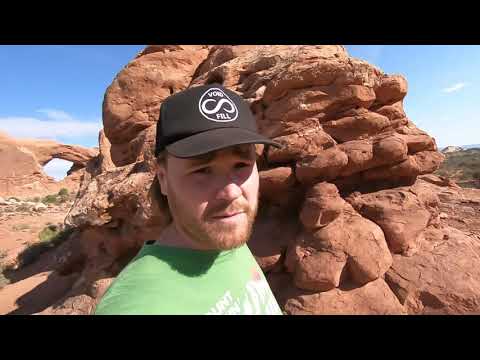
Planning a trip to Arches means driving through stunning canyon country to see famous sandstone formations up close and personal. You will want to know the best route, entry fees, and ideal season for comfortable sightseeing throughout your entire visit. This guide covers everything you need for a memorable and enjoyable experience in the beautiful park. Proper planning helps ensure smooth travels and amazing discoveries along the scenic route.
Choose the Best Season
Choosing the best season for your visit means considering mild temperatures and smaller crowds during spring and fall months. Summer brings extreme heat that makes hiking uncomfortable while winter offers solitude but requires warm clothing for cold nights. Planning around weather patterns ensures a safer and more enjoyable experience at the park throughout the entire year. Unexpected weather surprises or travel delays can happen anytime so prepare accordingly for your upcoming trip.
You should book campsites or hotels months in advance during peak tourist seasons at the Arches National Monument area. Popular areas fill up very quickly especially near Devil’s Garden and the Windows Section scenic overlooks. Early reservations guarantee you a good spot close to the main hiking trails and famous sandstone formations nearby. This careful preparation reduces stress and lets you focus fully on enjoying the beautiful surrounding scenery without rushing around.
Spring brings beautiful wildflowers and pleasant daytime temperatures that are perfect for long hikes along the many trails. Fall offers golden light and cooler evenings that are ideal for photography enthusiasts capturing stunning images of the formations. Both seasons provide the most comfortable conditions for exploring the park trails and scenic viewpoints throughout the day. Avoid summer if possible due to dangerous triple-digit heat and limited shade throughout the entire area.
Arches National Park Road Trip Scenic Drives

Scenic drives through Arches showcase towering sandstone arches and dramatic red rock formations visible from the road. The main park road provides easy access to iconic landmarks like Delicate Arch and Balanced Rock without strenuous hiking. Visitors can stop at multiple viewpoints along the paved route for spectacular photo opportunities throughout the day. This scenic route remains open year-round but check for seasonal closures during winter storms. The drive typically takes about two hours with many pull-offs for short walks.
Delicate Arch Viewpoint
The Delicate Arch Viewpoint requires a short walk from the parking area along a well-maintained trail that climbs gently upward. This famous arch appears especially striking during sunset when warm light illuminates the sandstone curves and creates dramatic shadows across the desert floor below. Photography enthusiasts often gather here to capture the iconic arch against the changing sky colors and surrounding landscape. The view offers a memorable perspective that represents the best of the park and makes the effort entirely worthwhile.
Other scenic drives include the Windows Section and Double Arch areas accessible via short spur roads along the main route. These routes offer stunning overlooks without requiring long hikes or extensive preparation beforehand for most visitors. Rangers recommend stopping at each viewpoint to appreciate the geological formations from different angles and perspectives. The park road connects all major attractions within a compact and easily navigable loop for convenient exploration throughout the day.
Top Stops Along the Way
Several stops along the route provide excellent opportunities to stretch, eat, and explore before entering the park boundaries and main area. Moab serves as the gateway city with plenty of restaurants, gas stations, and outdoor gear shops for weary travelers seeking supplies. The entrance station marks the official beginning of the scenic journey through red rock country and dramatic canyon walls nearby. Planning these stops ensures you stay fueled and ready for a full day of sightseeing and adventure throughout the region.
Arches National Park features numerous iconic formations that deserve dedicated exploration time during your visit to the area. Delicate Arch ranks as the most famous landmark and draws visitors from around the world each year for its beauty. Balanced Rock offers an impressive sight with its massive boulder perched atop a narrow pedestal of stone. Landscape Arch stretches as one of the longest natural arches in the entire park system and attracts many hikers.
The park maintains well-marked trails that lead to various arches and scenic overlooks throughout the canyon walls. Rangers suggest starting early in the morning to avoid crowds and enjoy cooler temperatures on the hiking trails. Water bottles and sunscreen remain essential items for any hike within the park boundaries during warm months. Proper planning helps protect both visitors and the fragile desert environment during their stay and preserves natural features.
- Stop at the Arches Visitor Center for maps and current trail conditions.
- Visit Park Avenue for a quick walk among towering sandstone fins.
- Hike to Landscape Arch for one of the longest spans in North America.
- Explore Double Arch for a unique perspective on two connected formations.
- Drive to Garden of Eden for scenic overlooks and peaceful views.
- Check the Windows Section for easy access to multiple arch formations.
Prepare Your Vehicle
Preparing your vehicle for the journey ensures reliable transportation through remote desert terrain and mountain roads ahead. Check tire pressure, oil levels, and coolant before departing on the long drive to the park entrance station. Spare tires and emergency supplies provide peace of mind when traveling through isolated areas with limited cell service available. A well-maintained car handles the rough park roads much better than neglected vehicles during long excursions.
Essential Vehicle Checks
Essential vehicle checks include inspecting brakes, fluids, and air conditioning systems before entering the park area. The desert heat can strain engines and cooling systems significantly during summer months of travel through remote regions. Clean windshield wipers improve visibility during sudden dust storms or brief rain showers that sweep across the canyon. Addressing mechanical issues beforehand prevents costly breakdowns far from nearest towns and available services for travelers.
Pack extra water and snacks for the drive since services remain limited near the park entrance area. GPS devices or downloaded maps help guide you through the sparse road network without relying on cell towers. Fuel stations in Moab fill quickly during peak season so arrive early for the best selection and availability. Keeping your tank at least half full reduces anxiety during long stretches between services and remote desert towns.
Compare Park Passes
Comparing park passes helps visitors choose the right option for their budget and travel plans throughout the year. Annual passes provide excellent value for frequent travelers exploring multiple national parks throughout the year with unlimited visits. Single entry fees offer flexibility for those visiting Arches without additional stops elsewhere or nearby attractions. Understanding pass options saves money and simplifies the entry process at the front gate before starting your journey.
| Pass Type | Cost | Duration | Best For |
|---|---|---|---|
| Single Entry | Standard Fee | Seven Days | One-time visitors |
| Annual Pass | Yearly Rate | One Year | Frequent travelers |
| America the Beautiful | Annual Fee | One Year | Multiple parks |
Annual passes provide excellent value for frequent travelers exploring multiple national parks throughout the year with unlimited visits. The America the Beautiful pass covers entrance fees at all federal recreation sites across the country for one low price. This option saves substantial money for road trippers planning extended journeys through several protected areas and landmarks. Choosing the right pass depends on your itinerary and how many parks you intend to visit during your travels.
Pass purchases can be made online or at the park entrance station before beginning your adventure each morning. Digital passes stored on phones offer convenience and quick access through automated gate systems at the entrance. Paper passes remain available for those who prefer physical documentation during their travels through remote areas. Always display your pass clearly on the dashboard to avoid any processing delays at entry points and ensure smooth entry.
Capture Perfect Photos
Capturing perfect photos at Arches requires planning around lighting conditions and popular viewpoints throughout the day for best results. Early morning visits provide soft light and fewer crowds for unobstructed shots of famous formations against the sky. Sunset creates dramatic shadows and warm colors across the red sandstone terrain and rock formations. Tripods help stabilize cameras during low light conditions when shutter speeds slow down significantly for sharper images.
Golden Hour Techniques
Golden hour techniques involve shooting during the first and last hours of sunlight for optimal results and beautiful colors. Warm tones enhance the natural red and orange hues of the sandstone formations beautifully during early morning hours. Position yourself to capture long shadows that add depth and dimension to arch photographs with striking contrast. Experiment with different angles to find unique perspectives that showcase the distinctive shapes and textures of the formations.
Midday sunlight creates harsh shadows that can detract from photo quality in the deep canyon areas. Overcast days offer diffused lighting that brings out subtle details in the rock textures and formations beautifully. Bring extra memory cards and charged batteries since shooting drains power quickly in cold morning hours. Respect other visitors by being mindful of their experience while taking photographs at popular spots throughout the park.
Frequently Asked Questions
When is the best time to visit?
Frequently asked questions help visitors prepare for their trip to Arches National Park by addressing common concerns and planning needs. Spring and fall offer the most comfortable temperatures for exploring without extreme heat or cold weather conditions. Summer months bring triple-digit temperatures that make hiking difficult during midday hours and limit outdoor activities. Winter visits provide solitude but require warm clothing for freezing mornings and nights throughout the region.

How much does it cost to enter?
Entrance fees vary depending on the type of pass purchased and the duration of your planned visit. Single entry passes provide seven days of access to the park for a standard fee at the entrance station. Annual passes offer better value for frequent visitors exploring multiple national parks throughout the year with unlimited entries. America the Beautiful passes cover entrance fees at all federal recreation sites nationwide for one affordable price.
Can I see the arches without hiking?
Yes, many iconic arches are visible from scenic drives and short paved trails near parking areas throughout the park. The main park road provides access to overlooks for Delicate Arch, Double Arch, and Windows Section without strenuous effort or long hikes. Visitor centers offer maps highlighting easy routes suitable for all fitness levels and abilities of any visitor. Scenic overlooks allow everyone to enjoy the stunning formations regardless of hiking experience or physical limitations.
What should I pack for the trip?
Pack plenty of water, sunscreen, and sturdy footwear for walking on rocky terrain throughout the day during your visit. Layers help adjust to temperature changes between cool mornings and warm afternoons in the desert environment of the canyon. A hat and sunglasses protect against intense sun exposure during hours of outdoor exploration at high elevations. Emergency supplies including first aid and snacks ensure safety during remote area visits far from major towns.
Are pets allowed in the park?
Pets are permitted in developed areas, parking lots, and along paved roads within the park boundaries. They must remain on leash no longer than six feet at all times during the visit. Pets are not allowed on most hiking trails or within the scenic drives themselves for wildlife protection. Leave pets at home or in pet-friendly accommodations near Moab for their safety and comfort.
Following these guidelines ensures a successful and enjoyable journey through one of America’s most photographed national parks and protected areas. Proper preparation and realistic expectations help maximize your time among the iconic sandstone formations and dramatic rock structures. Safe travels and happy exploring as you discover the natural wonders waiting along the scenic route each day. Taking time to plan each detail creates lasting memories during your adventure in the beautiful desert Southwest region.