


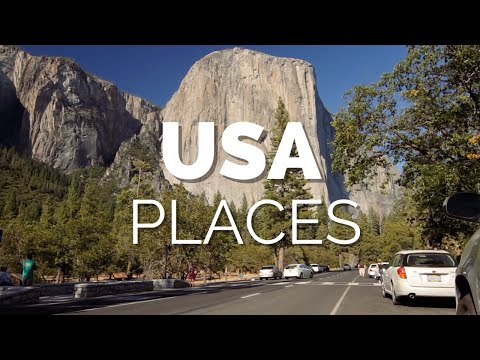
American travel offers diverse experiences from coastal cities to mountain retreats across the country. You can explore national parks historic landmarks and vibrant cultural scenes during your visit. Planning ahead helps you budget wisely and avoid crowds during peak tourist seasons. Research destinations early to secure better flights and accommodations for your journey abroad.
Plan Your Trip Carefully
Start planning your american travel adventure by choosing destinations that match your interests and budget carefully. Research seasonal weather patterns since climate varies greatly between regions during different months of the year. Create a flexible itinerary that balances famous attractions with hidden local gems and authentic cultural experiences worth pursuing. Book accommodations early to save money and ensure availability at popular tourist spots before peak travel seasons arrive.
Consider transportation options like renting a car or using domestic flights to reach remote areas across the country. Road trips offer freedom to stop at scenic viewpoints and small towns along the way during your journey. Train services connect major cities while buses provide budget-friendly alternatives for shorter distances within states and regions. Plan routes carefully to maximize sightseeing time and reduce transit fatigue throughout your entire travel experience.

Pack versatile clothing suitable for changing weather conditions across different climates and elevations throughout your trip. Include comfortable walking shoes for exploring urban neighborhoods and hiking trails in nature reserves and national parks. Carry essential documents like identification insurance cards and reservation confirmations in a secure organizer at all times. Keep digital copies of important papers stored safely on your phone or cloud service for easy access.
Choose Destinations Wisely
Select destinations that offer activities matching your travel style and physical comfort level throughout the year. Coastal cities provide beaches and waterfront dining while mountain towns deliver hiking and fresh air experiences for active visitors. Urban centers feature museums theaters and nightlife alongside historic districts worth exploring on foot during daytime. Research local events festivals happening during your visit dates to enhance your trip with memorable cultural moments.
Top City Picks
New York offers iconic landmarks like Central Park and Broadway shows for entertainment seekers visiting the city during peak seasons. San Francisco features the Golden Gate Bridge and cable cars as memorable photo opportunities during your stay there with family or friends. Chicago serves deep dish pizza alongside architecture boat tours along the Chicago River waterfront for culture lovers and history enthusiasts. Each city provides distinct cultural experiences that appeal to different interests and budgets while creating lasting memories for travelers.
Smaller towns often deliver more authentic cultural encounters than crowded metropolitan tourist districts and popular commercial attractions. Local markets showcase regional crafts foods and traditions that larger cities sometimes overlook during busy travel periods and peak seasons. Visiting during off peak seasons reduces costs while giving you more personal attention from friendly local residents and welcoming hosts. These quieter destinations allow deeper connections with community life and genuine hospitality traditions that enrich your overall travel experience significantly.
Nature destinations like national parks preserve stunning landscapes and wildlife habitats for outdoor enthusiasts seeking adventure and relaxation away from cities. Yellowstone and Yosemite offer geothermal features ancient forests and mountain vistas worth photographing during your american travel journey across the western United States and beyond. State parks provide similar beauty with fewer visitors and lower entrance fees for families traveling together on budget vacations. Wilderness areas teach respect for natural environments while delivering unforgettable adventure memories that last a lifetime for everyone who visits.
Budget Smartly
Managing expenses starts with setting daily spending limits and tracking costs throughout your entire journey abroad. Look for free attractions like parks museums and public monuments that enrich your experience without draining your wallet. Street food and local eateries often serve authentic meals at prices far below tourist traps and commercial restaurants. Booking accommodations with kitchen facilities lets you prepare simple meals and reduce dining costs significantly over time.
Travel during shoulder seasons when prices drop and crowds thin out at popular destinations across the country and regions. Midweek flights typically cost less than weekend departures while offering more comfortable boarding experiences for weary travelers seeking relaxation and rest. Consider loyalty programs that earn points on hotels and rental cars for future trips and adventures ahead. Flexible date searches help you find the lowest fares available across different travel weeks and seasonal pricing periods.

- Book flights two months ahead to secure lower fares on domestic routes across the country.
- Stay in hostels or vacation rentals instead of expensive hotel chains every single night.
- Use public transit passes rather than taxis for city transportation needs during your trip.
- Eat at local markets and food trucks for authentic affordable meals while traveling.
- Visit national parks during free admission days offered throughout the calendar year regularly.
- Travel with reusable water bottles and snacks to avoid convenience store high prices daily.
Stay Safe and Healthy
Prioritize safety by researching neighborhood crime rates and keeping valuables secured during your extended stay abroad in foreign countries. Register with your embassy if traveling internationally so officials can contact you during unexpected emergencies or serious crises that may arise. Purchase comprehensive travel insurance covering medical expenses and trip cancellations for unforeseen situations and potential health issues abroad. Share your itinerary with family members so someone knows your whereabouts at all times while traveling away from home.
Emergency Contacts
Save emergency numbers like 911 for police fire and medical assistance in the United States during your visit abroad. Keep a list of local hospitals clinics and pharmacies near your accommodation for quick reference during emergencies or unexpected health issues. Contact your home country embassy if you lose your passport or face legal issues abroad while traveling internationally. Download emergency apps that provide real time safety alerts and location sharing features with trusted contacts and family members.
Stay hydrated and protect yourself from sun exposure during outdoor activities across different regions and varying climates. Carry prescribed medications in original containers with copies of prescriptions for airport security checks and routine inspections. Avoid tap water in areas with questionable sanitation and stick to bottled beverages instead of regular tap water. Wash hands frequently and pack hand sanitizer to reduce exposure to germs in crowded public spaces and busy areas.
Learn basic local phrases to communicate needs during unexpected situations or medical emergencies while traveling abroad. Know the location of your country’s consulate or embassy in case you need urgent assistance or support during crises. Keep copies of important documents separate from originals in case of theft or loss while traveling in unfamiliar areas. Trust your instincts and leave situations that feel unsafe or uncomfortable regardless of social pressure from others around you.
Compare Transportation Options
Getting around requires choosing between flights trains buses and rental cars based on distance and personal comfort preferences. Domestic flights save time for cross country journeys while trains offer scenic views without traffic stress and frustrating delays. Rental cars provide flexibility for exploring rural areas and national parks at your own pace and preferred schedule. Each option suits different travel styles so evaluate your priorities before booking transportation services for your upcoming trip.
| Mode | Best For | Cost Level | Time Efficiency |
|---|---|---|---|
| Flights | Long distances | High | Fastest |
| Trains | Scenic routes | Medium | Moderate |
| Buses | Budget travel | Low | Slow |
Public transit systems in major cities often prove more efficient than driving during rush hour periods and heavy morning traffic. Subway and bus networks connect hotels attractions and restaurants without parking fees or traffic delays throughout busy urban areas. Ride sharing services offer door to door convenience though prices surge during peak demand times and busy evening hours. Walking remains the best way to discover local neighborhoods and hidden gems at street level during your visit abroad.
Consider combining multiple transport methods to balance cost comfort and time during your journey across states and different regions. Fly between distant regions then use local transit to explore once you reach each destination and new city. Rental cars work best for families or groups splitting costs over several days of driving on open roads and highways. Research routes thoroughly to avoid unexpected delays and maximize your available vacation time each day during your trip.
Respect Local Culture
Understanding cultural norms helps you connect meaningfully with communities and avoid unintentional offenses during visits to new places. Research tipping customs since practices vary between restaurants shops and service industries across different states and regions. Dress appropriately for religious sites and conservative areas to show respect for local traditions and cultural values. Learn basic greetings in regional dialects to demonstrate genuine interest in the people and places you visit during your trip.
Dining Etiquette
Wait times differ significantly between quick service establishments and full service restaurants across the country and different regions. Tipping fifteen to twenty percent remains standard for sit down meals in most urban areas and popular dining districts. Ordering loudly or demanding special treatment draws negative attention in many local dining establishments and busy restaurants. Share meals family style when invited into homes and always express gratitude for hospitality and generous hosting traditions.
Photography rules vary by location so always ask permission before capturing images of people or private property during your visit. Some indigenous communities and sacred sites prohibit photography entirely to protect cultural heritage and spiritual practices from outsiders and tourists. Respect queue lines and personal space in public areas to maintain positive social interactions with local residents everywhere you go. Supporting local businesses and artisans helps preserve traditional crafts and sustains community economies for future generations and visiting travelers.
Environmental responsibility matters greatly as visitors leave lasting impacts on fragile natural and cultural sites across the country. Follow marked trails dispose of waste properly and avoid disturbing wildlife during outdoor excursions in nature reserves and parks. Learn about conservation efforts and volunteer opportunities that allow you to give back to visited communities and local organizations. Leaving places better than you found them ensures future travelers enjoy the same authentic experiences and beautiful natural surroundings everywhere.
Frequently Asked Questions
What should I pack for american travel?
Pack versatile layers suitable for varying climates since temperatures differ greatly across regions and seasons during your trip. Include comfortable walking shoes for urban exploration and hiking boots for nature trails and outdoor activities in national parks. Bring universal adapters if visiting from abroad and copies of important documents stored separately from originals in a safe place. Consider packing reusable items like water bottles and shopping bags to reduce waste during your journey and daily travels.

How much money do I need for a week?
Budget estimates vary widely based on destination choices accommodation standards and personal spending habits during your trip. Conservative travelers spend around one hundred dollars daily while luxury seekers may double or triple that amount for premium experiences. Research average meal costs and activity prices for your specific chosen destinations before departure to plan accurately. Setting a daily limit helps control expenses and prevents overspending during exciting vacation experiences and memorable travel adventures.
Is it safe to travel alone in America?
Solo travel remains popular and generally safe when you exercise standard precautions and stay informed about destinations. Research neighborhoods thoroughly and avoid isolated areas particularly after dark in unfamiliar cities or towns during your trip. Share your location with trusted contacts and check in regularly throughout your journey for safety assurance and peace of mind. Trust your instincts and remove yourself from situations that feel uncomfortable or potentially dangerous regardless of social pressure from others.
When is the best time to visit?
Spring and fall offer pleasant temperatures fewer crowds and lower prices across most popular destinations and different regions. Summer brings peak tourism with higher costs and longer lines at major attractions nationwide and in popular cities. Winter suits ski enthusiasts and those seeking holiday festivities in northern cities and mountain resorts for winter sports and activities. Consider your preferred activities when choosing travel dates to match weather with your ideal experiences and vacation goals for the year.
Do I need a car to explore?
Public transit serves major cities well but a rental car unlocks rural areas and national parks for exploration. Urban centers like New York and Chicago rarely require vehicles thanks to extensive subway and bus networks throughout the city. Compare costs between rental cars rideshares and taxis to determine the most economical transportation choice for your budget. Evaluate your planned itinerary carefully to decide whether a vehicle enhances or hinders your travel experience during your trip.
Your american travel experience will enrich your perspective and create lasting memories across diverse American regions and environments. Planning carefully ensures smooth journeys while remaining open to spontaneous discoveries along the way during your adventures. Respect local customs and environments to become a responsible guest wherever your travels take you and your family. Embrace every moment and let curiosity guide your exploration of this vast and varied country with an open mind.