


The american citizens travel alert 2026 signals changed entry rules and safety advisories across multiple popular tourist destinations worldwide. Travelers should check official government websites before booking any international flights or arranging accommodations abroad for their planned vacations. This alert affects passport validity requirements and visa application timelines for millions of United States passport holders traveling overseas. You must also verify health insurance coverage before departure.
American citizens travel alert 2026 and your upcoming trips
The american citizens travel alert 2026 brings new restrictions and health screening requirements to popular tourist destinations worldwide. Government agencies issued updated guidance affecting entry procedures for United States passport holders visiting multiple regions. Travelers should review vaccination records and carry printed copies of required insurance documentation before departure. Border officials now enforce stricter luggage inspections and digital registration forms at major international airports.
Many countries have adjusted their entry protocols following recent global health evaluations and security assessments conducted by international bodies. Visitors from the United States face longer processing times at immigration checkpoints during peak travel seasons and holiday periods. Airlines updated their baggage policies and seat allocation rules to comply with new federal transportation directives issued recently. These changes require travelers to arrive earlier and prepare additional paperwork before check in counters close for boarding.
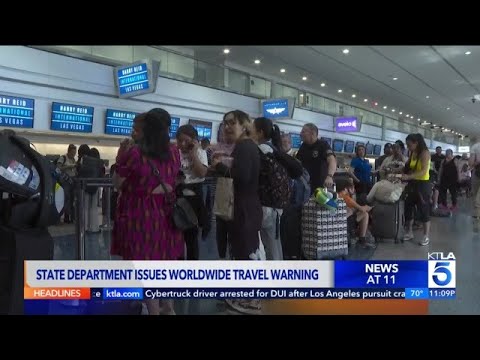
Embassies and consulates recommend registering your trip with the nearest embassy before leaving home for international travel. This simple step helps officials contact you during emergencies or natural disasters affecting your destination and planned itinerary. Consular staff can provide local legal referrals and emergency financial assistance when unexpected crises occur abroad while you are traveling. Registration is free and takes only a few minutes to complete online before departure.
Countries issuing new warnings

Countries issuing new warnings require careful review of official government sources before finalizing any international travel arrangements. Several nations have raised threat levels and issued formal travel warnings for specific regions within their borders. Tourists should avoid border areas and major urban centers where civil unrest has increased substantially over recent months. Local authorities enforce curfews and restrict movement in certain downtown districts after dark each evening.
Specific regions facing elevated risk
These warnings reflect ongoing security concerns that affect tourist safety and transportation infrastructure across multiple countries in the region. Local news outlets report increased patrols and checkpoint inspections near popular tourist attractions and historical sites visited by international visitors daily. Travel insurance providers may exclude coverage for trips to areas under official warning so review your policy carefully before departure. Emergency evacuation services often cost extra when operating in high risk zones with limited medical facilities available nearby.
Diplomatic missions urge citizens to enroll in the smart traveler program before international departure for any destination. This free service sends safety alerts and helps consular staff locate you during emergencies overseas or natural disasters. Registration takes only a few minutes and could prove vital during unexpected political disturbances or civil unrest abroad. Enrolled travelers receive important updates about changing conditions that might affect their safety and travel plans significantly.
Essential documents and preparations
Proper documentation remains the foundation of any successful international journey under current american citizens travel alert 2026 guidelines. Passports must remain valid for at least six months beyond your planned return date to most foreign countries. Many nations now require blank visa pages and recent photographs that meet strict biometric specifications for entry. Travelers should photocopy all important documents and store digital copies in secure cloud storage accessible from any device.
Travelers should photocopy all important documents and store digital copies in secure cloud storage accessible from any device or smartphone. Emergency contacts should include local embassy numbers and insurance provider hotlines available twenty four hours each day for urgent assistance. Leaving copies with trusted family members at home creates a backup plan if originals get lost or stolen during transit. Digital backups ensure you can access critical information even when physical documents are unavailable or damaged during travel.
Health certificates and vaccination records have become mandatory for entry into many countries across different continents and regions. Some destinations require specific immunizations administered within a certain timeframe before arrival at international airports and border crossings. Consulting a travel medicine specialist weeks before departure ensures you meet all health requirements without last minute complications or delays. Carry proof of vaccination in both digital and printed formats to satisfy varying entry requirements at each checkpoint.
- Check passport expiration dates carefully before booking any international flights
- Obtain required visas well in advance of your planned departure date
- Register with your embassy through official government traveler enrollment programs
- Purchase comprehensive travel insurance covering medical evacuation and trip interruption
- Copy all documents and store them separately from originals during travel
- Verify entry requirements for each destination on official government websites
Safety tips for transit and stays
Safety tips for transit and stays begin with thorough research about your destination before booking any flights or accommodations. Familiarize yourself with local emergency numbers and the location of your country embassy or consulate in the city you will visit. Share your itinerary with trusted family members and check in regularly throughout your trip using reliable communication methods. Avoid displaying expensive electronics or jewelry in public areas where theft risks increase during crowded transportation and tourist attractions.
Airport security and ground transportation
Airport security protocols have intensified across major international hubs serving travelers from the United States and other nations. Officers now conduct random device checks and require separate bins for laptops and liquid containers during morning and evening rush hours. Delays are common so arrive at least three hours before scheduled departure times for international flights. Licensed taxis and registered ride sharing services offer more reliable options than unmarked vehicles waiting near airport terminals.
Public transit systems in major cities present unique risks that require constant awareness of your surroundings and belongings at all times. Pickpocketing increases in crowded stations and on busy subway lines during rush hour commuting times each weekday morning and evening. Keep valuable items in front pockets or secure bags worn across your body rather than in backward facing packs. Staying alert and avoiding distractions helps prevent theft during crowded commutes on public transportation systems.
Health and insurance considerations
Medical care abroad can become extremely expensive without proper insurance coverage tailored for international travel and emergencies. american citizens travel alert 2026 guidelines emphasize checking policy details for evacuation coverage and pre existing condition exclusions before departure. Hospitals in foreign countries often require upfront payment before providing treatment even for serious injuries or sudden illnesses. Travelers should verify coverage limits and emergency contact numbers before leaving home for international trips.
Pharmaceutical regulations vary significantly between countries so travelers must declare all medications in original packaging with prescriptions attached. Some common over the counter drugs legal in the United States require special permits or are completely banned elsewhere. Customs officers can confiscate unauthorized medications and impose fines or detention for violations of local drug enforcement laws. Always carry a doctor letter explaining medical necessity for any prescription drugs in your luggage.
Water safety and food hygiene standards differ greatly across regions so stick to bottled water and thoroughly cooked meals daily. Street food vendors may offer authentic local cuisine but carry higher risks of contamination and food borne illness for visitors exploring new cultures. Carry basic medications for stomach issues and consult your doctor about preventive options before visiting developing countries or remote areas abroad. Boiling water and avoiding ice cubes from unknown sources reduces health risks during international travel significantly.
| Coverage Type | Basic Plan | Premium Plan | Emergency Features |
|---|---|---|---|
| Medical Expenses | Limited coverage | Extended coverage | Direct hospital payment |
| Trip Cancellation | Partial reimbursement | Full reimbursement | Full refund option |
| Evacuation | Not included | Included worldwide | 24/7 coordination |
Financial planning and local currency
Financial planning and local currency management require advance research into exchange rates and payment options available at your destination. Carry multiple payment methods including credit cards debit cards and emergency cash in separate secure locations during your travels abroad. Notify your bank about international travel to prevent frozen cards when foreign transactions trigger automated security alerts on your account. Research tipping customs and service charges at your destination to avoid awkward misunderstandings with restaurant staff hotel porters and taxi drivers.
Managing money abroad
Currency exchange rates fluctuate daily so check current values before converting large amounts at airport kiosks or hotel desks. Local banks usually offer better rates than tourist exchange counters near major attractions and shopping districts in foreign cities. Carrying multiple payment methods provides backup options if cards get lost stolen or blocked during international transactions abroad. Credit cards with no foreign transaction fees save significant money on purchases compared to debit cards charged conversion surcharges.
Budgeting for unexpected expenses ensures you can handle medical emergencies vehicle rentals or last minute itinerary changes without stress. Keep emergency funds separate from your main travel wallet in a secure location like a hotel safe or money belt. Research tipping customs and service charges at your destination to avoid awkward misunderstandings with restaurant staff hotel porters and taxi drivers. Planning ahead for currency exchanges and small cash needs prevents frustrating delays during your daily activities abroad.
Frequently asked questions
What should I do if my passport gets lost abroad?
Contact the nearest embassy or consulate immediately to start the emergency replacement process for your travel document and passport. Bring a police report and passport photos if available to speed up the issuance of temporary travel papers during your stay abroad. Keep digital copies of your passport stored securely online so you can reference identification details when needed by officials. Embassies can issue emergency travel documents usually within one business day for citizens facing urgent return travel needs.
Are travel insurance claims processed differently during alert periods?
Insurance companies may extend claim deadlines and simplify documentation requirements when official alerts affect your destination or travel plans. Contact your provider promptly to understand specific coverage terms and required evidence for medical expenses or trip interruption requests. Submit all paperwork through approved channels to avoid delays in receiving reimbursement for covered losses. Review your policy wording carefully to identify any exclusions that might apply during declared emergency periods abroad.
Can I cancel my flight without penalty under current advisories?
Cancellation policies depend on your airline ticket type and the specific terms outlined in your booking confirmation email. Some carriers offer free changes during government issued alerts while others maintain strict no refund rules for basic economy fares. Review your contract of carriage and contact customer service to explore options before confirming any cancellation request. Flexibility in booking choices often determines whether you receive full refunds or face penalties for trip interruptions.
How do I verify if my destination has new entry rules?
Check the official government travel advisory website for the most current requirements affecting United States citizens entering foreign countries. Embassy websites and airline check in counters often display updated entry rules that change frequently during alert periods. Verify visa requirements passport validity and health documentation well in advance before your scheduled international departure date. Contact your airline directly to confirm any recent changes to boarding requirements for your specific destination.
What medications can I bring into foreign countries?
Research each destination pharmaceutical laws before packing prescription and over the counter drugs in your checked luggage. Carry medications in original containers with doctor prescriptions and a letter explaining medical necessity for controlled substances. Declare all medical items at customs to avoid confiscation fines or legal complications with local drug enforcement authorities. Consult your physician about alternative treatments or documentation that might ease entry requirements for necessary medications.
Staying informed and prepared helps american citizens travel alert 2026 situations become manageable rather than overwhelming experiences abroad. Regular checks of official sources ensure you adjust plans quickly when conditions change unexpectedly in your destination country. Safe travels depend on thorough research flexibility and respect for local laws cultures and customs wherever your journey takes you next.