


Surviving a 17 hour flight requires smart planning and comfort strategies to stay healthy and rested throughout the entire journey. Pack essential items like neck pillows, noise-canceling headphones, and hydrating snacks to keep yourself occupied during the trip. Wear loose clothing and move around frequently to prevent stiffness and poor circulation in your legs. Following these practical 17 hour flight tips makes the long journey much more manageable and less stressful overall.
Prepare your body before departure
Preparing your body before departure is essential for enduring long travel and arriving feeling refreshed and energized. Start adjusting your sleep schedule a few days early to match your destination time zone effectively. Drink extra water and avoid alcohol leading up to the flight to stay properly hydrated throughout the entire trip. Eat light meals rich in vitamins to boost your immune system before takeoff and during the journey. These actions help your body adapt to the upcoming physical stress of traveling and long flights.
Consider doing light stretching or yoga in the days before your flight to loosen tight muscles and joints throughout your body. A short walk or gentle exercise can improve your overall circulation and flexibility significantly before you travel. Avoid heavy workouts right before flying as they might exhaust you further and cause unwanted soreness in your muscles. Getting a good night’s sleep the evening before is equally important for physical recovery and mental clarity. Resting well ensures you start the journey with a clear mind and a positive, focused attitude.
Hydration starts well before you board the plane, so drink plenty of water in the hours leading up to departure and during the flight. Avoid caffeinated beverages which can dehydrate you and disrupt your natural sleep patterns throughout the entire trip. Eating a balanced meal with lean protein and vegetables provides sustained energy without making you feel sluggish or tired. Preparing your mind with calming music or meditation also helps reduce pre-flight anxiety significantly before boarding. Taking these steps sets a strong foundation for a comfortable and relaxing journey from start to finish.
Choose the right clothing and seat
Choosing the right clothing and seat significantly impacts your comfort during extended travel on a long journey and during the flight. Wear breathable layers like loose sweatpants and a hoodie to adjust to cabin temperatures easily throughout the trip. Select a window seat for wall support or an aisle seat for easy bathroom access when you need to move around. Avoid tight waistbands and restrictive shoes to prevent swelling in your feet and ankles during the journey. Your seating choice and outfit determine your overall experience on the plane.
Wear loose layers for comfort
Wear loose layers for comfort throughout the journey to avoid restriction and maintain good circulation in your legs and feet. Tight clothing can restrict blood flow and cause discomfort during long periods of sitting on the plane without movement. Opt for fabrics that breathe well and allow freedom of movement while you are seated comfortably for hours. This simple choice prevents chafing and helps maintain good circulation during the entire flight from takeoff to landing. Feeling comfortable in your clothes reduces overall stress levels significantly and makes the time pass much more easily.
Consider bringing a light blanket even in warm climates since planes often run cold at high altitudes during the flight. A small pillow or cushion can also provide extra lumbar support for your lower back while sitting in your seat. These small additions make the long hours pass much more comfortably when you are trying to rest or sleep. You will appreciate the extra warmth and support when sleeping upright in your seat for many hours. Staying cozy is a key part of surviving extended air travel and arriving feeling refreshed.
Pack essential entertainment and snacks
Packing essential entertainment and snacks keeps your mind engaged and your energy steady during a long journey ahead and the flight. Download movies, podcasts, and books onto your devices before leaving home to ensure offline access during the trip. Bring healthy snacks like nuts, dried fruit, and protein bars to avoid airline food and hunger crashes. This prevents boredom and discomfort during the long hours ahead of you while sitting in the air. Staying entertained and fed makes the time fly by much faster.
A good book or magazine can provide a welcome break from screen time and help you relax during the flight. Listening to your favorite music or an audiobook can also soothe anxiety and pass the time quickly while you sit in your seat. Consider bringing a journal to write down thoughts or sketch during the quieter moments of the journey. Engaging your mind in different ways prevents the monotony of sitting in one place for many hours. Variety in entertainment is key to staying happy and alert throughout the entire trip.
Healthy snacking is just as important as entertainment when you are stuck in the air for many hours on the plane. Avoid sugary treats which can cause energy crashes and leave you feeling tired later on the journey. Pack crunchy vegetables or whole grain crackers for a satisfying and nutritious option during the flight. Eating small portions throughout the flight helps maintain stable blood sugar levels and keeps your mind sharp. Proper nutrition keeps your body fueled and your mood positive during the entire trip from departure to arrival.
- Download offline movies and shows
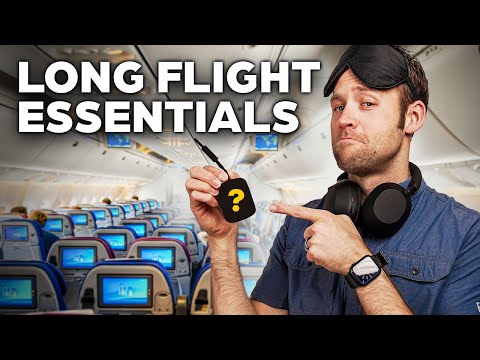
- Bring noise-canceling headphones
- Pack chewing gum for ear pressure
- Bring a portable charger
- Pack a good book
- Bring eye masks and earplugs
Move your body during the flight
Moving your body during the flight is vital for preventing blood clots and stiffness while sitting for hours on end. Stand up and walk down the aisle every two hours when safe to do so comfortably and safely. Perform simple ankle circles and calf raises while seated to keep circulation flowing properly throughout the trip. Stretch your neck and shoulders gently to release built-up tension from sitting in one position for too long. These small movements help you arrive feeling refreshed and healthy after the long journey.
Stretch your legs regularly
Stretch your legs regularly to maintain good blood flow during long periods of sitting in a cramped space on the plane. Ankle rotations and knee lifts are easy exercises you can do in your seat without disturbing others nearby during the flight. These movements prevent swelling and reduce the risk of deep vein thrombosis during the long journey. Try to do them every hour for the best results and comfort while you are seated. Keeping your legs active is essential for your overall health and well-being throughout the entire trip.
Walking around the cabin also helps you stretch your back and relieve pressure on your spine during the flight. Do gentle side bends or torso twists while standing in the aisle if space allows you to do so safely. Avoid aggressive movements that might trip you or bump into other passengers nearby during the journey. Focus on slow, controlled motions to improve flexibility and reduce soreness in your muscles. Regular movement is the best way to prevent stiffness during a long flight and arrive feeling your best.
Manage sleep and rest effectively
Managing sleep and rest effectively ensures you do not feel completely exhausted upon arrival at your destination after the flight. Use a supportive neck pillow to keep your head upright while dozing off in your seat comfortably. Avoid caffeine several hours before bedtime and consider taking a mild sleep aid if needed for relaxation during the journey. Wear blue-light blocking glasses to help your brain wind down before sleeping in the unfamiliar environment. Creating a dark, quiet environment promotes deeper, more restorative sleep during the trip.
| Item | Purpose | Benefit | Timing |
|---|---|---|---|
| Neck pillow | Support head | Prevents neck pain | During sleep |
| Eye mask | Block light | Improves sleep quality | Before sleeping |
| Earplugs | Reduce noise | Helps you fall asleep | At bedtime |
Establishing a bedtime routine on the plane signals to your body that it is time to rest and recover from the journey. Avoid engaging in stressful activities like working or watching intense movies right before you try to sleep. Instead, listen to calming sounds or gentle music to ease your mind into a relaxed state during the flight. Keeping your phone on silent prevents sudden interruptions that might wake you up during the night and disrupt your rest. Consistency helps your body adjust to the unfamiliar sleeping conditions and settle in quickly.
If you struggle to sleep, try using a mild herbal remedy or warm tea to promote relaxation naturally during the flight. Do not rely on strong medication unless prescribed by a doctor, as it can cause unwanted side effects at high altitudes during the journey. Elevating your feet slightly with a carry-on bag can improve circulation and comfort while you are seated. Covering yourself with a blanket maintains body temperature for better rest and recovery. Finding what works for you makes the journey much more bearable and helps you arrive refreshed.
Hydrate and care for your skin
Hydrate and care for your skin to combat the dry cabin air during long travel on a plane and during the flight. Drink plenty of water before and throughout the journey to stay properly hydrated at all times. Apply moisturizer and lip balm frequently to prevent your skin from drying out and cracking during the trip. Avoid alcohol and salty foods which can dehydrate you further and make you feel puffy and tired. Keeping your skin healthy makes you feel much better overall.
Drink water consistently
Drink water consistently throughout the journey to maintain proper hydration levels in the dry cabin environment of the plane. Avoid alcoholic beverages and coffee as they worsen dehydration and disrupt your sleep cycle during the flight. Bring an empty bottle through security and fill it up afterward to save money and stay refreshed throughout the trip. Sipping water regularly helps your skin and body function at their best during the long hours of travel. Proper hydration reduces fatigue and keeps you feeling alert and focused during the entire journey.
Moisturizing your face and hands every few hours combats the low humidity inside the aircraft cabin during the flight. Use a facial mist for a quick refresh if you feel your skin becoming dry or tight during the journey. Apply lip balm frequently to prevent chapping and discomfort during the long hours of travel. Avoid heavy makeup which can settle into fine lines and look cakey in dry air at high altitudes. Simple skincare steps make a big difference in how you feel and look upon arrival.
FAQ
Frequently asked questions help travelers prepare for long journeys by addressing common concerns and uncertainties about flying on a plane. People want to know how to stay comfortable, sleep well, and remain healthy during extended travel and long flights. These answers provide practical solutions based on real passenger experiences and common sense strategies for success. Understanding these points reduces anxiety and improves your overall flight experience significantly before you board. Reviewing this information before you depart ensures a much smoother trip.
How do I sleep on a long flight?
Use a supportive neck pillow and wear loose clothing to maximize comfort during the journey on the plane. Choose a window seat to lean against the wall for added support and stability while resting during the flight. Avoid screens for an hour before sleep to help your brain wind down and relax completely before bedtime. Consider using earplugs and an eye mask to block out noise and light effectively during the long hours. These steps create a more restful environment for sleeping upright in your seat and arriving refreshed.
What should I eat during a long flight?

Pack healthy snacks like nuts, dried fruit, and protein bars to avoid hunger during the long trip and flight. Avoid heavy meals that can cause sluggishness and discomfort while sitting in your seat for hours on end. Drink plenty of water to stay hydrated and prevent fatigue from setting in too quickly during the journey. Limit salty foods which can make you feel puffy and dehydrated during the flight. Eating light and frequently keeps your energy levels stable throughout the entire trip and arrival.
How can I prevent leg cramps on a plane?
Stand up and walk around the cabin every two hours to promote blood flow and circulation effectively during the flight. Perform simple ankle circles and calf raises while seated to keep your muscles active and loose during the long journey. Wear compression socks to reduce swelling and improve circulation throughout the trip and prevent discomfort. Stretch your legs gently whenever you feel stiffness or tension building up in your muscles while sitting. Moving regularly is the best way to prevent painful cramps during the flight and arrive healthy.
Is it okay to drink alcohol on a long flight?
It is best to avoid alcohol because it dehydrates you and disrupts sleep quality during the flight and journey. The dry cabin air already lowers your body’s hydration levels significantly at high altitudes during the trip. Alcohol amplifies this effect, leaving you feeling more tired and groggy upon arrival at your destination. Instead, drink plenty of water or herbal tea to stay refreshed and alert throughout the long hours. Staying sober helps you arrive feeling much more energized and healthy after the flight.
How do I pass the time on a long flight?
Download movies, podcasts, and books onto your devices before you leave home to ensure offline access during the trip. Bring a physical book or magazine as a backup in case of battery failure during the long flight. Play games on your phone or tablet to keep your mind engaged and entertained while sitting. Listen to music or audiobooks to relax and escape the cabin noise while you are in the air. Having multiple entertainment options ensures you never feel bored during the journey and arrival.
Following these strategies will help you arrive at your destination feeling much more rested and fully prepared for the busy day ahead. Prioritize your comfort and health throughout the entire journey to make the experience manageable and truly enjoyable for you on the plane. Small adjustments to your daily routine can dramatically improve your overall travel satisfaction and physical well-being during the long trip. You will be glad you took the time to prepare properly before boarding the aircraft safely today. Safe travels and enjoy your upcoming adventure to the fullest.