


Airplane comfort matters because long hours in tight spaces cause fatigue and stress during your journey. Passengers need support and planning to arrive feeling refreshed for their destination. Simple adjustments to seating and attire can improve your travel experience and reduce strain. Choosing the right seat and dressing loosely helps everyone sleep better and feel energized.
Choosing the right seat for airplane comfort
Choosing the right seat for airplane comfort depends on your personal travel preferences and physical needs during the flight. Window seats offer a view and a wall to lean against during sleep, making them ideal for resting peacefully. Aisle seats provide easy access to restrooms and leg stretching opportunities without disturbing fellow passengers in the row. Exit rows give extra legroom but may restrict under-seat storage for your carry-on luggage during takeoff and landing.
Seat width varies significantly between aircraft manufacturers and cabin classes, directly affecting your ability to relax comfortably throughout the entire trip. Reclining options differ as well, with some seats offering minimal movement while others provide a gentle and supportive slope for rest. Paying attention to these details before booking ensures a much more pleasant flying experience overall for travelers seeking relief. Always check the specific plane layout before finalizing your reservation to guarantee the best possible seating arrangement for your needs.
Avoid seats near galleys or lavatories because constant foot traffic and noise disrupt your rest during the entire journey. These areas often attract passengers waiting in line or seeking temporary relief from their own cramped conditions. The bright lighting in these zones can also interfere with your natural sleep cycle and cause unnecessary fatigue during the trip. Selecting a seat further back usually provides a quieter environment for sleeping.

Dressing appropriately for travel comfort
Fabric choice matters for long flights
Dressing appropriately for travel comfort means choosing loose-fitting clothing made from breathable materials like cotton or jersey for the flight. Tight garments restrict blood flow and cause discomfort during long periods of sitting in a confined space on the plane. Layering is essential because cabin temperatures fluctuate dramatically from freezing to warm throughout the entire flight experience during travel. Wearing slip-on shoes allows easy removal during security checks and provides relief for swollen feet after a long landing.
Fabric choice plays a massive role in how you feel during the long flight and overall travel experience. Natural fibers wick away moisture and prevent overheating in crowded cabins that lack proper ventilation throughout the journey. Synthetic materials trap heat and cause irritation against the skin over extended periods of sitting in a tight seat. Comfortable clothing reduces the risk of deep vein thrombosis by allowing unrestricted movement during the flight. Pack a light scarf to use as a blanket or neck support when the cabin air feels cold.
Essential items to pack for flying
Packing essential items for flying ensures you have relief whenever discomfort strikes during the long journey ahead. A neck pillow supports your head and prevents painful stiffness in the neck muscles throughout the entire flight. Earplugs block out engine noise and crying infants, allowing you to rest peacefully without constant disruption. An eye mask creates darkness that signals your brain to produce melatonin for better sleep during the trip. Hydration is critical for maintaining energy levels and preventing fatigue during extended time in the air.
- Compression socks to improve circulation and reduce swelling.
- Travel-size moisturizer to combat dry cabin air.
- A reusable water bottle to stay hydrated.
- Noise-canceling headphones for auditory peace.
- Light snacks to maintain blood sugar.
- A portable charger to keep devices powered.
These small additions transform a tedious journey into a manageable and pleasant experience for any traveler today. Organizing your carry-on bag before departure saves valuable time and reduces stress at the security checkpoint daily. Keeping essentials within arm’s reach means you do not have to disturb other passengers during the flight. A well-prepared traveler enjoys significantly fewer interruptions and can focus on relaxing or working during the trip.
Understanding cabin pressure effects on the body
Understanding cabin pressure effects on the body helps you prepare for the physical changes experienced during flight. Reduced air pressure causes gas in your digestive system to expand, leading to bloating and significant discomfort overall. The low humidity dries out your skin and mucous membranes, increasing the risk of dehydration and respiratory irritation. Drinking water frequently combats these issues and keeps your body functioning properly throughout the entire long journey.
Equalizing ear pressure during ascent
Ear popping occurs as the pressure changes between the cabin and your inner ear during ascent and descent. Chewing gum or swallowing frequently helps equalize the pressure and relieve the painful sensation in the ears. Yawning also opens the Eustachian tubes, allowing air to flow and balance the pressure difference effectively. Avoid sleeping during takeoff and landing because you cannot actively swallow or chew to relieve the painful pressure. Staying awake during these critical phases prevents painful barotrauma and ensures a more comfortable flight overall for you.

Blood circulation slows down significantly when you sit in one position for many hours without moving around. Standing up periodically and walking down the aisle promotes blood flow and reduces the risk of clotting. Simple ankle rotations and calf raises while seated also help maintain proper circulation throughout the entire flight. Compression garments provide external pressure that assists your veins in pushing blood back toward the heart effectively.
Comparing seat classes for better flying
Comparing seat classes for better flying reveals significant differences in space, service, and overall passenger experience today. Economy seats prioritize cost savings but often sacrifice personal space and recline options during the long flight. Premium economy offers a moderate upgrade with extra legroom and wider seats for added comfort during long haul journeys. Business class provides fully flat beds and gourmet meals that greatly enhance your rest and relaxation overall.
| Class | Space | Service | Best For |
|---|---|---|---|
| Economy | Tight | Basic | Short trips |
| Premium Econ | Moderate | Enhanced | Medium flights |
| Business | Spacious | Premium | Long hauls |
Selecting the right class depends on your budget and the length of your upcoming travel itinerary abroad. Long international flights often justify the higher cost of premium seating due to the recovery benefits for you. Short domestic trips rarely require extensive legroom or luxury amenities that come with upper-tier cabins on board. Assessing your personal needs before booking ensures you allocate funds toward the most valuable features for your journey.
Managing jet lag for faster recovery
Managing jet lag for faster recovery requires adjusting your sleep schedule before departing on your international trip. Gradually shifting your bedtime by one hour each day helps align your internal clock with the destination time zone. Staying hydrated and avoiding alcohol prevents the worsening of fatigue and disorientation upon arrival at your destination. Exposure to natural sunlight resets your circadian rhythm and signals your body to stay awake during daylight hours.
Resetting your circadian rhythm naturally
Melatonin supplements can aid sleep when taken at the correct local time in your new destination. Avoiding screens before bed reduces blue light exposure that disrupts your natural sleep hormone production significantly during travel. Keeping your room dark and cool creates an optimal environment for deep and restorative sleep every single night. Waking up at the local morning time forces your body to adapt quickly to the new schedule. Short naps of twenty minutes provide energy without interfering with your nighttime sleep cycle during the trip.
Adjusting your meal times to the destination schedule also helps regulate your internal biological clock effectively. Eating heavy meals late at night confuses your body and makes it harder to fall asleep quickly. Light snacks and local cuisine encourage your digestive system to sync with the new time zone schedule. Consistent physical activity during the day promotes better sleep quality and reduces feelings of lethargy significantly.
Frequently asked questions
Frequently asked questions address common concerns travelers have about seating, health, and preparation for long flights. Passengers often wonder how to sleep better, what to eat, and how to avoid pain during extended journeys. These inquiries focus on practical solutions that improve the overall experience and reduce travel-related stress significantly for you. Understanding the answers helps you plan ahead and travel with confidence throughout your entire trip abroad.
How can I sleep better on a plane?
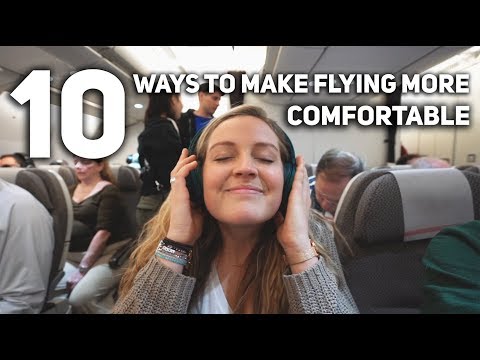
Sleeping on a plane requires a quality neck pillow and an eye mask to block out light completely. Choose a window seat to lean against the wall and minimize disturbances from passing passengers during the flight. Avoid caffeine before boarding and consider wearing noise-canceling headphones to drown out engine sounds effectively for rest. Relaxation techniques like deep breathing help calm your mind for rest and prepare you for deep sleep.
What should I eat before flying?
Eating a light meal before flying prevents discomfort caused by digestion at high altitudes during the journey. Avoid greasy foods that can cause bloating or nausea while sitting in a cramped seat for hours. Fresh fruits and vegetables provide essential vitamins without weighing you down before takeoff on the plane. Stay hydrated by drinking plenty of water before and throughout the flight to combat dry cabin air.
How do I prevent swelling in my legs?
Preventing swelling in your legs involves moving around the cabin every couple of hours during the flight. Simple exercises like ankle circles and knee raises promote blood flow while seated in a tight space for extended periods. Wearing compression socks provides gentle pressure that helps veins push blood back toward the heart effectively. Elevating your feet slightly when possible also reduces fluid buildup in the lower extremities during travel.
Can I bring my own pillow on board?
Most airlines allow you to bring your own pillow on board as part of your carry-on luggage for the trip. Inflatable travel pillows save space and can be easily stored in your bag when not in use during the flight. Memory foam options provide superior support but may take up more room on the plane during the journey. Check your airline’s specific baggage policy for size restrictions before departure to avoid any issues at the gate.
What is the best time to book flights?
Booking flights during off-peak hours often results in more available seating options and less crowded cabins for passengers. Tuesday and Wednesday evenings typically show lower prices and better seat selection for travelers planning ahead for their trip. Early morning flights usually experience fewer delays and disruptions from daily air traffic congestion at major hubs. Using fare alerts helps you track price drops for your desired route and secure the best available deal.
Planning ahead for your next trip ensures a much more pleasant and comfortable journey from start to finish for every traveler. Small changes to your routine and packing list make a significant difference in how you feel upon landing at your destination. Prioritize your well-being by following these practical tips for your upcoming travel adventure abroad and enjoy the experience. Safe travels and enjoy the experience as you explore new destinations with renewed energy and enthusiasm.