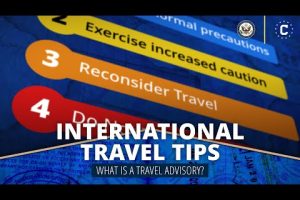



Governments issue alerts to inform citizens about risks abroad. These notices cover health crises, political unrest, and natural disasters. Travelers should check official sources before booking any overseas trip. Staying informed helps prevent dangerous situations during international journeys worldwide today.
What Is an International Travel Advisory
An international travel advisory warns citizens about potential dangers in foreign countries worldwide. These official notices come from government agencies responsible for citizen safety overseas. Alerts typically include threats like terrorism, civil unrest, or severe weather events. Understanding these warnings helps travelers make informed decisions about their upcoming plans and itineraries abroad without confusion or delay when traveling abroad now.
Foreign ministries publish these alerts through websites and mobile apps. Citizens can subscribe to receive real-time updates about their destinations. The information includes entry requirements, health risks, and security threats. Regular checks ensure travelers stay current on changing conditions abroad.
Each country maintains its own system for rating danger levels. Some systems use color codes while others use numbered categories. Travelers should review the specific criteria used by their home government. This knowledge helps assess personal risk tolerance before departure.
Why Countries Issue These Alerts
Governments issue alerts to protect citizens from harm abroad. These warnings help prevent accidents, injuries, and unfortunate events overseas. Officials share critical information about threats that could affect travelers. Early notice allows people to avoid dangerous regions and situations while reducing casualties during emergencies. This system builds public trust and encourages responsible travel behavior worldwide every single day without fail now.
Understanding Government Motivations
Countries issue warnings to safeguard their nationals from harm abroad. Officials evaluate risks based on detailed intelligence reports and current local conditions. The alerts help citizens avoid dangerous areas and risky activities overseas. Transparency strengthens the relationship between governments and their traveling populations while encouraging informed decision making and promoting safety during overseas journeys.

Many governments coordinate with foreign embassies to share timely updates and critical information about threats. Embassies provide assistance when citizens face unexpected problems overseas during their travels abroad. These partnerships help manage crises and support affected travelers in difficult situations. Cooperation between nations improves response times during emergencies and saves lives overseas.
Key Warning Categories
Travel alerts fall into several distinct categories based on threat type and severity levels worldwide for international travelers. Health warnings focus on disease outbreaks and medical infrastructure availability in foreign regions. Security alerts address crime levels, terrorism threats, and political instability. Natural disaster notices cover earthquakes, hurricanes, and extreme weather events while environmental alerts warn about current air quality and hazardous conditions abroad today from official sources.
- Terrorism and political violence warnings
- Health and disease outbreak alerts
- Natural disaster and weather threats
- Crime and safety hazard notices
- Entry requirement and documentation changes
- Transportation and infrastructure disruptions
Governments update these categories frequently as situations change rapidly around the world and require constant vigilance from officials and agencies. Authorities monitor events and adjust warnings based on new intelligence reports daily. Travelers must check current status before departing for any destination abroad. Reliable sources provide the most accurate and up-to-date information available today for everyone planning trips.
Different countries assign similar names to their alert systems and classification methods for travelers. Some use levels one through four while others use colors to categorize threats. Travelers should learn the specific meaning used by their destination before departure. Misunderstanding a warning level can lead to poor decisions that jeopardize safety abroad.
How to Prepare Before Departure
Preparation begins with researching your destination thoroughly before making any commitments or bookings. Check official government websites for current warnings and travel restrictions regularly and carefully. Register with your embassy to receive emergency notifications during your stay. Pack copies of important documents and store digital backups securely online. Create a contingency plan for unexpected events during your trip abroad now.
Essential Pre-Trip Steps
Review health requirements and vaccination recommendations for your chosen destination carefully. Ensure your passport has at least six months of remaining validity. Purchase comprehensive travel insurance that covers medical emergencies and cancellations. Learn basic phrases in the local language for emergencies. These steps reduce risk and improve your overall travel experience significantly.
Inform trusted contacts about your itinerary and expected return dates. Keep emergency numbers saved in your phone and written down securely. Research local hospitals and clinics near your accommodation in advance. Practice basic safety habits like securing valuables and staying aware of surroundings. This preparation helps you respond quickly if problems arise during travel.
Comparing Destination Risk Levels
Different destinations present varying levels of risk that require careful analysis before booking flights now. Travelers must evaluate political stability, crime rates, and health infrastructure before choosing a location abroad. Official sources provide standardized ratings that simplify comparison between countries and regions. Understanding these differences helps travelers select safer alternatives when possible and always stay completely protected from harm today.
| Destination | Risk Level | Main Concern | Advisory Status |
|---|---|---|---|
| Region A | High | Political unrest | Avoid travel |
| Region B | Medium | Crime | Exercise caution |
| Region C | Low | Weather | Normal precautions |
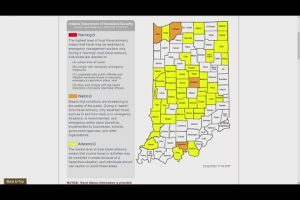
Risk assessment tools help travelers visualize potential dangers clearly and effectively. Maps and charts display threat levels across multiple destinations simultaneously. Travelers can filter results by activity type and personal interests. These resources make it easier to identify safer travel options for any trip.

Consulting multiple sources ensures a complete picture of local conditions abroad. Government websites offer official ratings while news outlets provide real-time updates. Travelers should cross-reference information to avoid relying on single reports. This balanced approach leads to better decision making and safer journeys overall.
Staying Safe While Abroad
Safety abroad requires constant awareness of your surroundings and local conditions at all times. Avoid displaying valuables in public and remain alert in crowded areas. Follow local news and official guidance during your stay. Trust your instincts if a situation feels uncomfortable or dangerous to your wellbeing and personal safety every day. Register with your embassy for emergency assistance when needed.

Practical Safety Measures
Keep digital copies of passports and important documents stored securely online. Share your location with family members during your travels abroad. Use reputable transportation services and avoid walking alone at night. Stay informed about local customs and laws before visiting new places. These habits reduce vulnerability and increase your overall security while traveling.
Emergency contacts should include local police and medical facilities near you. Learn the address of your country’s embassy in the destination city. Carry a charged phone and portable charger for constant connectivity. Establish a check-in schedule with friends or family members back home. This routine ensures someone knows your whereabouts during unexpected situations.
Frequently Asked Questions
How often do international travel advisories change?
Advisories update frequently as situations evolve in different countries worldwide. Governments review threats regularly and adjust warnings based on new information. Travelers should check sources weekly before and during trips. Staying current with official updates helps prevent unpleasant surprises abroad. This practice ensures you always have accurate guidance available.
Can travel advisories affect travel insurance claims?
Many insurance policies reference official government warnings when processing claims carefully. A valid advisory may justify trip cancellation or interruption coverage significantly. Check your policy wording for specific definitions of covered events. Contact your provider before disputing a denied claim. This step protects your financial investment in overseas travel.
What should you do during a sudden crisis?
Follow instructions from local authorities and your embassy immediately. Avoid affected areas and monitor official channels for updates continuously. Contact family members to confirm your safety status quickly. Keep essential documents and money accessible at all times. Prepare an emergency kit with water and basic supplies.
Are travel advisories legally binding for citizens?
Advisories are recommendations, not legally enforceable orders in most cases. However, ignoring warnings may void travel insurance coverage significantly. Some countries impose penalties for travel to restricted zones. Check local laws before visiting areas with active alerts. Understanding these rules prevents legal trouble during your journey.
Where can you find reliable advisory information?
Official government websites provide the most trustworthy travel alerts available today. Embassies publish destination-specific guidance for their citizens regularly. International organizations coordinate global health and safety standards. Always verify information through multiple official sources before trusting it. This approach ensures you receive accurate and current safety information.
Travel smart by staying informed and respecting local guidelines abroad. Prepare thoroughly and maintain flexibility throughout your journey. Safe travels begin with awareness and end with careful planning. Enjoy your international adventures with confidence and peace of mind. These habits create memorable and secure experiences overseas.