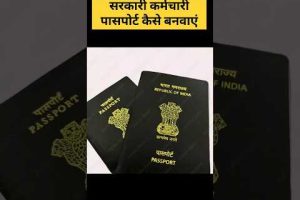



Permanent residents travel internationally with privileges and must follow specific entry rules for trips. You need to carry your passport and resident card when leaving the United States today. Staying away from the US for over six months can risk your permanent residency status. Always verify the destination country requirements before you book any international flight or cruise tickets.
Understanding travel rights for residents
Residents holding permanent resident cards enjoy broad travel rights across many international destinations without needing a visa. You can visit numerous countries for tourism or business purposes using just your passport and your green card. However, you must ensure your card remains valid throughout your entire trip outside the United States borders. Always check the expiration dates on your travel documents before planning any international trip abroad with your family.
You must carry your passport and resident card whenever you cross an international border for any reason. Foreign officials may ask about your purpose of visit and your ties to your home country during questioning. Providing clear answers helps border officers verify your status as a permanent resident without any unnecessary delays. Keep your documents organized and easily accessible to speed up the inspection process at the airport or port.
Traveling with a green card grants you the right to live and work in the United States. You can explore many countries visa-free or obtain a visa on arrival for short-term tourism and business. Remember that your permanent resident status does not guarantee entry into another country despite having valid travel documents. Always respect the local laws and regulations of the nation you are visiting during your entire stay abroad.
Green card holders travel needs
Green card holders travel needs involve ensuring your documentation remains current before departing from the United States. You must check the expiration dates on your passport and resident card well in advance right now. Proper preparation prevents stressful situations at the airport departure gate before your scheduled flight takes off soon. Always verify the entry requirements for your destination country to avoid any unexpected issues during your journey.
Checking your documents before departure
You should verify that your passport has at least six months of validity remaining for international air travel. Make copies of your important documents and store them separately from the originals in a secure location. Digital scans on your phone provide a backup if your physical documents are lost or stolen abroad. Contact the nearest embassy immediately if you lose your passport while traveling in a foreign country today.
Checking entry requirements early prevents unexpected delays or denied boarding at the airport departure gate for your flight. Some countries require vaccinations or health certificates before they will allow you to enter their borders. You should research the specific rules for your destination country before booking any international flights or cruises. Failing to meet these requirements can result in being turned away at the airport departure gate.
Essential documents for international trips
Essential documents for international trips include your valid passport and permanent resident card alongside any required visas. You must also carry proof of onward travel and sufficient funds to support yourself during your stay abroad. Keep digital copies of these important papers stored securely on your phone in case of an emergency. Always inform a trusted family member about your travel itinerary and expected return date before you depart.
Travelers often forget to bring their birth certificate or marriage license when visiting certain foreign countries. These additional documents might be necessary for proving your identity or relationship during border inspection procedures. You should check the embassy website of your destination country for a complete list of required paperwork. Having all necessary documents ready saves time and reduces stress at the airport security checkpoint today.
Your passport must be valid for at least six months beyond your planned date of departure abroad. Some nations require blank pages in your passport for entry stamps and official immigration documentation purposes. You should apply for a new passport well in advance if your current one is nearly expired. Carrying expired documents can lead to serious delays or denial of entry at the international airport.

- Your valid passport must have at least six months of remaining validity for international air travel today.
- Your permanent resident card must clearly show your current immigration status without any expiration issues or gaps.
- You need an onward or return ticket confirming your departure date from the destination country very soon.
- Proof of sufficient financial means is required to support yourself during your entire trip abroad safely.
- Travel insurance covering medical emergencies and unexpected cancellations provides vital protection during your journey overseas safely.
- Visa documents are necessary if the destination country requires prior approval before your arrival there very soon.
Border crossing procedures and rules
Border crossing procedures and rules require permanent residents to present their passport and green card to officers. You must declare all items you purchased abroad and pay any applicable duties before you leave the customs area. Officers will check your documents to confirm your legal status and the purpose of your international journey. Always answer questions truthfully and politely to ensure a smooth and efficient processing experience at the border.
Returning to the United States
Green card holders travel back home frequently, but they must establish a permanent residence in the US. You should maintain a permanent address and active bank accounts to prove your ties to the country. Extended absences might trigger questions about your intent to maintain the United States as your primary home. Keeping evidence of your residential ties helps immigration officials verify your status during routine border reentry checks.
You should apply for a reentry permit if you plan to remain outside the country for a year. This permit allows you to stay abroad longer without abandoning your permanent resident status in the US. Failure to obtain a reentry permit can result in the loss of your green card and status. Always consult an immigration attorney if you anticipate being outside the United States for an extended period.
Comparing visa requirements by region
Comparing visa requirements by region helps permanent residents understand which destinations need extra travel authorization documents. You should research the specific rules for your destination country before booking any international flights or cruises. Different regions have varying entry rules that can affect your travel plans and overall trip experience significantly. Always verify the latest entry rules with the embassy of your destination country before finalizing your travel plans.
| Region | Visa Required | Max Stay | Notes |
|---|---|---|---|
| Europe | No | 90 days | Schengen area rules apply |
| Asia | Sometimes | Varies | Check specific country rules |
| Caribbean | No | 30 days | Tourist entry only |
Some nations allow visa-free entry while others demand an electronic travel authorization before you depart today. You must check the specific visa requirements for your nationality and destination country before booking flights. Visa policies change frequently, so always verify the current rules with the embassy of your destination country. Failing to obtain the correct visa can result in denied boarding or deportation from the foreign country.

Travelers should prepare all necessary paperwork well in advance to avoid last-minute complications before their departure. Some countries require proof of accommodation and return tickets before they grant you entry at the border. You must pay any applicable visa fees using accepted payment methods before your official interview appointment. Understanding these regional differences ensures a smoother and more enjoyable international travel experience for everyone involved.
Maintaining residency status while away
Maintaining residency status while away requires careful planning to avoid abandoning your permanent resident status entirely. You must demonstrate strong ties to the United States through employment, property ownership, or family connections abroad. Failing to maintain these ties can result in the loss of your permanent resident status permanently today. You should file your taxes annually and maintain a physical address in the United States as proof.
Limiting extended trips outside the US
Green card holders travel abroad frequently, but staying outside the United States over six months is risky. You should apply for a reentry permit if you plan to remain outside the country for a year. This permit allows you to stay abroad longer without abandoning your permanent resident status in the US. Failure to obtain a reentry permit can result in the loss of your green card and status.
Always consult an immigration attorney if you anticipate being outside the United States for an extended period. They can provide tailored advice on how to preserve your residency rights while living overseas for years. Keeping a valid return ticket helps demonstrate your intent to maintain the United States as your primary home. Regularly reviewing your immigration status ensures compliance with all federal regulations regarding permanent resident travel abroad.
Frequently asked questions
Can permanent residents travel without a passport?
No, permanent residents traveling internationally require a valid passport from your country of citizenship to fly abroad. You must present this document at every border crossing during your international journey without any exceptions. Without a valid passport, you cannot board any international flight or cruise to your desired destination. Always renew your passport well before your planned departure date to avoid unexpected delays or issues.
How long can permanent residents stay outside the US?
Permanent residents can generally stay outside the United States for up to six months without any issues. Staying longer than this period may trigger serious immigration consequences and jeopardize your current resident status. You should track your departure and return dates carefully to ensure compliance with US immigration laws. If you exceed the limit, you might face difficulties when reentering the country at the border.
Do Canadian residents need a visa?
Canadian residents travel to many countries visa-free, but they must check specific destination requirements before departing today. The United States has bilateral agreements that affect how long Canadians can stay abroad without a visa. Always verify the latest entry rules with the embassy of your destination country before finalizing your travel plans. Different nations have varying rules for Canadian passport holders regarding short-term tourism and business visits abroad.

What happens if you overstay your leave?
Overstaying your leave can trigger serious immigration consequences and potentially lead to the abandonment of your status. You may be barred from reentering the United States for several years if you overstay significantly. It is vital to depart before your authorized stay expires to maintain your permanent resident privileges. Always consult an immigration attorney if you face unexpected delays or complications with your departure date.
Is travel insurance mandatory for residents?
Travel insurance is not always mandatory but highly recommended to cover medical emergencies during your international journey. Medical treatments abroad can be extremely expensive without proper insurance coverage for unexpected health issues. You should compare different policies to find one that matches your specific travel needs and destination requirements. Comprehensive coverage provides peace of mind and financial protection during your trip overseas today.
Always research your destination thoroughly and keep your documents organized before departing on your next international journey. You should check the latest travel advisories and entry requirements for your specific destination country before leaving. Keeping copies of your important papers in a secure location helps you recover quickly from any unexpected loss. Proper preparation ensures a smooth and stress-free experience when you cross international borders for business or pleasure.