


Traveling on an airplane for many hours can feel exhausting and uncomfortable. These airplane tips for long flights will help you stay relaxed and refreshed during your journey. You can sleep better, avoid body aches, and enjoy your destination. Proper preparation makes a huge difference in your overall travel experience.
Prepare your body before departure
Before you board the airplane, adjust your sleep schedule to match your destination time zone. Drink plenty of water in the days leading up to your flight to prevent dehydration and fatigue. Avoid heavy meals and excessive alcohol which can severely disrupt your rest and energy levels during the trip. Moving your body gently helps circulation and prepares you for the long hours ahead.
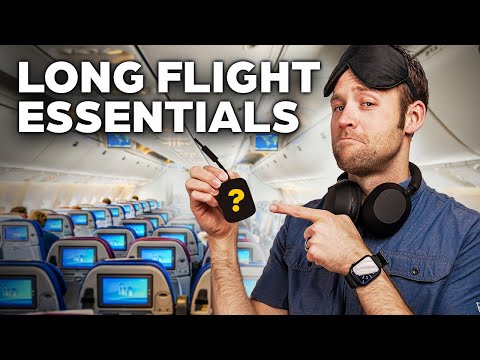
Packing essential items like a neck pillow and eye mask makes a huge difference on board. Choose comfortable clothing that allows your skin to breathe without feeling restricted during the journey. Bring your own headphones to enjoy music without the discomfort of cheap airline earbuds or loud passengers. Staying entertained with books or downloaded shows passes the time much faster and easier.
Arriving at the airport early reduces stress and gives you ample time to find your assigned gate. Check your luggage requirements carefully so you avoid unexpected fees at the check-in counter. Walk around the terminal while waiting to keep your muscles loose and your blood flowing properly throughout the body. A calm start sets the tone for a much more pleasant travel experience overall and safely.
Select the best seat for comfort
Choosing between window and aisle seats
Window seats offer a view and a solid wall to lean against for sleeping comfortably. Aisle seats provide easy access to the restroom and more legroom to stretch your legs frequently. Consider proximity to the restroom when making your final choice on the aircraft. Your personal preference for movement or scenery dictates the best spot for you during the trip.
Emergency exit rows provide extra legroom but require you to assist others in a sudden evacuation situation quickly. Bulkhead seats lack under-seat storage for your carry-on luggage during the entire flight. Avoid seats near the galley because of noise and passing crew members disrupting your rest continuously. Sitting over the wing minimizes turbulence and motion sickness for sensitive travelers seeking comfort.
Reclining your seat slightly helps you find a comfortable sleeping position without annoying the person sitting directly behind you. Use a small blanket to cushion the hard plastic armrests on long journeys. Checking seat maps online before booking lets you pick the optimal spot for your specific needs and preferences. Small adjustments like these significantly improve your overall experience and reduce physical strain during the journey.
Manage in-flight entertainment and hydration
Staying hydrated is essential because airplane cabin air is extremely dry and dehydrates your body very quickly. Drink water consistently throughout the flight instead of waiting until you feel thirsty or tired. Avoid alcohol and caffeine since they accelerate fluid loss and worsen jet lag symptoms significantly. Bringing an empty bottle through security lets you refill it after the checkpoint easily.
- Download movies and shows before leaving home to avoid relying on Wi-Fi during the trip.
- Pack a variety of snacks like nuts and dried fruit for energy throughout the flight.
- Bring a portable charger to keep your devices powered throughout the long journey.
- Use noise-canceling headphones to block out engine noise and crying babies on board.
- Stretch your legs every hour to prevent stiffness and blood clots during travel.
- Wear layers because cabin temperatures fluctuate unpredictably during the flight.
Engaging your mind helps pass the time when you cannot sleep on the aircraft for many hours. Listening to podcasts or audiobooks provides entertainment without straining your eyes from bright screens. Writing in a journal or planning your trip keeps your thoughts active and focused on the journey. Taking short walks down the aisle promotes circulation and reduces swelling in your feet.
Follow a healthy in-flight routine

Establishing a sleep schedule in the air
Adjusting your watch to the destination time helps signal your body when to rest. Use a supportive pillow to keep your spine aligned and avoid morning stiffness during the flight. Wear an eye mask to block out harsh cabin lighting and promote melatonin production. Avoid screens before sleep because blue light disrupts your natural circadian rhythm.
Eating light meals prevents discomfort and keeps your energy levels stable throughout the journey. Avoid greasy foods that cause bloating and lethargy at high altitudes during the flight. Pack your own nutritious snacks like granola bars or fresh fruit for healthier options on board. Moving around the cabin regularly reduces the risk of deep vein thrombosis.
Washing your hands frequently protects you from germs circulating in the confined cabin environment on the plane. Use hand sanitizer when soap and water are not readily available during the flight. Moisturizing your skin combats the dry air that causes irritation and flaking during long travel. A simple hygiene routine makes a significant difference in how you feel upon arrival.
Compare seat options and cabin classes
Different seat options and cabin classes offer varying levels of comfort and space for travelers. Economy seats provide basic necessities while premium cabins include extra amenities and services. Comparing prices against your budget helps you decide which option suits your specific travel needs best. Understanding the differences ensures you make an informed choice before booking your ticket.
| Class | Legroom | Meals | Price |
|---|---|---|---|
| Economy | 30 inches | Basic | Low |
| Premium Economy | 38 inches | Enhanced | Medium |
| Business | 50 inches | Gourmet | High |
Checking reviews from other passengers gives you real insights into seat comfort and overall satisfaction during the flight. Look for seats away from lavatories to avoid noise and frequent foot traffic throughout the night. Window seats in the front often have less disturbance from passing travelers and carts. Selecting the right spot makes a substantial difference in your rest quality.
Reserving early usually secures the best available seats before they sell out to other travelers quickly. Using frequent flyer miles can upgrade your position without paying full price for premium options. Checking the aircraft type reveals if you have newer seats with more padding and modern technology. A little research upfront saves you from uncomfortable surprises on departure day.
Arrive refreshed and ready to explore
Resetting your body clock upon landing
Exposing yourself to natural sunlight helps reset your internal clock to the new time zone quickly. Avoid napping for long periods if you arrive during daylight hours to stay alert. Drink plenty of water to combat the residual dehydration from the flight and maintain energy. Light exercise like walking stimulates alertness and prepares you for local activities.
Moving your body after landing reduces stiffness and helps you adapt to the new environment much faster. Walk around the terminal or explore the city on foot to stay active and energized. Eating local meals at proper times aligns your digestion with the destination schedule naturally. Avoid heavy alcohol consumption which disrupts sleep and prolongs jet lag symptoms.
Planning your first day lightly prevents exhaustion from overwhelming schedules and rushed itineraries upon arrival. Prioritize one or two main activities to ease into the time zone change gradually. Staying flexible allows you to rest if fatigue becomes too intense during the adjustment period. A gentle start ensures you enjoy the trip without burning out early.
Frequently asked questions
How can I sleep better on a long flight?
Sleeping on an airplane requires blocking out noise and light to create a restful environment. Use a neck pillow to support your head and prevent painful stiffness in your neck. Listening to calming audio helps your mind relax and transition into sleep more easily. Wearing comfortable layers ensures you stay warm without overheating during the flight.
What should I eat during a long flight?
Eating light meals prevents discomfort and keeps your energy levels stable throughout the journey. Avoid greasy foods that cause bloating and lethargy at high altitudes during the flight. Pack your own nutritious snacks like granola bars or fresh fruit for healthier options on board. Moving around the cabin regularly reduces the risk of deep vein thrombosis.

How do I avoid jet lag?
Spending time outdoors helps reset your internal clock to the new time zone quickly. Avoid napping for long periods if you arrive during daylight hours to stay alert. Drink plenty of water to combat the residual dehydration from the flight and maintain energy. Light exercise like walking stimulates alertness and prepares you for local activities.
What items are essential for long flights?
Bringing a neck pillow and eye mask makes a huge difference on board during the flight. Choose comfortable clothing that allows your skin to breathe without feeling restricted during the journey. Pack your own headphones to enjoy music without the discomfort of cheap airline earbuds or loud passengers nearby. Staying entertained with books or downloaded shows passes the time much faster and easier.
When should I book my seat?
Reserving early usually secures the best available seats before they sell out to other travelers quickly. Using frequent flyer miles can upgrade your position without paying full price for premium options. Checking the aircraft type reveals if you have newer seats with more padding and modern technology. A little research upfront saves you from uncomfortable surprises on departure day.
Following these strategies ensures a much more comfortable and enjoyable journey across the wide globe. You will arrive feeling rested and ready to explore your new destination without unnecessary fatigue or stress. Safe travels and enjoy the wonderful experience of flying to your next exciting adventure. Remember to relax and embrace the journey as part of the trip itself.