


Airplane manners ensure a pleasant journey for everyone onboard the aircraft. Passengers share tight spaces and must respect their fellow travelers. Basic etiquette prevents stress during long flights. Simple acts of kindness make the cabin environment more enjoyable.
Respecting Seat Boundaries
Respecting seat boundaries means keeping your arms and elbows strictly within your own allocated space on the aircraft. You should never lean into the adjacent passenger’s personal area without asking for permission first. Reclining your seat slowly prevents startling the person sitting directly behind you in the very next row. Always ask before touching or moving someone else’s belongings around you carefully.
Armrests often cause disputes between travelers sharing a single row on the plane. The middle passenger usually deserves both central armrests for maximum comfort during the long journey. Try to share the outer armrests with your neighbors politely. Avoid resting your feet on the seat in front of you at all times during the entire trip and flight.
Keeping your belongings stowed properly is another key part of this important process on the aircraft. Overhead bins fill up quickly on busy flights during the peak travel season. Placing bags under the seat in front of you saves valuable space for your feet. Never block the aisle with your luggage at any time during the entire trip and flight.
Managing Noise Levels
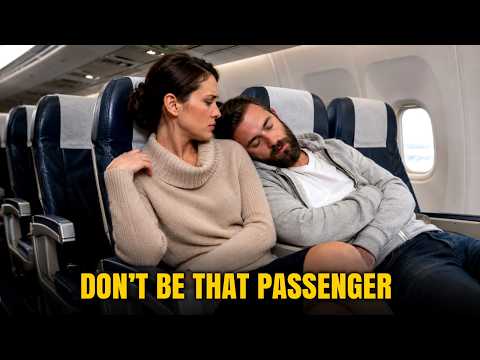
Managing noise levels on a plane is essential for a peaceful cabin experience. Loud conversations or phone calls disrupt everyone around you during the flight. Keep your voice at a low volume when speaking with companions nearby. Avoid playing audio from your device without using proper headphones at all times during the entire trip and flight.
Using Headphones Properly

Using headphones properly allows you to enjoy entertainment without bothering fellow passengers nearby on the plane. Choose over-ear or in-ear options that block sound effectively during the flight. Keep the volume low enough so you can still hear important safety announcements clearly. Wireless headphones reduce the clutter of cords on your tray table while traveling safely.
Navigating the overhead bin requires patience and consideration for other travelers. Store your luggage quickly to avoid blocking the aisle for others on the plane. Place heavier items under the seat in front of you for balance and stability. Ask for help if you cannot reach the bin safely during boarding.
- Store shoes and dirty clothes in a separate bag.
- Place heavier items under the seat in front of you.
- Do not block the aisle while searching for items.
- Ask for assistance if you cannot reach the bin.
- Keep your bag closed to prevent items from falling.
- Return the bin latch after storing your luggage.
Once you find your seat, organize your items efficiently without wasting time. Avoid taking up multiple bins with oversized bags that block the aisle. Leave space for passengers seated further away from the front of the plane. A little planning goes a long way toward a smooth departure.
Using the Lavatory Appropriately
Using the lavatory appropriately means keeping the facility clean for the next person. Always flush the toilet after use and wash your hands thoroughly with soap. Avoid leaving paper towels on the floor or counter at all times. Report any spills or messes to the flight attendants immediately.
Maintaining Cleanliness Inside
Maintaining cleanliness inside the lavatory is a shared responsibility among all passengers. Wipe down any splashes on the seat or sink before leaving the area. Dispose of sanitary products in the designated bins only. Replace the toilet paper roll if it is empty.
Choosing Meals Carefully

Choosing meals carefully can prevent unpleasant odors in the cabin. Avoid strong smelling foods like fish or garlic during the flight. Opt for mild options that do not disturb other passengers. Check the airline menu in advance if possible.
| Food Type | Smell Level | Best For | Avoid |
|---|---|---|---|
| Pasta | Low | Day flights | – |
| Fish | High | – | Day flights |
| Fruit | Low | All flights | – |
Bringing your own food is often the safest choice for a pleasant journey. Pack items that are easy to eat without creating a mess on your tray. Avoid crunchy snacks that crackle loudly during quiet hours. A little thoughtfulness goes a long way toward a smooth dining experience at altitude.
Respecting Personal Space
Respecting personal space is vital for a comfortable flight experience. Do not touch or lean on the person next to you at any time. Keep your legs within your own footprint area. Avoid spreading out into the aisle or middle seat.
Asking Before Touching
Asking before touching is a simple yet powerful rule for cabin etiquette. If you need to pass something, wait for a response first. Borrowing items like pillows or blankets requires explicit permission. Do not reach across someone without warning them first.
Frequently Asked Questions
What are basic airplane manners
Basic airplane manners include keeping your voice low and respecting shared spaces. Always use headphones when listening to music or watching videos. Avoid strong smelling foods that might disturb fellow passengers. Keep your belongings stowed properly to save space for your feet.
How to handle noisy neighbors
Handle noisy neighbors by politely asking them to lower their volume. Use a calm and friendly tone to avoid escalating the situation. If they continue, contact the flight attendant for assistance. Do not confront the person aggressively or make loud complaints.
Is reclining your seat allowed
Reclining your seat is generally allowed but must be done with caution. Always check if the passenger behind you is eating or using a laptop. Recline slowly to avoid hitting their seat suddenly. Consider limiting recline on shorter flights to give others more space.
What to do about bad smells
Address bad smells by opening the air vent above your seat slightly. Use a subtle personal fragrance or a mint to freshen the air. If the smell is severe, politely ask a flight attendant for help. Do not confront the source of the odor directly.
Can you bring your own alcohol
Bringing your own alcohol is usually prohibited on most commercial airlines. Check the specific carrier policy before attempting to consume your own beverages. Flight attendants may confiscate unauthorized containers if they are opened. Stick to the drinks served by the crew to avoid any trouble.
Practicing good airplane manners ensures a pleasant journey for everyone involved. Small acts of kindness create a harmonious atmosphere at high altitudes. Remember that fellow travelers deserve the same respect you expect from others. A little thoughtfulness goes a long way toward a smooth flight.