



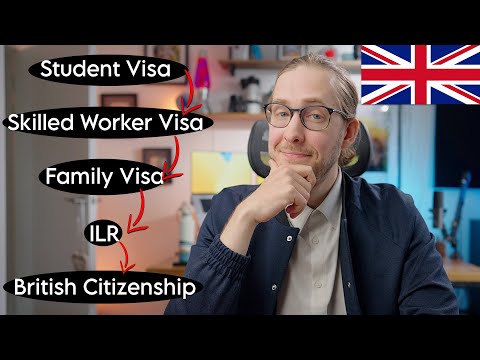
Acquiring a visa requires preparation and patience throughout the entire process. You must identify the correct visa type for your destination before applying elsewhere. Gather required documents like valid passports and recent photographs meeting specifications exactly. Submit applications early and pay fees carefully through approved channels. Follow embassy instructions precisely to avoid delays and rejection.
Determine Your Visa Type
You must carefully choose the right visa category before applying to any foreign country or territory. Tourist visas allow short visits while work permits enable legal employment abroad for extended periods. Student visas support education goals and family visas cover immediate relatives accompanying the main applicant closely. Research official embassy websites thoroughly to match your specific purpose with the correct classification accurately.
Each destination offers multiple visa types based on your travel reason and personal circumstances. Business visas cover conferences and meetings while transit visas allow brief stops in foreign airports. Some countries require medical visas for treatment or journalist permits for reporting purposes abroad. Check local immigration rules carefully before deciding which category fits your situation best. Consult official sources to ensure you understand every available option and its specific requirements.

Visa categories change frequently so verify current options with official government sources directly. Online portals often list all available types for your nationality and destination country. Consulting an immigration expert can clarify confusing categories and prevent costly mistakes during the process. Taking time to select the right type saves effort later in the application review stage. Always confirm eligibility criteria because they vary significantly between different nations and regions worldwide.
Gather Required Documents
Documentation forms the backbone of every successful visa application and thorough preparation for submission. You need a valid passport with blank pages and sufficient remaining validity for international travel. Recent photographs meeting specific size requirements must accompany your submission to the embassy office. Financial statements prove you can support yourself during your stay abroad without working illegally. Bring original documents plus copies since officials often request both for verification purposes.
Organizing Your Supporting Papers
Organize all paperwork in clear labeled folders before visiting the embassy for your appointment. Birth certificates and marriage certificates often require certified translations into the local language of that country. Employment letters and bank statements should be recent and fully stamped by issuing authorities. Keep digital copies of every document in case officials request extras during the review process. Label everything clearly to speed up inspection and reduce confusion among consular staff members.
Missing documents cause delays and sometimes outright rejections of your application during initial review. Check the specific checklist for your destination country before starting the process immediately. Some embassies require police clearance certificates while others ask for health insurance proof. Verify every requirement against official government websites rather than relying on third party advice. Prepare everything well in advance to avoid last minute scrambling before your scheduled interview date.
Complete the Application Form
Filling out forms accurately prevents rejections and speeds up processing times significantly for everyone. Provide truthful information matching your passport and supporting documents exactly without any alterations. Mistakes in names dates or travel history create unnecessary complications with immigration officers reviewing your files carefully. Double check every entry before submitting to avoid costly corrections and processing delays later. Take your time with each field since errors cause major setbacks in approval timelines.
Online applications have made the process faster but require careful attention to every detail. Print forms after completion to review them for errors or omissions before submission. Some countries ask for detailed travel itineraries and accommodation information upfront during the process. Be prepared to explain gaps in employment or previous visa refusals honestly to officials. Save all confirmation pages and reference numbers for future reference during the entire process.
Paper forms remain common in many regions so carry a black pen always. Read each question thoroughly because some fields have specific formatting requirements for answers. Signatures must match those on your passport and other identity documents provided earlier. Submit completed forms well before deadlines to account for unexpected postal delays or issues. Keep records of submission receipts and tracking numbers for your personal documentation files.
- Verify your passport validity covers a long period beyond your planned travel dates
- Fill every field completely leaving no blank spaces on the application form
- Attach recent passport sized photographs meeting exact size specifications from officials
- Prepare supporting documents in the exact order listed by consular staff
- Pay the correct fee using accepted payment methods only
- Keep copies of everything submitted for your personal records
Prepare for the Interview
Interviews determine whether officials approve your request to enter their country for travel purposes. Dress professionally and arrive early at the consulate or embassy office for your scheduled appointment. Bring all original documents plus copies for the interviewing officer to review carefully during the meeting. Answer questions clearly and concisely without volunteering unnecessary personal information during the entire conversation. Remain calm and focused throughout the entire interview process to show genuine intent.
Practicing Common Questions
Practice answering standard questions about your trip purpose and funding sources before arriving at the embassy. Officials want to confirm you will return home after your visit ends soon and naturally. Show ties to your home country through property ownership or stable employment records always. Remain calm honest and respectful throughout the entire conversation with staff members professionally. Prepare documents in order so you can present them quickly when requested during questioning.
Interviewers may ask about your job family ties and previous travel history in detail. Provide honest straightforward answers without exaggerating your financial status or future plans abroad. Nervousness is normal but practice helps you speak clearly and confidently under pressure. If you do not understand a question ask for clarification politely and calmly. Avoid arguing with officials even if you disagree with their assessment of your case.
Compare Visa Options
Comparing visa types helps you choose the option that best fits your specific needs. Some visas allow multiple entries while others restrict travel to single visits only within the country. Processing times vary from weeks to months depending on the destination country and season. Fees also differ based on your nationality and the purpose of your planned travel. Review all options carefully before deciding which category serves your situation best.

| Visa Type | Typical Length | Entries Allowed | Cost Level |
|---|---|---|---|
| Tourist | Short term | Single | Lower |
| Business | Medium term | Multiple | Moderate |
| Student | Long term | Multiple | Higher |
Official government websites provide the most accurate comparison of available visa options today. Some visas require proof of accommodation while others focus on financial stability and support. Employment visas often need sponsorship from a local employer or authorized agency abroad. Understanding these differences prevents wasted time and unnecessary application fees during the process. Always verify current requirements directly with embassy representatives before making any final decisions.
Consult immigration forums and official resources to gather unbiased comparisons of available types. Friends or family members may share outdated information that no longer applies today. Always verify current rules directly with embassy representatives before making important decisions. Taking time to compare options ensures you select the most appropriate category for your needs. Check multiple sources to build a complete picture of each available visa option.
Submit and Track Your Application
Submission methods vary by country so check whether you apply online or in person at the embassy. Some embassies require appointments while others accept walk in visits during business hours only. Pay attention to processing timelines and avoid contacting officials too frequently after you submit your application. Bring all required documents in the correct order to speed up the review process. Follow specific instructions carefully since each embassy has unique requirements for applications.
Monitoring Application Status
Track your application through official portal updates or email notifications from the embassy regularly. Processing times differ by season so expect variations during peak travel months and periods. If delays occur contact the consulate with your application reference number ready always. Avoid submitting duplicate requests which may confuse the system and slow important decisions. Keep records of all communication for future reference if problems arise later.
Successful applicants receive passports with visas affixed or stamped inside clearly. Check all details for accuracy including your name dates and visa type information. If rejected you will receive a letter explaining the reason for denial clearly. You may reapply after addressing the specific issues mentioned in that official notice. Learn from previous mistakes to strengthen future applications and improve approval chances significantly.
Frequently Asked Questions
How Long Does the Process Take?
Processing times depend on the destination country and visa type you choose carefully. Standard applications take several weeks for most travelers seeking entry. Expedited services may shorten this timeline but cost more money upfront. Apply early to avoid last minute stress before your planned departure date. Check official sources for current timelines since they vary by season.
Can I Work on a Tourist Visa?
Most countries prohibit paid work on tourist visas regardless of duration or purpose. Some allow unpaid volunteer work if you obtain proper authorization first from officials. Violating these terms leads to deportation and future entry bans permanently. Always verify work permissions before accepting any employment offers abroad today. Understand the distinction between volunteering and working to avoid serious legal trouble.
What Happens If My Application Gets Denied?
Rejection letters explain the specific reasons for denying your visa request clearly. You can correct errors and reapply after addressing those concerns directly with officials. Some denials result from insufficient funds or unclear travel purposes stated earlier. Consulting an immigration lawyer helps you understand options after a negative decision. Review the denial letter carefully to identify what went wrong in your application.
Do I Need Travel Insurance for a Visa?

Many countries require proof of medical coverage during your entire stay abroad. Insurance must meet minimum coverage amounts set by immigration authorities today. Some regions accept travel insurance while others demand specific local policies only. Purchase coverage early and keep documents accessible throughout your application process. Verify insurance requirements with the embassy before booking any flights or travel arrangements.
Can I Extend My Visa While Inside the Country?
Extension rules vary significantly between different countries and visa categories available today. Some nations allow extensions while others require you to leave and reapply abroad. Overstaying your permitted period results in fines and potential legal trouble immediately. Contact local immigration offices early if you need more time abroad legally. Understand the consequences of overstaying before making any decisions about your stay.
Following these steps carefully improves your chances of obtaining the right travel authorization today and successfully. Patience and thorough preparation remain essential throughout every stage of the application process for visas. Always verify current requirements with official sources before taking any action abroad or submitting forms. Your successful journey begins with understanding exactly what officials expect from applicants worldwide and new travelers.