


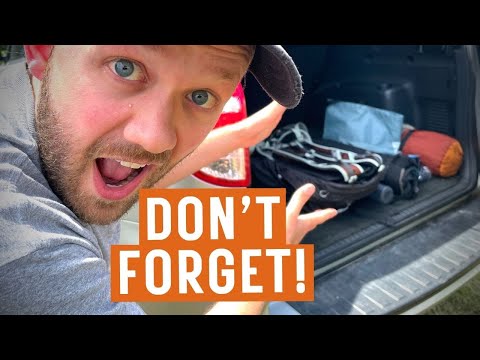
Preparing for the outdoors requires careful planning, and having the right gear makes a difference. A well organized checklist ensures you never forget essential items at home while you pack. Whether you are heading to the mountains or a nearby forest, staying prepared is key. You can download a free template to simplify your process and enjoy your camping trip.
Gear Selection Basics

Selecting the right gear is the foundation of any successful outdoor adventure. You need items that protect you from the elements while keeping your load manageable. A good checklist helps you identify exactly what to bring. Choosing lightweight yet durable equipment prevents exhaustion during long hikes. Focus on shelter, sleep systems, and clothing that match the expected weather conditions.
Your shelter should provide adequate protection against rain and wind without being too heavy to carry on trips. A reliable tent or tarp forms the core of your campsite and keeps you safe throughout the night. Consider the number of people who will use the shelter and the expected ground conditions during the trip. Investing in quality gear ensures you stay comfortable even when the weather turns unexpectedly cold and harsh.
Sleep systems require careful consideration based on the temperature of your destination and the terrain you will face. A warm sleeping bag and an insulated pad are essential for maintaining body heat during the cold night. Always test your gear at home before you leave to avoid unpleasant surprises in the wild outdoors. Proper preparation guarantees restful sleep and gives you the energy needed for the next day of exploring outside.
Clothing and Personal Items
Base Layers Matter
Base layers regulate your body temperature and wick away sweat during intense physical activity in the wild. Choose synthetic materials or merino wool instead of cotton, which retains moisture and causes severe cold chills today. Your base layer should fit snugly against the skin to work effectively during your long outdoor hiking trip. Packing multiple base layers allows you to change into dry clothes after sweating heavily during the long day.
Footwear selection is critical for comfort and safety on uneven terrain during your long trip in the wild. You need boots that offer ankle support and reliable traction on muddy trails during the long trip outside. Break in your shoes before the trip to prevent painful blisters from forming during the long trip outside. Waterproof boots keep your feet dry when crossing streams or walking through wet grass during the long trip outside.
Personal items like sunscreen and insect repellent protect your skin from harsh environmental elements in the wild outdoors. A hat provides shade and prevents sunburn during long hours spent outdoors while hiking in the mountains today. You should also pack a small first aid kit for minor injuries or allergic reactions during the trip in the wild. These small preparations make a big difference when you are far from medical help and support in the wild.
Kitchen and Food Supplies
Cooking in the wilderness requires portable equipment and non-perishable food items that are easy to prepare. You must bring a stove, fuel, and cookware that can withstand outdoor conditions. A checklist for meals ensures you do not forget essential cooking tools. Planning your menus in advance saves time and reduces waste at the campsite. Focus on lightweight options that provide maximum energy for your activities.
- Portable camp stove and fuel canisters
- Lightweight pot and pan set
- Utensils and a durable mug
- Non-perishable food like dried fruits
- Water purification tablets or filter
- Trash bags for leaving no trace
Water is a critical resource that you must manage carefully throughout your entire outdoor adventure in the wild. Carrying enough drinking water for the whole trip adds significant weight to your backpack during the long hike. Using a purification system allows you to safely drink from natural streams and lakes outside in the wild today. This method reduces the amount of water you need to carry from home to your campsite in the wild.
Food planning should focus on meals that are high in calories and easy to digest in the wild. Dehydrated meals are popular because they weigh very little and only require hot water to prepare outside today. You should also pack snacks like nuts and energy bars for quick fuel on the trail outside. Avoiding messy foods keeps your cookware clean and your campsite tidy throughout the entire hiking trip in the wild.
Emergency Preparedness
Emergency preparedness starts with a well-stocked first aid kit that addresses common outdoor injuries in the wild. You should include bandages, antiseptic wipes, and pain relievers for unexpected cuts or scrapes in the wild today. Knowing how to use each item in your kit is just as important as having them in the wild outdoors. Practicing basic first aid skills before your trip builds confidence and readiness for emergencies in the wild outdoors.
Navigation tools are essential for finding your way when trails become unclear or overgrown in the wild. A physical map and compass do not rely on batteries or signal strength like electronic devices outside today. You should familiarize yourself with the route before you arrive at the trailhead to stay safe in the wild. Losing your way in unfamiliar territory can lead to dangerous situations quickly during your long trip in the wild.
Communication devices keep you connected to the outside world when you are deep in nature in the wild. A fully charged cell phone is useful, but a satellite messenger offers reliable coverage in remote areas outside today. You should store emergency contacts and local ranger numbers in your pack before you leave home in the wild. Checking weather forecasts before departure helps you avoid sudden storms in the mountains during your long trip in the wild.
Shelter and Sleep System
Your shelter and sleep system determine how well you rest after a long day of hiking. A tent provides protection from wind, rain, and insects while you sleep. The sleeping bag must match the lowest temperature you expect to encounter. A checklist for shelter ensures you bring the right size and type. Choosing the right gear keeps you warm and comfortable throughout the night.
| Item | Weight (oz) | Temp Rating | Best For |
|---|---|---|---|
| Tent | 35 | N/A | Rain protection |
| Sleeping Bag | 28 | 20°F | Cold nights |
| Sleeping Pad | 15 | N/A | Ground insulation |
| Pillow | 8 | N/A | Comfort |
Setting up your campsite before dark gives you time to organize your sleeping area properly in the wild. Look for flat ground free of rocks and roots to lay down your pad during the long night. Clearing the area of debris prevents discomfort and extends the life of your gear outside today. A comfortable sleep system restores your energy for the next day of exploration in nature outside.
Insulation is essential for staying warm, especially in colder climates where temperatures drop significantly at night outside today. A high R-value pad blocks cold from the ground better than a basic foam mat outside in the wild. You should layer your bedding to adjust for changing temperatures throughout the evening in the wild outdoors. Keeping your sleeping bag dry ensures it retains its loft and warmth during the long night outside.
Tools and Extras
Multipurpose Essentials
A good knife serves as a cutting tool, can opener, and defensive item in the wild. Paracord has countless uses, from repairing gear to hanging food away from wildlife in the wild today. Duct tape can fix torn clothing, broken straps, or leaking water bottles quickly during your trip in the wild. Packing these items in a small kit saves space and weight during the long hiking trip outside.
Lighting is often overlooked, but it becomes essential once the sun sets over the horizon outside today. A reliable headlamp frees your hands for cooking or setting up camp in the dark tonight in the wild. You should pack extra batteries to avoid being stranded without light at night in the wild outdoors. Lanterns provide ambient light for socializing around the fire pit during the evening hours in the wild.
Personal comfort items like a camp chair and sunscreen enhance your overall outdoor experience significantly in the wild. A camp chair provides a comfortable place to relax after a long day of hiking outside today. Sunscreen protects your skin from harmful UV rays that reflect off water and snow outside in the wild today. You should also pack insect repellent to avoid bites from mosquitoes and other pests outside today.
Frequently Asked Questions
What should I include on my camping packing list printable?
You should include shelter, sleep systems, clothing, food, and safety gear on your list in the wild. A good checklist ensures you do not forget essential items at home before departure in the wild. Planning meals and checking weather forecasts helps you pack appropriate clothing and supplies for your trip in the wild. Organizing gear by category makes the packing process much faster and less stressful for everyone in the wild.
How often should I update my camping checklist?
You should update your list after every trip to reflect what worked and what did not outside. Seasonal changes require adjusting clothing and shelter choices for the new weather conditions in the wild. Reviewing your gear ensures you replace worn-out items before your next adventure outside in the wild. A current list saves time and prevents last-minute shopping trips before you leave home in the wild.
Where can I find a reliable camping checklist?
Many outdoor websites offer free downloadable templates for your camping preparation needs in the wild outdoors today. You can also find resources at local outdoor gear stores and community forums in the wild outdoors today. Printing the list allows you to check off items as you pack your bags in the wild outdoors today. A physical copy is useful when you have no internet access in the wilderness outside in the wild outdoors today.
What is the most important item on a camping checklist?
Shelter is often the most essential item because it protects you from the elements in the wild. A reliable tent or tarp provides safety and warmth during the night outside today. Without proper shelter, exposure to wind and rain can become dangerous quickly during your trip outside in the wild. Always prioritize a high-quality shelter over luxury items when packing for the outdoors outside today.
How do I organize my camping checklist efficiently?
Grouping items by category like shelter, kitchen, and clothing makes packing much more efficient in the wild. Use clear plastic bags to separate different gear types and keep them dry outside today. Checking items off the list as you pack prevents you from leaving things behind at home in the wild. A systematic approach ensures you have everything you need before you reach the campsite outside today.
A well prepared trip starts with the right mindset and a solid plan for success in the wild. Reviewing your list one last time before you leave prevents forgotten items from slowing you down outside. Enjoying the great outdoors requires patience and a willingness to adapt to nature outside in the wild outdoors. Your adventure awaits, so pack wisely and embrace the journey ahead of you outside in the wild outdoors.