


A gov state refers to the administrative framework of a regional government operating within a federal system. This entity handles local laws, public services, and budget allocation for its specific residents across the territory. Understanding this structure helps citizens interact effectively with their local representatives and access necessary community resources daily. Residents benefit from knowing how these institutions function when they need support or want to participate in civic affairs.
Understanding state government operations
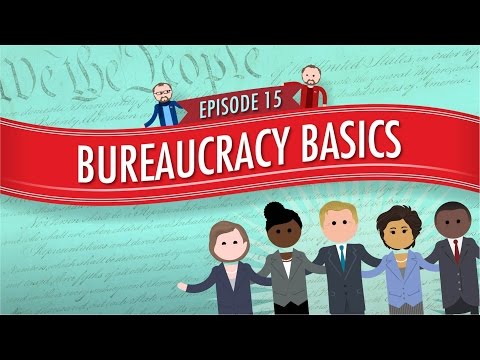
Understanding state government operations involves recognizing the three distinct branches that manage public affairs across the entire jurisdiction. The executive branch enforces laws, the legislative branch creates statutes, and the judicial branch interprets legal matters within the region. These divisions ensure a balance of power and prevent any single entity from gaining excessive control over the administrative system. This structure allows citizens to participate in governance through voting and public engagement with elected officials regularly.
Each branch operates independently but relies heavily on the others to function properly within the broader administrative system of government. The governor leads the executive team and appoints agency heads to manage daily operations across the entire territory efficiently and effectively. Legislators draft proposed bills that address local needs and concerns raised by constituents during regular legislative sessions every year. Judges review cases to ensure fairness and uphold the rule of law consistently throughout the jurisdiction without any fear.
Citizens can access public records and attend meetings to monitor government actions closely on a regular basis throughout the year. Transparency builds trust between the administration and the people it serves daily across the entire community and surrounding areas. Local newspapers and community groups often report on policy changes that affect neighborhoods directly and immediately every single week. Staying informed empowers residents to hold their elected officials accountable for their decisions and actions consistently over time.
Key differences between federal and state
Key differences between federal and state authorities exist in their jurisdictional scope and legal power across the nation today. Federal laws apply nationwide and handle matters like defense and foreign policy for the entire country without exception. State laws govern local matters within specific borders and regions, creating a distinct legal framework for residents. This dual system creates a layered approach to governance that impacts daily life for all residents living here now and always.
State level legislative processes
State level legislative processes involve elected representatives drafting and debating proposed bills in the capital building every single year. Committees review these proposals carefully before they reach the full chamber for a formal vote on the floor. If approved by the majority, the measure moves to the executive for final approval or a potential veto. This process ensures that local voices shape the laws governing their communities directly and fairly over a long period.
Residents must understand how their state government operates to exercise their civic duties effectively and responsibly every day. Attending town halls and contacting representatives allows citizens to voice their opinions on important issues that directly affect their lives. Voting in local elections determines who will make critical decisions affecting public schools and local infrastructure projects. Active participation strengthens the democratic foundation and ensures representation reflects community values accurately over a long period of time.
Core functions of state administration
Core functions of state administration include managing public education, transportation infrastructure, and healthcare services for the population today. The state also regulates commerce, maintains public safety through law enforcement, and administers social welfare programs across the entire jurisdiction. These responsibilities require careful planning and resource allocation to meet the diverse needs of residents effectively every single day. Local agencies coordinate these efforts to ensure smooth operations and continuous improvement for everyone involved in the community.
- Public education funding and school oversight
- Transportation infrastructure maintenance and development
- Healthcare regulation and public health initiatives
- Public safety and law enforcement coordination
- Social welfare program administration and distribution
- Environmental protection and natural resource management

Managing these diverse functions requires a large workforce dedicated to public service and community welfare throughout the entire region. Employees work in various departments to implement policies and deliver essential services to the public consistently every single day. Training programs help staff stay updated on new regulations and procedures throughout their careers and professional development. Efficient management ensures that taxpayer funds are used wisely and transparently without any waste or mismanagement.
Public trust depends on transparent operations and clear communication from state administrators to the communities they serve every single day. Regular audits ensure that programs operate efficiently and funds are spent according to established guidelines without any deviation. Civic education initiatives help residents understand their rights and the services available to them across the entire region. Strong accountability measures prevent misuse of public resources and promote ethical governance across the entire region.
Challenges facing modern state governments

Challenges facing modern state governments include balancing budget constraints while maintaining essential public services for residents across the territory. Officials must address aging infrastructure, rising healthcare costs, and evolving public safety needs simultaneously every single year. Economic fluctuations often force difficult decisions about funding priorities and resource distribution across different communities in need. These pressures test the resilience of administrative systems constantly and consistently over a long period of time.
Fiscal pressures and budget limitations
Fiscal pressures and budget limitations force administrators to prioritize spending carefully during each legislative session throughout the year. Revenue shortages may lead to cuts in education, transportation, or social services that impact vulnerable populations across the state. Policymakers must find innovative solutions to stretch limited funds without compromising core functions or public safety standards. Transparent reporting helps build public trust during difficult financial times and economic downturns for the community.
Technology offers tools to streamline operations and improve service delivery for citizens across the entire community today. Digital platforms allow residents to access government resources and complete transactions online easily and quickly every single day. Cybersecurity remains a critical concern as systems become more connected and data-driven continuously in the modern era. Investing in modern infrastructure protects sensitive information and enhances overall operational efficiency for everyone involved in the process.
Comparing state and local government roles
Comparing state and local government roles reveals distinct responsibilities that serve different levels of the population across the region. State authorities handle broader policy matters and regional coordination effectively for the entire jurisdiction and its people. Local entities focus on municipal services and neighborhood issues that directly impact daily life for all residents. Both tiers work together to provide comprehensive governance and support for all residents living within their boundaries.
| Level | Primary Focus | Example Function | Jurisdiction |
|---|---|---|---|
| State | Policy & Regulation | Education standards | Entire state |
| County | Infrastructure & Safety | Road maintenance | County area |
| City | Local Services | Waste management | City limits |
Understanding these distinctions helps citizens know which office to contact for specific issues or concerns that arise daily. State representatives address regional laws, while city councils handle local zoning and parking regulations within their territories. Clear boundaries prevent confusion and ensure residents receive appropriate assistance from the correct authority quickly and efficiently. This division of labor creates a more responsive and effective system of governance overall for everyone involved in the community.
Clear boundaries prevent confusion and ensure residents receive appropriate assistance from the correct authority quickly and efficiently. This division of labor creates a more responsive and effective system of governance overall for everyone involved in the community. Local governments often collaborate with state agencies to solve complex regional problems that exceed municipal capabilities and require higher level intervention. Such cooperation ensures that all residents receive the support they need regardless of their specific location within the state.
Future outlook for state governance
Future outlook for state governance will likely emphasize digital transformation and data-driven decision making across all departments throughout the region. Officials are exploring new methods to enhance citizen engagement and streamline bureaucratic processes for better outcomes every single year. Climate change and demographic shifts also require adaptive strategies to protect vulnerable communities and critical infrastructure effectively. These evolving trends demand continuous learning and flexibility from public administrators working in the field every single day.
Emerging policy trends and innovations
Emerging policy trends and innovations include expanding telehealth services and investing in renewable energy projects statewide today. Remote work policies are reshaping how governments manage public employment and office spaces across the entire territory every single day. Artificial intelligence tools assist with predictive analytics for traffic management and resource allocation efficiently across the state. Such advancements promise more efficient and responsive public administration moving forward into the future for everyone involved.
Preparing for these changes requires ongoing education and training for public sector employees at all levels throughout the region. Collaboration between different government tiers will be essential to address complex regional challenges effectively and efficiently every single year. Residents should stay informed about policy developments that might affect their daily lives and communities directly across the territory. Active civic participation remains the cornerstone of a healthy and functioning democratic society for future generations to come.
Frequently asked questions about state administration
What is the main role of a state government?
The main role of a state government is to implement local laws and manage public services within its borders for residents today. It oversees education, transportation, and public safety for citizens across the entire territory every single day without fail. State officials also handle budget allocation and regulate commerce to support the local economy effectively and efficiently. This framework ensures that community needs are met consistently and fairly over a long period of time.
How do state governments get their funding?
State governments get their funding primarily through taxes, federal grants, and fees collected from residents and businesses. Income taxes, sales taxes, and property taxes provide the largest share of revenue for most state administrations today. Federal grants support specific programs like healthcare and infrastructure projects across the region and local communities. Careful financial management ensures these funds are distributed responsibly to meet public needs and expectations across the state.
What is the difference between a governor and a mayor?
A governor leads the entire state executive branch and signs bills into law for the whole region. A mayor oversees a specific city or municipality and manages local services like police and waste collection. Governors have broader authority over state highways and education standards, while mayors focus on neighborhood issues and local ordinances. Both positions require strong leadership skills and a deep commitment to serving the public effectively every single day.
Can state laws override federal laws?
State laws cannot override federal laws because the United States Constitution establishes federal supremacy in matters of national concern. When state regulations conflict with federal statutes, the federal law generally prevails in court without any exception. However, states retain significant power over areas not explicitly granted to the national government by the Constitution. This balance maintains a structured federalist system of governance that protects individual rights and promotes regional autonomy.
How can citizens participate in state politics?
Citizens can participate in state politics by voting in elections and attending public town hall meetings regularly. Contacting elected representatives about local issues allows individuals to voice their concerns directly to policymakers. Volunteering for campaigns or joining community advocacy groups also helps shape public policy and government decisions. Active involvement ensures that government remains responsive to the people it serves and reflects their true needs.
Staying informed about how your local government operates empowers you to make a meaningful difference in your community every single day. Engaging with public officials and attending civic meetings strengthens the democratic process for everyone involved in the region. Your participation ensures that public resources are allocated wisely and that policies reflect the true needs of the population. Take action today to shape the future of your region and hold leaders accountable for their decisions and actions.