


Finding the best budget travel camera for your trip requires balancing price with portability and daily ease of use. You need a device that fits easily into a small backpack without adding excessive weight to your daily carry. Image quality remains essential for capturing vivid memories in dimly lit streets or bustling outdoor markets during vacation. A good camera should reliably withstand dusty environments and unexpected rain showers while you explore new destinations.
Finding the best budget travel camera for your trip
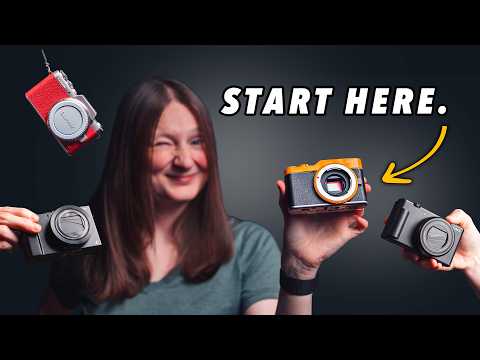
Finding the ideal compact camera for your trip requires balancing a low price with exceptional portability and ease of use. You need a device that fits easily into a small backpack without adding excessive weight to your daily carry on trips. Image quality remains essential for capturing vivid memories in dimly lit streets or bustling outdoor markets during your vacation. A good camera should reliably withstand dusty environments and unexpected rain showers while you explore new destinations around the world.
Compact mirrorless models often provide the ideal blend of size and performance for travelers who move quickly through cities. These interchangeable lens systems allow you to switch from wide angles to telephoto without carrying heavy professional gear. The electronic viewfinder displays exactly what the sensor sees, helping you compose shots accurately before pressing the shutter button. Built-in stabilization compensates for hand movement, ensuring sharp images even when shooting handheld in low light conditions.
Smartphone cameras have improved dramatically, yet dedicated devices still offer superior zoom capabilities and dynamic range in challenging scenes. A dedicated sensor captures more light, resulting in cleaner photos with less noise when you push the ISO settings high. Physical controls like dedicated dials provide faster access to exposure settings compared to tapping on a glass screen. Ultimately, a purpose built camera gives you more creative control over depth of field and motion blur effects.
Understanding sensor size and image quality
Understanding sensor size is vital because larger sensors gather more light and produce cleaner images in difficult lighting situations. Full frame sensors deliver excellent dynamic range, but crop sensors offer great value for travelers who want lighter gear. You must weigh the trade offs between image quality and the bulk of the camera body you carry daily. A larger sensor also creates a shallower depth of field, which helps isolate subjects from busy backgrounds effectively.
Choosing the right sensor for your needs
Choosing the right sensor for your needs depends on your primary shooting style and the environments you visit frequently. Micro four thirds sensors strike a perfect balance between size and performance for most casual photographers on the road. They provide enough surface area to render pleasing background blur without requiring heavy lenses that tire your neck. This sensor size also allows for faster autofocus tracking, which helps when photographing moving children or pets.
High resolution sensors allow you to crop images aggressively while retaining enough detail for large prints or digital displays. However, higher megapixel counts can sometimes introduce more noise if the sensor is small and pixels are packed too tightly together. You should prioritize sensor quality over raw megapixel numbers when selecting a camera for your upcoming trips. A good sensor ensures smooth color transitions and accurate skin tones in your travel photographs without post processing.
Evaluating lens options and zoom ranges
Evaluating lens options and zoom ranges determines the versatility of your travel photography setup and creative possibilities. A wide angle lens captures expansive scenes and tight interior spaces effectively without distorting architectural lines too much. Telephoto zoom lenses bring distant subjects closer without requiring you to physically approach them in crowded tourist areas. Variable aperture lenses offer cost savings while maintaining decent image quality across the most common focal lengths used.
- Wide angle zoom for scenic views
- Standard prime for street photography
- Telephoto zoom for wildlife and sports
- Macro lens for close up details
- Fisheye for creative artistic effects
- Compact pancake for easy carrying
Selecting the right lens depends heavily on your destination and the type of memories you wish to preserve. A versatile zoom lens reduces the need to carry multiple heavy lenses while hiking through remote mountain trails. Prime lenses offer superior sharpness and faster apertures for capturing stunning night sky images without distracting noise. Your lens choice ultimately shapes the entire visual story of your journey and the photos you take home.
Battery life and charging convenience
Battery life and charging convenience are important factors when selecting a camera for extended travel adventures and trips. Many modern cameras struggle to last a full day of heavy shooting without needing a recharge during travel. Carrying spare batteries adds weight, but it guarantees you never miss a spontaneous sunset or sunrise moment outdoors. USB charging offers a practical solution for long journeys where power outlets are scarce and hard to find.
Maximizing battery performance on the road
Maximizing battery performance on the road requires adjusting your camera settings to consume less power during active shooting. Turning off the rear screen when using the viewfinder significantly extends the overall shooting duration between necessary charges. Disabling Wi Fi and Bluetooth connections when not transferring files also saves substantial battery life over several days. Carrying a small external power bank provides a reliable backup source for recharging your camera during long excursions.
Fast charging technology has become standard in many newer camera models, allowing you to recharge quickly during brief stops. Some cameras even draw power directly from a laptop or portable charger via a standard USB cable connection. This feature eliminates the need for bulky proprietary charging bricks that consume valuable packing space in your luggage. You can focus entirely on exploring instead of searching for an outlet while traveling through unfamiliar cities.
Comparing portability and video capabilities
Comparing portability and video capabilities helps you determine which camera best suits your specific travel style and creative goals. Lighter cameras encourage you to carry them everywhere, increasing your chances of capturing unexpected photo opportunities throughout the day. Video features like 4K resolution and slow motion add versatility to your cinematic storytelling potential during your trips. You must balance weight against the features you actually use instead of paying for functions you rarely need.
| Feature | Benefit | Drawback | Best For |
|---|---|---|---|
| Compact Size | Easy to carry | Smaller sensor | City walks |
| 4K Video | High detail recording | Large file sizes | Travel vlogs |
| Optical Zoom | Close up shots | Heavy lens | Wildlife trips |
A heavier camera often provides better grip stability and ergonomic handling during long hiking excursions in rough terrain. Larger sensors generally produce cleaner images with smoother gradients in shadowy forest environments while you are shooting outdoors. You should consider how often you will actually record video versus taking still photographs during your daily travels. The ideal choice balances technical specs with physical comfort during extended walking tours and daily exploration.

Weather sealing protects your investment from sudden rain showers or accidental splashes while exploring coastal regions and rivers. Dust resistance ensures that internal components remain clean even when changing lenses in sandy desert locations during travel. You should always check the rating before purchasing a camera for harsh outdoor environments and unpredictable weather conditions. Proper protection extends the lifespan of your gear significantly, saving you money on expensive repairs over time.
Mastering basic camera settings for travel
Mastering basic camera settings for travel ensures you capture sharp images in rapidly changing lighting conditions outdoors. Shooting in aperture priority mode gives you direct control over depth of field and background blur effects effectively. Adjusting ISO settings appropriately prevents unwanted graininess while maintaining fast shutter speeds for moving subjects in motion. Learning these fundamentals builds confidence quickly, allowing you to focus on composing beautiful travel photographs and memories.
Using shutter speed for sharp photos
Using shutter speed for sharp photos requires understanding how motion affects your final image in different shooting scenarios. A faster shutter freezes action, making it ideal for sports, dancing, or running children during your upcoming vacation. Slower shutter speeds create intentional motion blur, which adds artistic energy to flowing water or moving crowds in cities. Experimenting with these settings helps you develop a unique photographic style that reflects your personal travel perspective.
White balance adjustments ensure that colors appear natural under various light sources, from warm tungsten bulbs to cool shade. Shooting in RAW format provides greater flexibility for correcting exposure and color temperature during post processing on your computer. Regularly cleaning your camera sensor prevents dark spots from appearing in your bright sky photographs during outdoor shoots. Consistent practice improves your technical skills rapidly, making you a more confident and capable travel photographer overall.
Frequently asked questions
What is the best compact camera for beginners?
The best compact camera for beginners offers intuitive controls and automatic modes that simplify the learning process significantly. You want a device that delivers sharp images without requiring extensive technical knowledge about exposure triangles and settings. Compact mirrorless models often fit perfectly into small backpacks while providing excellent image quality for casual photographers on trips. Starting with an affordable option lets you practice without financial pressure while you develop your artistic eye gradually.
How many megapixels do I need for travel photography?
You generally need between twelve and twenty megapixels for travel photography, as this range provides ample detail for large prints. Higher megapixel counts allow for aggressive cropping, but they are not strictly necessary for social media sharing or standard photo albums. Sensor size matters more than raw megapixel numbers when evaluating overall image quality and low light performance during travel. A sixteen megapixel sensor usually suffices perfectly for most casual photographers who want sharp images without excessive file sizes.
Is a waterproof camera necessary for travel?
A waterproof camera is not always necessary for travel, but it provides valuable protection near beaches, rivers, and rainy climates. Many modern cameras offer effective weather sealing that withstands light rain and splashes without requiring a dedicated waterproof housing. You should check the official rating before submerging any electronic device in water during your outdoor adventures and trips. Protective cases offer a lighter alternative for occasional moisture exposure while hiking through tropical forests or coastal regions.

How do I choose the right lens for my trips?
Choosing the right lens for your trips depends on your primary subject matter and the environments you plan to visit. A versatile zoom lens covers wide angle to telephoto focal lengths, reducing the need to carry multiple heavy lenses while hiking. Prime lenses offer superior sharpness and faster apertures for low light situations and artistic blur effects during travel. Your lens choice shapes the visual narrative of your journey and the memories you capture along the way.
What accessories are essential for travel photographers?
Essential accessories for travel photographers include a sturdy tripod, extra memory cards, and a reliable camera bag for protection. A microfiber cloth keeps your lens clean when shooting in dusty or sandy environments during outdoor excursions and trips. Extra batteries ensure you never miss a spontaneous moment when power outlets are unavailable in remote locations during travel. These simple additions greatly enhance your overall shooting experience and confidence while capturing stunning photographs on your journey.
Taking the time to research your options ensures you find a camera that matches your travel style and budget perfectly. You should prioritize features that align with your most common shooting scenarios rather than chasing every available specification on the market. A well chosen camera becomes a trusted companion that captures your adventures for years to come while exploring new places. Enjoy the process of discovering new perspectives through your lens and creating lasting memories from your daily travels.