


This service helps protect you abroad by providing vital support when dangers arise overseas. Professional teams monitor risks and coordinate emergency responses quickly to ensure your safety. You gain peace of mind knowing experts handle crises efficiently and keep you prepared. It acts as a reliable safeguard whenever you venture into unfamiliar territories.
Understanding global travel risks
Understanding global travel risks requires recognizing the diverse threats that exist across different regions and countries. Travelers must carefully assess political instability and health hazards before departing on their international journeys. Each destination presents unique challenges that demand careful preparation and heightened awareness from all visitors. Awareness forms the essential foundation of any effective safety strategy for international trips abroad.
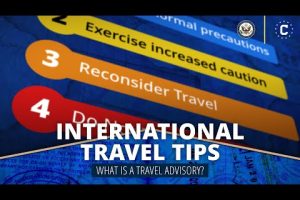
Government agencies issue detailed travel advisories that highlight specific dangers for various nations worldwide. These warnings help travelers avoid volatile areas prone to civil unrest or severe natural disasters. Checking official sources ensures you stay informed about potential threats before booking your flights. Proactive research significantly reduces the chances of encountering serious problems while traveling overseas.
Local consulates provide immediate help when citizens face legal trouble or medical emergencies abroad. Consular officers can assist with contacting family members and securing emergency funds if needed. They also offer guidance on local laws and cultural norms to prevent unintentional offenses. Relying on consular support adds a vital layer of protection during international trips.
Preparing for overseas emergencies
Preparing for overseas emergencies begins with creating a detailed plan before you leave your home. You should pack essential documents and share your itinerary with trusted family members abroad. Having a clear action plan ensures rapid response during unexpected crises while traveling abroad. Preparation minimizes panic and allows for calm decision making during difficult situations overseas.
Emergency contacts must be stored both digitally and on paper for easy access anywhere. Local embassies provide critical support when legal issues or accidents occur far from home. Travelers should research nearby hospitals and clinics before arriving at their final destination. Quick access to medical facilities can save lives in severe situations abroad every time.
Packing vital safety supplies
Packing vital safety supplies requires selecting items that address common travel health concerns abroad. First aid kits should include medications for pain, allergies, and severe stomach discomfort. A portable water filter prevents illness from contaminated sources in remote areas worldwide. These supplies form an important barrier against preventable health emergencies abroad every time.
Key security protocols for travelers
Key security protocols for travelers involve maintaining constant situational awareness in public spaces everywhere. Avoid displaying expensive electronics or jewelry that might attract unwanted attention from local thieves. Staying in well-lit areas after dark reduces the risk of becoming a target for criminals. Simple behavioral adjustments significantly lower your vulnerability to criminal activity while traveling abroad.
Secure your accommodations by checking locks and verifying the identity of visitors before opening doors. Use hotel safes to store passports and extra cash when not in use at night. Keep digital copies of important documents stored separately from the original paper copies safely. These measures protect your identity and financial assets during trips abroad effectively.
- Always carry a photocopy of your passport and visa documents.
- Register with your home country’s embassy upon arrival.
- Learn basic phrases in the local language for emergencies.
- Avoid sharing travel plans on public social media platforms.
- Keep emergency cash hidden in separate locations from your wallet.
- Use reputable transportation services instead of unmarked taxis.
Handling foreign healthcare systems
Handling foreign healthcare systems demands thorough research before you travel to any unfamiliar destination abroad. Medical standards vary significantly between countries, affecting the overall quality of care you might receive. Understanding local insurance policies prevents unexpected bills during medical emergencies abroad. Knowledge of available facilities ensures you receive appropriate treatment quickly when facing severe health issues.
Verify if your current health insurance covers treatments outside your home country before departure. Some policies require pre-approval for overseas hospital visits or specialized medical procedures abroad. Carry a letter from your doctor detailing existing conditions and prescribed medications safely. This documentation streamlines the admission process at foreign medical centers during unexpected emergencies.
Managing medication abroad
Managing medication abroad requires checking legal restrictions on your prescriptions in the destination country. Some drugs that are legal at home might be banned or strictly controlled elsewhere. Always pack medications in original containers with clear labels for customs officers during checks. Keep a copy of the prescription in your carry-on luggage for safety and convenience.
Comparing assistance service types

Comparing assistance service types helps travelers select the best option for their specific needs abroad. Different providers offer varying levels of coverage for medical evacuations and security consultations overseas. Some services focus on routine support, while others handle high-risk crisis management situations abroad. Evaluating these differences ensures you choose the right protection plan for your international travels.
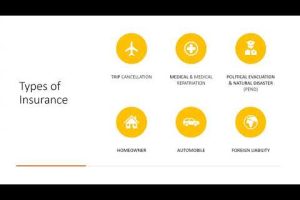
Private security firms often provide personalized protection details for high-profile individuals traveling to unstable regions. These teams offer close protection and secure transport options in dangerous environments abroad today. On the other hand, standard travel insurance covers basic medical expenses and trip cancellations. Understanding the scope of each service prevents gaps in coverage during international trips abroad.
| Service Type | Primary Benefit | Typical Cost | Best For |
|---|---|---|---|
| Medical Evacuation | Emergency transport | Varies | Remote areas |
| Security Detail | Personal protection | Varies | High-risk zones |
| Travel Insurance | Trip cancellation | Moderate | General travel |
Evaluating these differences ensures you choose the right protection plan for your international travels abroad. You must review policy exclusions carefully before signing any contracts with service providers overseas. Reading the fine print prevents surprise denials when you need urgent support abroad. Proper research guarantees comprehensive coverage for your entire journey across multiple countries worldwide.
Responding to security incidents
Responding to security incidents requires immediate action and calm decision making during crises abroad. Contact your assistance provider first to report the situation and request help immediately. Follow their instructions carefully to ensure your safety and the safety of others nearby. Quick reporting allows professionals to coordinate rescue operations effectively and efficiently abroad today.

Document everything that happens during an incident using your phone or a physical notebook. Take photos of injuries, damages, or threatening individuals if it is safe to do so. This evidence supports insurance claims and legal proceedings later on in the process. Detailed records strengthen your case when seeking compensation or assistance from service providers.
Evacuation procedures explained
Evacuation procedures explained include knowing the nearest safe exit routes in unfamiliar buildings abroad. Listen to local authorities and follow their guidance during natural disasters or civil unrest. Keep your emergency bag packed with essentials for a sudden departure from the area. Practicing these steps beforehand ensures a smoother response when time is limited abroad.
Frequently asked questions
What does overseas security help cover?
Overseas security help covers medical emergencies, evacuations, and legal support during international trips abroad. Providers coordinate with local hospitals and embassies to ensure travelers receive proper care quickly. Assistance teams handle logistics so you can focus on recovery instead of making arrangements. This coverage acts as a safety net abroad when problems arise unexpectedly during travel.
How do I find reliable global security services?
You find reliable global security services by checking reviews and verifying credentials thoroughly online. Look for companies with experience handling situations similar to your specific travel destination. Consulting travel forums provides insights from other travelers who used these services previously. Always confirm the provider operates legally in the region you plan to visit safely.
When should I contact my embassy during a crisis?
You should contact your embassy during a crisis when local authorities cannot assist you directly. Embassies help replace lost passports and provide lists of local lawyers or doctors nearby. They also monitor dangerous situations and issue warnings to citizens in affected areas abroad. Reaching out early ensures you receive timely support during difficult circumstances overseas.
Is travel security assistance necessary for short trips?
Travel security assistance is necessary for short trips because emergencies do not wait for long vacations. Even brief stays can involve accidents, theft, or sudden political unrest in foreign countries. Having support available ensures you handle unexpected events without added stress or confusion. Preparation protects you regardless of trip duration or destination when traveling abroad.
What documents are essential for security abroad?
Essential documents for security abroad include your passport, visa, and travel insurance policy copies. Keep digital backups stored securely in cloud storage for easy access during emergencies. Carry physical copies separately from the originals in case of theft or loss abroad. These documents verify your identity and expedite assistance processes when facing unexpected issues.
Staying informed and prepared transforms potentially dangerous situations into manageable challenges while traveling abroad. Trusting professional guidance ensures you enjoy your journey with confidence and peace of mind. Safe travels require constant vigilance and smart planning before stepping onto any airplane overseas. Your well-being remains the top priority throughout every international adventure you undertake abroad.